ALA (Alpha-Linolenic Acid)
Overview
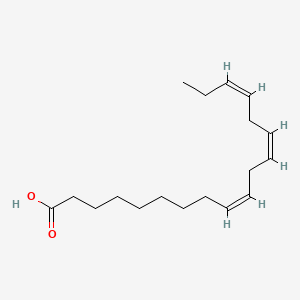
ALA (alpha-linolenic acid) is an essential omega-3 fatty acid that serves as a precursor to DHA and EPA. However, conversion to DHA/EPA in adults is limited, with conversion rates typically less than 5% in most adults. Food sources include flax seeds, chia seeds, and walnuts. While ALA is essential, direct DHA/EPA intake from fish, fish roe, or algal oil is strongly recommended for optimal brain health, as conversion from ALA is insufficient to meet brain-specific omega-3 requirements.
Recipes
5 recipes containing this substance
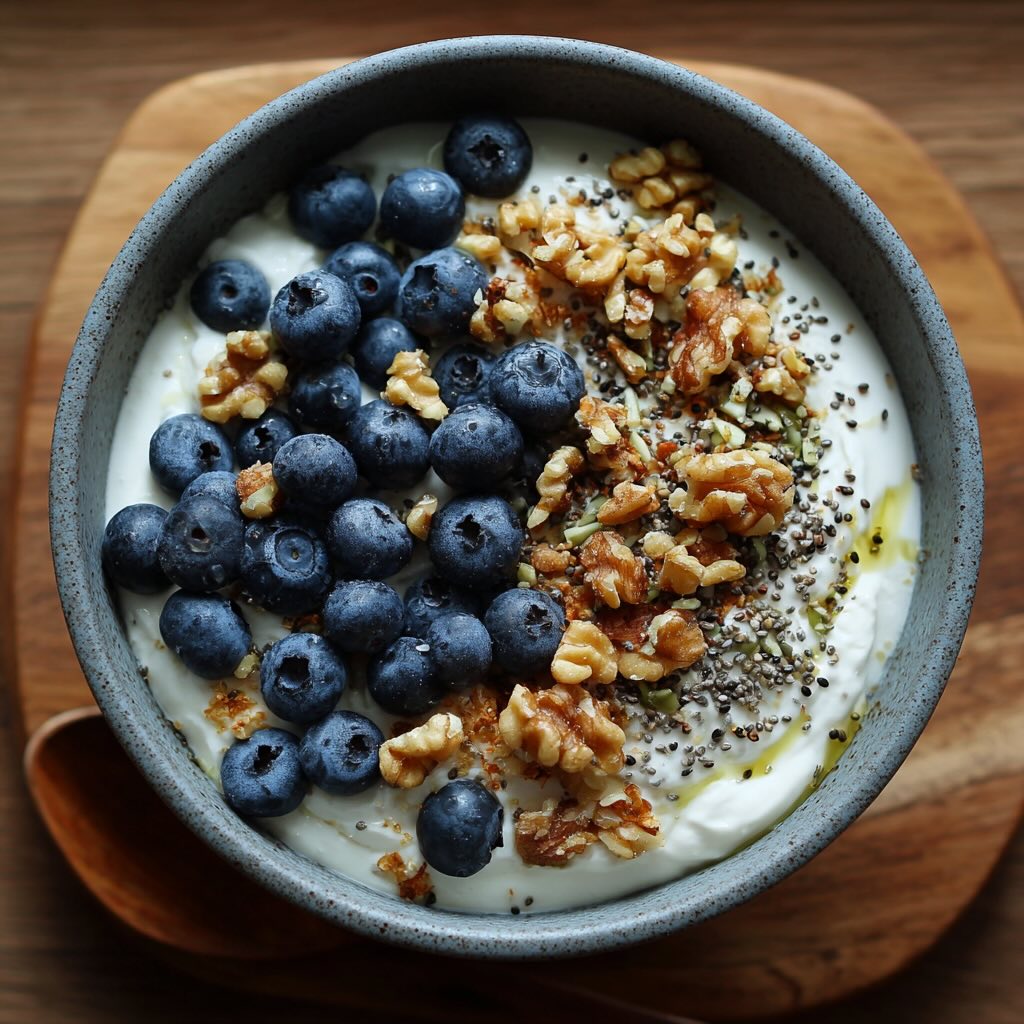
Ginger Yogurt and Blueberries
A polyphenol-rich breakfast bowl with high fibre, combining ginger, omega-3 nuts, blueberry polyphenols, and probiotic yogurt.
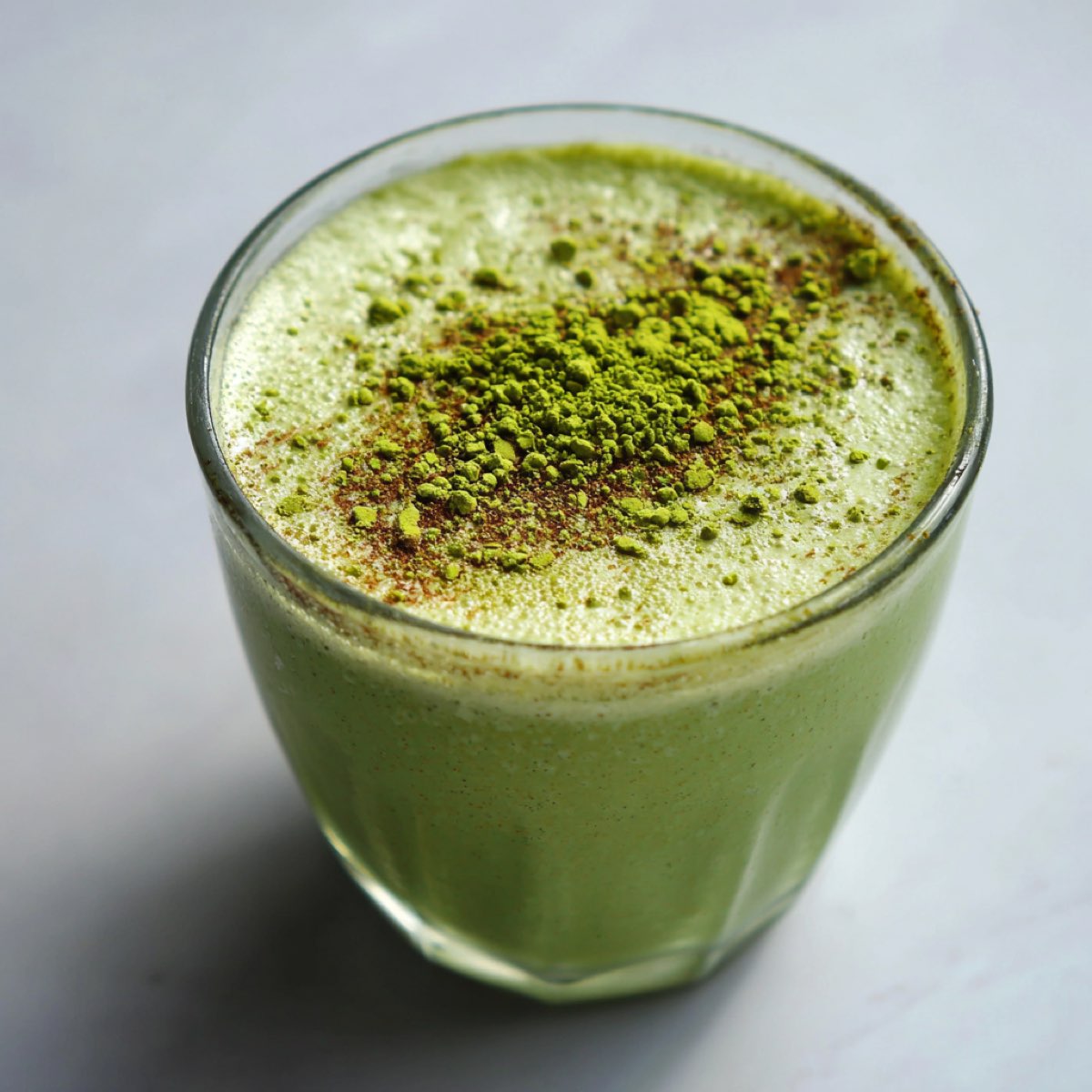
Matcha Mitochondria Smoothie
Mitochondrial energising smoothie rich in polyphenols, magnesium, and antioxidants
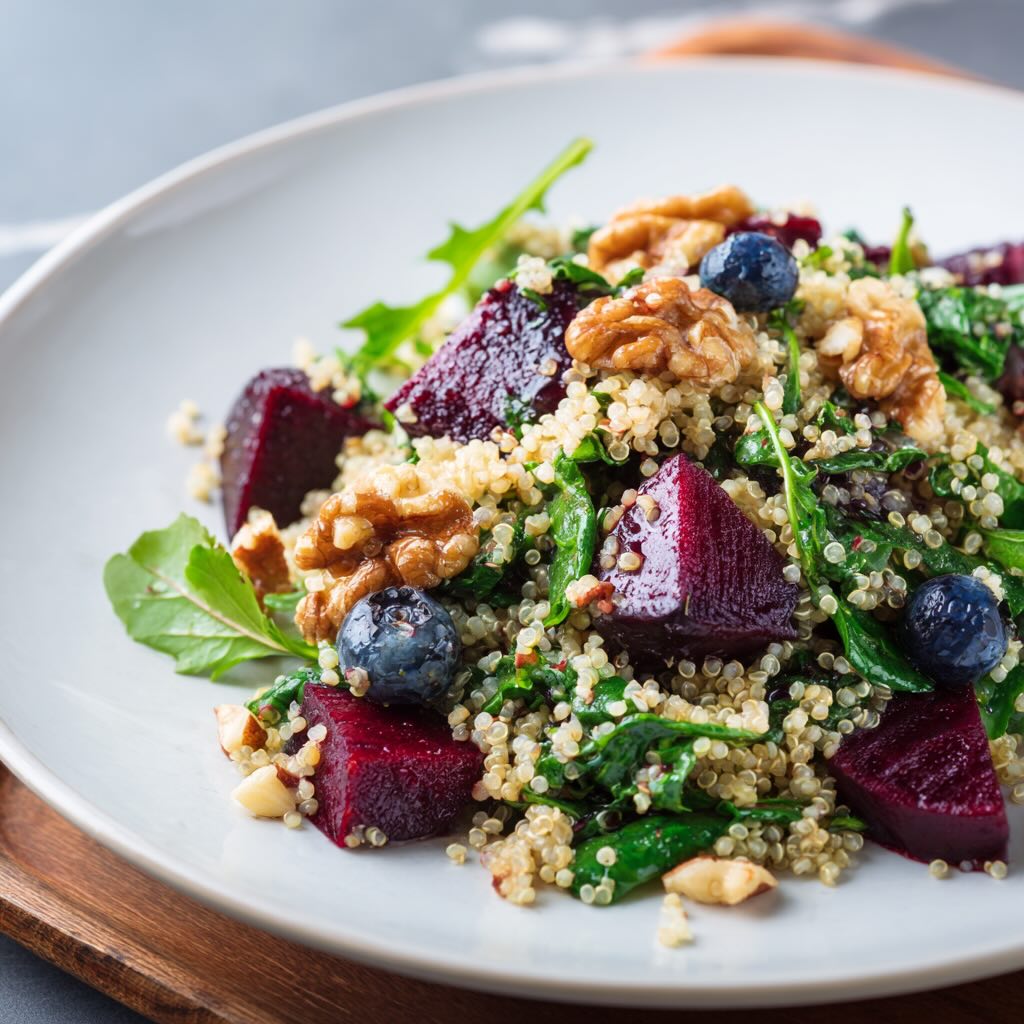
Mitochondrial Power Bowl
A nitrate-rich, polyphenol-dense bowl combining leafy greens, beets, berries, nuts, and early harvest olive oil
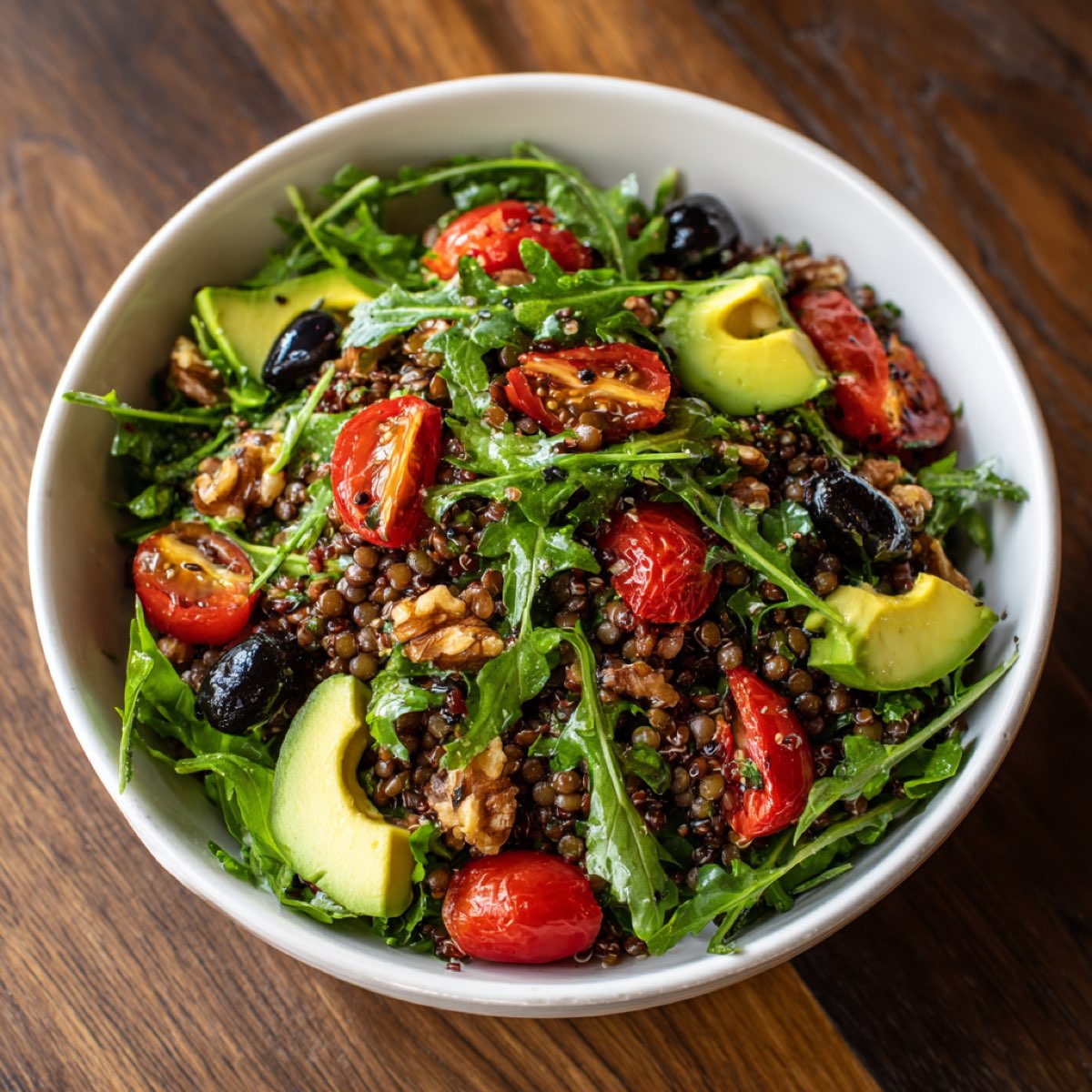
Rocket Lentil Avocado Midday Salad (Gut-Supporting)
Polyphenol-rich midday salad with quinoa or lentils, vegetables, avocado, and early harvest olive oil
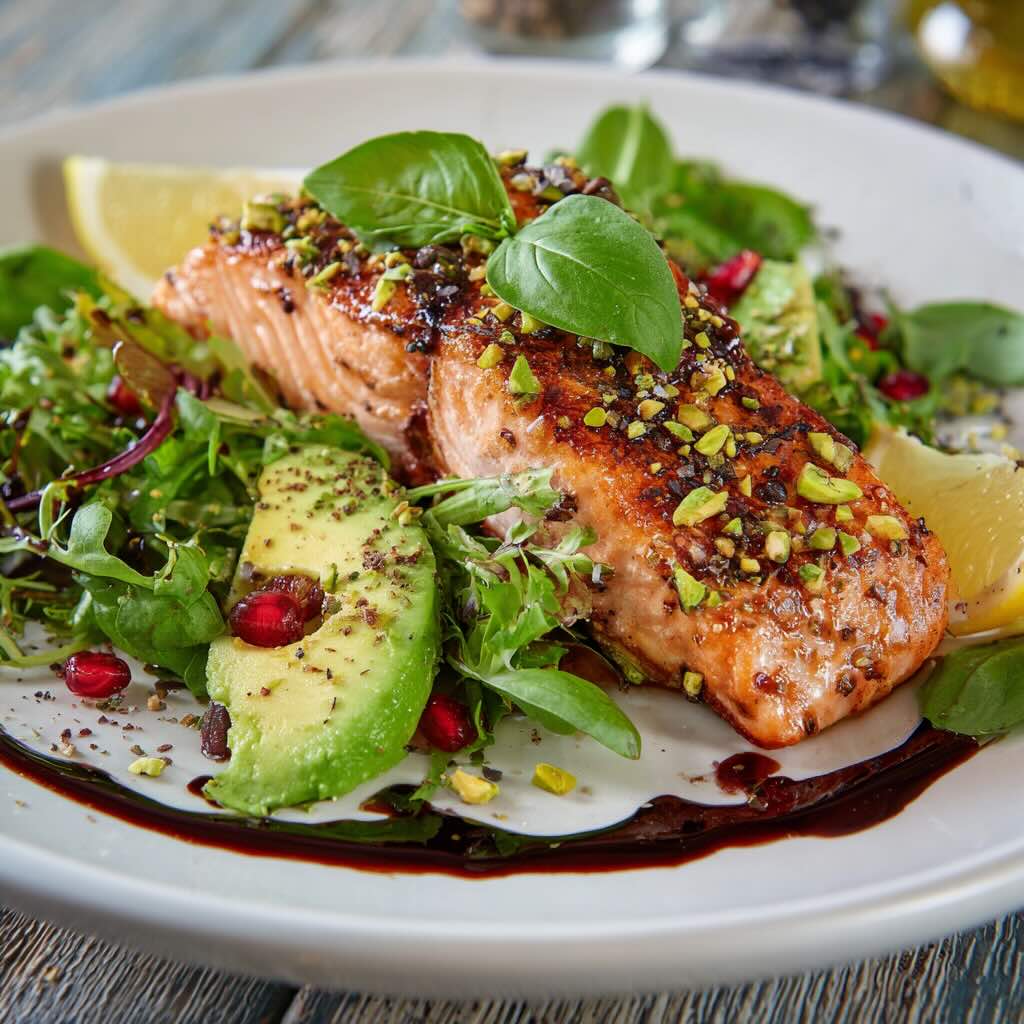
Salmon Bowl-pistachio-cacao-nibs
A Mediterranean-style bowl combining salmon, avocado, pistachios, cacao nibs, and early harvest olive oil — rich in omega-3 fats, polyphenols, and fibre.
Foods
4 foods containing this substance
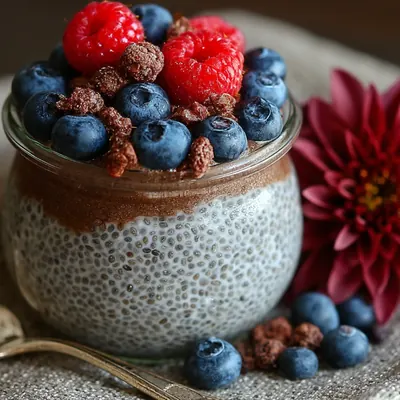
Chia Seeds
ALA omega-3, fiber, and minerals

Flax Seeds
ALA omega-3 and soluble fiber source

Mankai (Duckweed)
Functional plant food with iron and B12 for vegan nutrient gaps

Walnuts
ALA omega-3, polyphenols, and ellagitannins for urolithin A production
Biological Mechanisms and Implications
References
- ALA is an essential omega-3 fatty acid with limited conversion to DHA/EPA in adults; food sources include flax, chia, and walnuts
- Conversion from ALA is less than 5% in most adults; direct DHA/EPA strongly recommended for optimal brain health