Romaine Lettuce
Overview
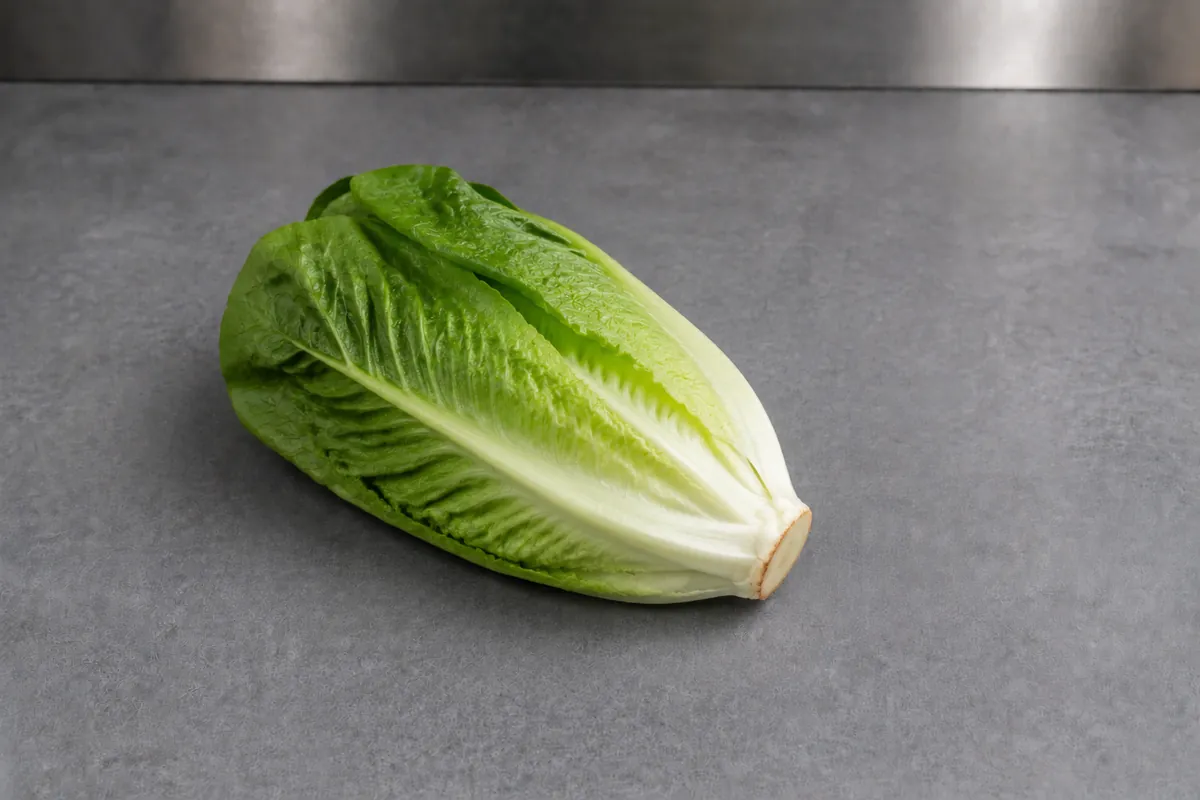
Romaine (cos) lettuce is a crisp salad leaf used as a volume base in mixed salads. It contributes vitamin K, folate, and carotenoids including beta-carotene and lutein, at very low energy density. The composition table reports lutein and zeaxanthin together. A separated assay of raw romaine reported trans-lutein and 0 µg trans-zeaxanthin per 100 g [3].
Within a BRAIN-aligned pattern it is a culinary-support salad vegetable rather than a distinctive neurological food. Its practical role is to carry dressings and other leaves, and to supply those fat-soluble carotenoids when eaten with dietary fat [1,2].
Food Context
Synergies
- Serve with a fat-containing dressing, avocado, or olive oil so carotenoids from the salad are absorbed more effectively [1].
Preparation
- Use raw, washed and thoroughly dried leaves so dressings coat rather than dilute.
- Do not treat romaine as interchangeable with iceberg or mixed-leaf bags; those foods differ in carotenoid and folate density.
Recipes
1 recipe containing this food
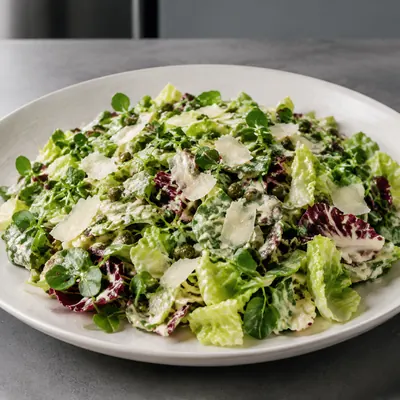
Mixed-Leaf Tahini Caesar Salad
A Caesar-style mixed-leaf salad with a tahini, anchovy, caper and Parmesan dressing, using extra virgin olive oil retained from oil-packed capers.
Nutrient Tables (per 100 g)
Selected food and preparation: Lettuce, cos or romaine, raw. per 100 g edible portion.
Core nutrients
| Nutrient | Amount per 100 g | % reference intake per 100 g |
|---|---|---|
| Energy | 17 kcal | — |
| Protein | 1.2 g | — |
| Total fat | 0.3 g | — |
| Saturated fat | 0 g | — |
| Carbohydrates | 3.3 g | — |
| Sugars | 1.2 g | — |
| Fibre | 2.1 g | — |
Key vitamins and minerals
Vitamins and minerals supplying at least 10% of an adult reference intake per 100 g, derived from the composition panel.
| Nutrient | Amount per 100 g | % reference intake per 100 g |
|---|---|---|
| Folate | 136 µg | 34% |
| Vitamin A | 436 µg | 48.4% |
| Vitamin K | 102.5 µg | 85.4% |
Bioactive compounds
Content applies to the food and preparation identified in the source notes.
| Compound / class | Amount per 100 g | Notes |
|---|---|---|
| Beta-Carotene | 5226 µg | — |
Substances
6 substances in this food
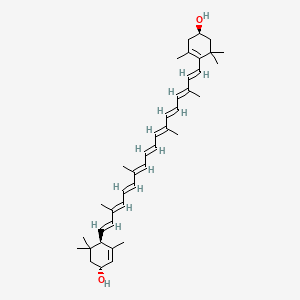
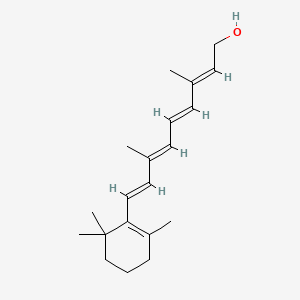
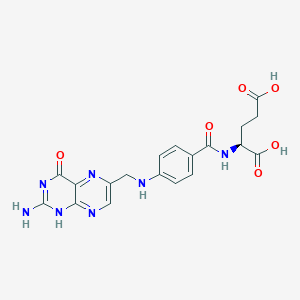
Vitamin A (Retinoids; β-Carotene precursor)
USDA FoodData Central reports vitamin A as retinol activity equivalents in Lettuce, cos or romaine, raw.
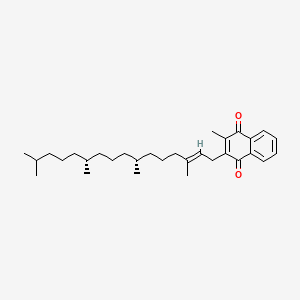
Vitamin B9 (Folate)
USDA FoodData Central reports folate in Lettuce, cos or romaine, raw. The recorded analyte is folate.
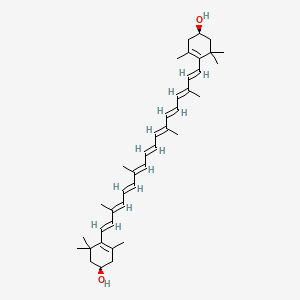
Vitamin K (Phylloquinone)
USDA FoodData Central reports vitamin K in Lettuce, cos or romaine, raw. This vitamin K record is not a vitamin K2 measurement.
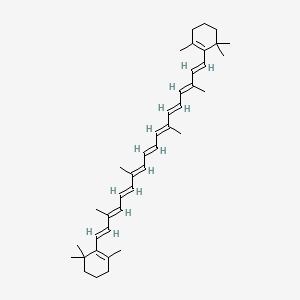
Zeaxanthin
Zeaxanthin is individually documented in romaine; a separate fresh-food amount is unavailable.
References
[1] Unlu et al. (2005). Carotenoid Absorption from Salad and Salsa by Humans Is Enhanced by the Addition of Avocado or Avocado Oil. Adding avocado fruit or avocado oil to salad increased human absorption of α-carotene, β-carotene and lutein versus the same salad without added lipid.
[2] Johnson (2014). Role of lutein and zeaxanthin in visual and cognitive function throughout the lifespan. This review is not a romaine feeding trial. The table on this page reports lutein and zeaxanthin as one sum.
[3] Eisenhauer et al. (2017). Lutein and Zeaxanthin—Food Sources, Bioavailability and Dietary Variety in Age-Related Macular Degeneration Protection. Table 4 reports 3,824 µg trans-lutein and 0 µg trans-zeaxanthin per 100 g in the raw romaine measured by Perry et al. (2009).
[5] Perry et al. (2009), values reproduced in Eisenhauer et al. (2017) Table 4
[6] Hwang et al. (2025), Identification and quantification of carotenoid in agricultural crops in Korea