Watercress

Overview
Watercress is a peppery brassica salad leaf providing vitamin C, vitamin K, and beta-carotene. The composition table reports lutein and zeaxanthin together; a separate zeaxanthin amount is not established. It also forms isothiocyanates from glucosinolates when the leaf is chewed or otherwise disrupted [1].
Within a BRAIN-aligned pattern it adds crucifer diversity to mixed salads rather than acting as a concentrated isothiocyanate supplement. Eating it raw preserves plant myrosinase; boiling reduces conversion [1]. Dietary fat in the same meal supports carotenoid absorption [2].
Food Context
Synergies
- Pair with a fat-containing dressing so carotenoids from the leaf are absorbed more effectively [2].
- Include among other brassicas when the aim is glucosinolate diversity rather than a single crucifer.
Preparation
- Use raw in salads, removing only coarse stems. Uncooked watercress yields substantially more isothiocyanate uptake than watercress boiled long enough to deactivate myrosinase [1].
- Do not treat watercress as interchangeable with lettuce; it is a brassica, not a chicory or cos leaf.
Recipes
1 recipe containing this food
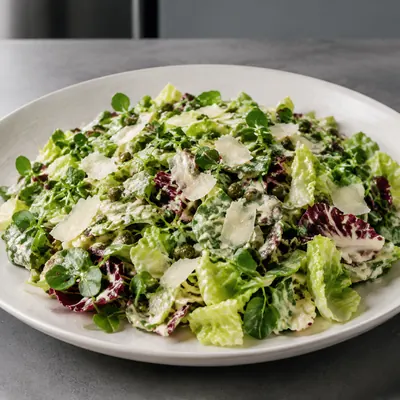
Mixed-Leaf Tahini Caesar Salad
A Caesar-style mixed-leaf salad with a tahini, anchovy, caper and Parmesan dressing, using extra virgin olive oil retained from oil-packed capers.
Nutrient Tables (per 100 g)
Selected food and preparation: Watercress, raw. per 100 g edible portion.
Core nutrients
| Nutrient | Amount per 100 g | % reference intake per 100 g |
|---|---|---|
| Energy | 11 kcal | — |
| Protein | 2.3 g | — |
| Total fat | 0.1 g | — |
| Saturated fat | 0 g | — |
| Carbohydrates | 1.3 g | — |
| Sugars | 0.2 g | — |
| Fibre | 0.5 g | — |
Key vitamins and minerals
Vitamins and minerals supplying at least 10% of an adult reference intake per 100 g, derived from the composition panel.
| Nutrient | Amount per 100 g | % reference intake per 100 g |
|---|---|---|
| Manganese | 0.2 mg | 10.6% |
| Calcium | 120 mg | 12% |
| Vitamin C | 43 mg | 47.8% |
| Vitamin A | 160 µg | 17.8% |
| Vitamin K | 250 µg | 208.3% |
Bioactive compounds
Content applies to the food and preparation identified in the source notes.
| Compound / class | Amount per 100 g | Notes |
|---|---|---|
| Beta-Carotene | 1914 µg | — |
Substances
5 substances in this food
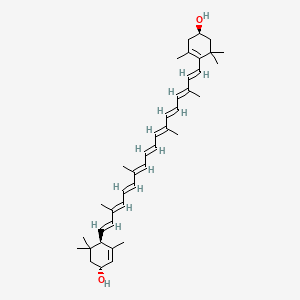
Lutein
Kopsell et al. (2007) identified lutein in watercress shoot tissue (nasturtium officinale). A separate amount for this page’s preparation is not established.
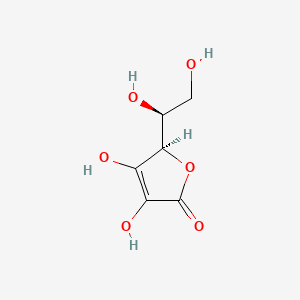
Vitamin C (Ascorbate)
USDA FoodData Central reports vitamin C in Watercress, raw.
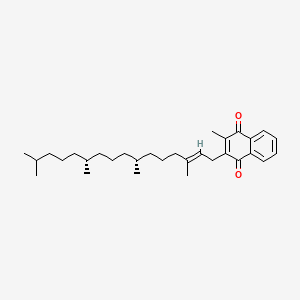
Vitamin K (Phylloquinone)
USDA FoodData Central reports vitamin K in Watercress, raw. This vitamin K record is not a vitamin K2 measurement.
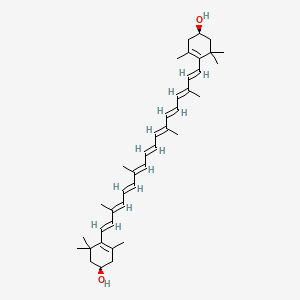
Zeaxanthin
Kopsell et al. (2007) identified zeaxanthin in watercress shoot tissue (nasturtium officinale). A separate amount for this page’s preparation is not established.
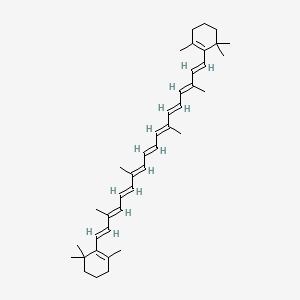
β-Carotene
USDA FoodData Central reports beta-carotene in Watercress, raw.
References
[1] Getahun & Chung (1999). Conversion of glucosinolates to isothiocyanates in humans after ingestion of cooked watercress. After cooked watercress with deactivated myrosinase, urinary isothiocyanate conjugates accounted for 1.2–7.3% of ingested glucosinolates; after uncooked watercress, excretion ranged from 17.2–77.7% of ingested isothiocyanates.
[2] Unlu et al. (2005). Carotenoid Absorption from Salad and Salsa by Humans Is Enhanced by the Addition of Avocado or Avocado Oil. Adding avocado fruit or avocado oil to salad increased human absorption of α-carotene, β-carotene and lutein versus the same salad without added lipid.