Anchovies
Overview
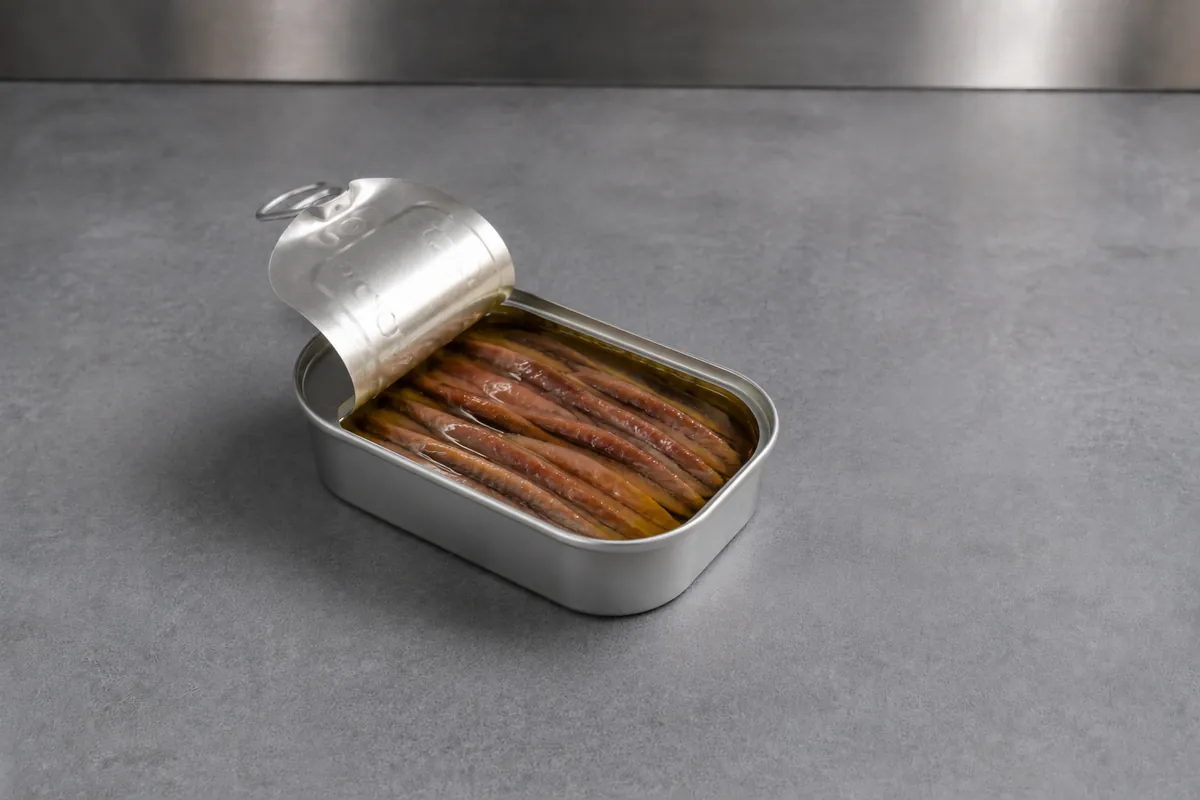
Anchovies are a small oily fish most often eaten as canned, drained fillets. That form provides long-chain omega-3 fatty acids EPA and DHA, a complete protein, niacin, selenium, and useful calcium, together with a high sodium load from curing [1].
Within a BRAIN-aligned pattern they are a compact, shelf-stable marine omega-3 seasoning and protein rather than a large fillet portion. Typical salad or dressing amounts are small; the acids still match the drained canned record rather than an assumed fresh fish [1,2].
Food Context
Sourcing
- This page is canned European anchovy in oil, drained. Fresh, salted, or undrained packed fish are different foods.
- Drain the packing oil before weighing. Prefer fillets packed in olive oil over refined oils where that choice exists.
- Sodium is high. Use as a seasoning-scale ingredient unless the dish is built around a larger portion.
Preparation
- Mash or blend drained fillets into dressings rather than frying them in additional oil.
- Taste the dish before adding salt; anchovies, capers and cheese often already season it.
Essential Amino Acid Profile
This food provides a complete essential amino acid profile typical of animal proteins.
Recipes
1 recipe containing this food
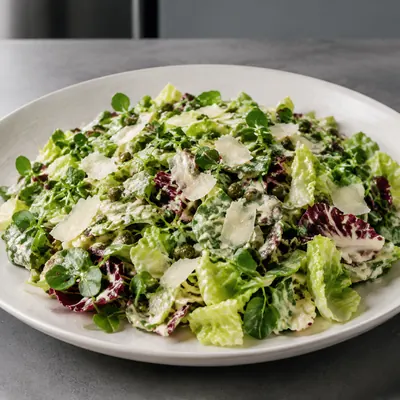
Mixed-Leaf Tahini Caesar Salad
A Caesar-style mixed-leaf salad with a tahini, anchovy, caper and Parmesan dressing, using extra virgin olive oil retained from oil-packed capers.
Nutrient Tables (per 100 g)
Selected food and preparation: Fish, anchovy, european, canned in oil, drained solids. per 100 g edible portion.
Core nutrients
| Nutrient | Amount per 100 g | % reference intake per 100 g |
|---|---|---|
| Energy | 210 kcal | — |
| Protein | 28.9 g | — |
| Total fat | 9.7 g | — |
| Saturated fat | 2.2 g | — |
Key vitamins and minerals
Vitamins and minerals supplying at least 10% of an adult reference intake per 100 g, derived from the composition panel.
| Nutrient | Amount per 100 g | % reference intake per 100 g |
|---|---|---|
| Iron | 4.6 mg | 25.7% |
| Zinc | 2.4 mg | 22.2% |
| Magnesium | 69 mg | 16.4% |
| Phosphorus | 252 mg | 36% |
| Selenium | 68.1 µg | 123.8% |
| Calcium | 232 mg | 23.2% |
| Potassium | 544 mg | 16% |
| Copper | 0.3 mg | 37.7% |
| Choline | 85 mg | 15.5% |
| Vitamin B12 | 0.9 µg | 36.7% |
| Vitamin B6 | 0.2 mg | 15.6% |
| Vitamin B2 | 0.4 mg | 27.9% |
| Vitamin B3 | 19.9 mg | 124.4% |
| Vitamin B5 | 0.9 mg | 18.2% |
| Vitamin D | 1.7 µg | 11.3% |
| Vitamin E | 3.3 mg | 22.2% |
| Vitamin K | 12.1 µg | 10.1% |
Bioactive compounds
Content applies to the food and preparation identified in the source notes.
| Compound / class | Amount per 100 g | Notes |
|---|---|---|
| EPA | 763 mg | — |
| DHA | 1292 mg | — |
Substances
7 substances in this food
Calcium
USDA FoodData Central reports calcium in Fish, anchovy, european, canned in oil, drained solids.
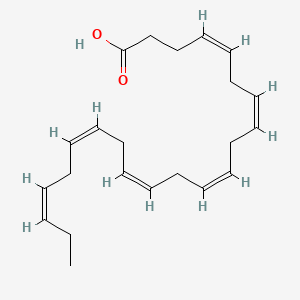
DHA (Docosahexaenoic Acid)
USDA FoodData Central reports DHA in Fish, anchovy, european, canned in oil, drained solids.
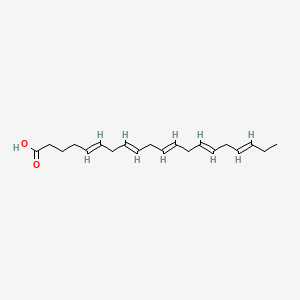
EPA (Eicosapentaenoic Acid)
USDA FoodData Central reports EPA in Fish, anchovy, european, canned in oil, drained solids.
Selenium
USDA FoodData Central reports selenium in Fish, anchovy, european, canned in oil, drained solids.
Sodium
USDA FoodData Central reports sodium in Fish, anchovy, european, canned in oil, drained solids.
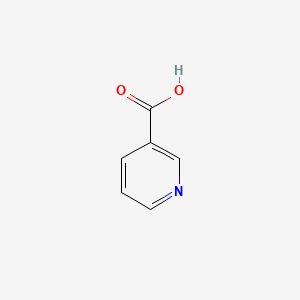
Vitamin B3 (Niacin)
USDA FoodData Central reports vitamin B3 in Fish, anchovy, european, canned in oil, drained solids.

Omega-3 Fatty Acids
USDA FoodData Central reports EPA, DHA, total omega-3 in Fish, anchovy, european, canned in oil, drained solids. This class link does not treat a combined total as EPA, DHA or ALA.
References
[1] McNamara & Carlson (2006). Role of omega-3 fatty acids in brain development and function: potential implications for the pathogenesis and prevention of psychopathology. Labelled EPA/DHA neurobiology context: this review is not an anchovy feeding study; canned drained anchovy composition includes EPA and DHA as reported in the table.
[2] Stonehouse et al. (2013). DHA supplementation improved both memory and reaction time in healthy young adults: a randomized controlled trial. Labelled DHA context: this is a DHA-capsule trial in healthy young adults, not an anchovy feeding trial.