Vitamin K (Phylloquinone)
Overview
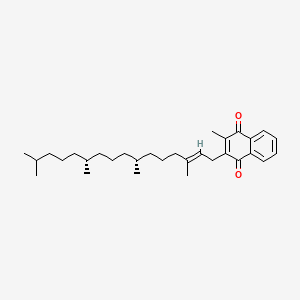
Vitamin K in plant foods is primarily phylloquinone (vitamin K1), a fat-soluble naphthoquinone concentrated in green leaves. USDA FoodData Central reports phylloquinone, not menaquinones. Fermented foods and some animal products that supply vitamin K2 are recorded separately on the Vitamin K2 page.
Phylloquinone is the standard compositional analyte for leafy vegetables, herbs, and many plant oils. Presence in a food table means the selected USDA record reported phylloquinone — it is not a K2 claim and not a BRS mapping by itself.
Recipes
8 recipes containing this substance
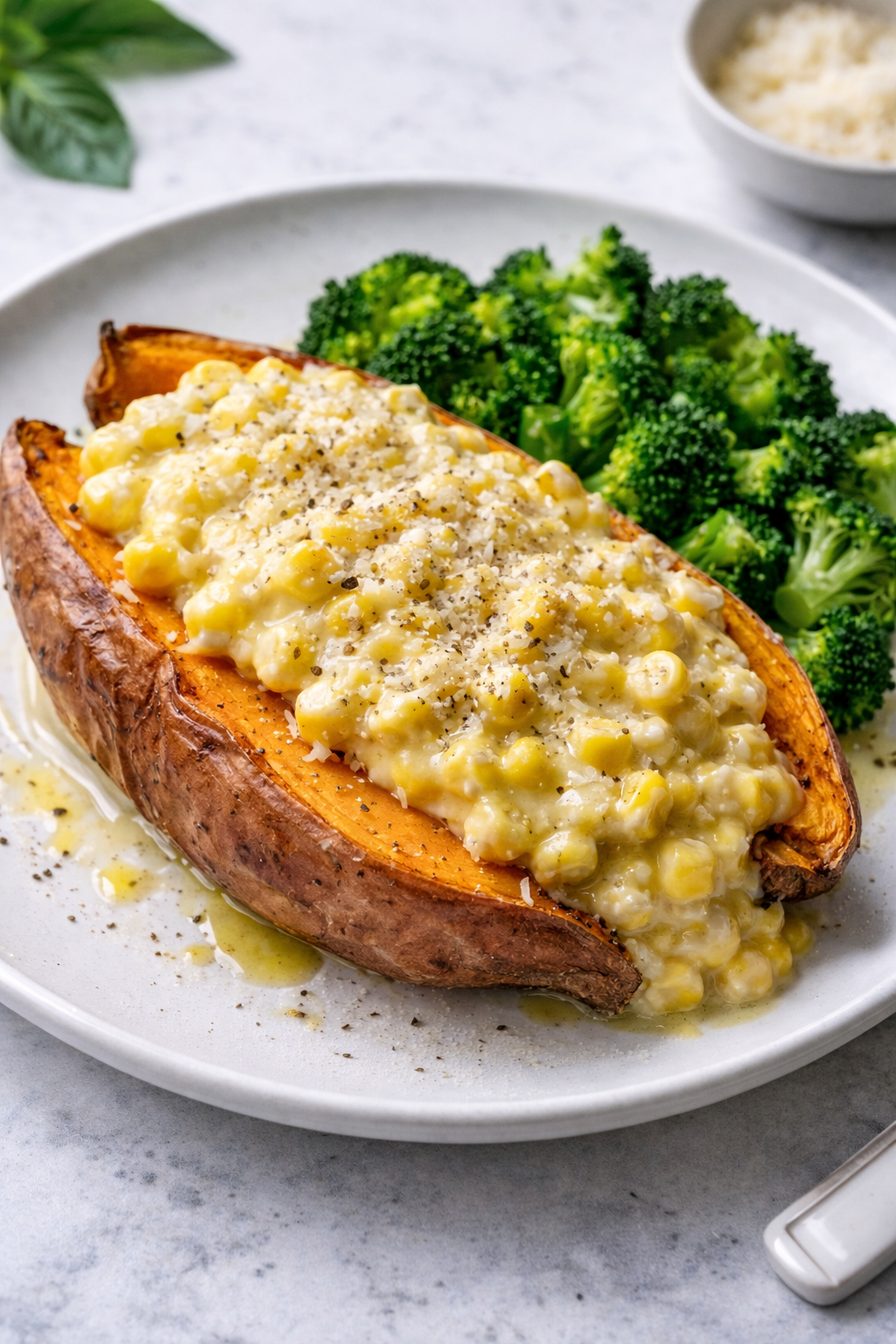
Creamed Corn on Roasted Sweet Potato
Roasted sweet potato with creamed corn and a mixed lipid phase to enhance carotenoid absorption; served with broccoli for fibre and glucosinolates.
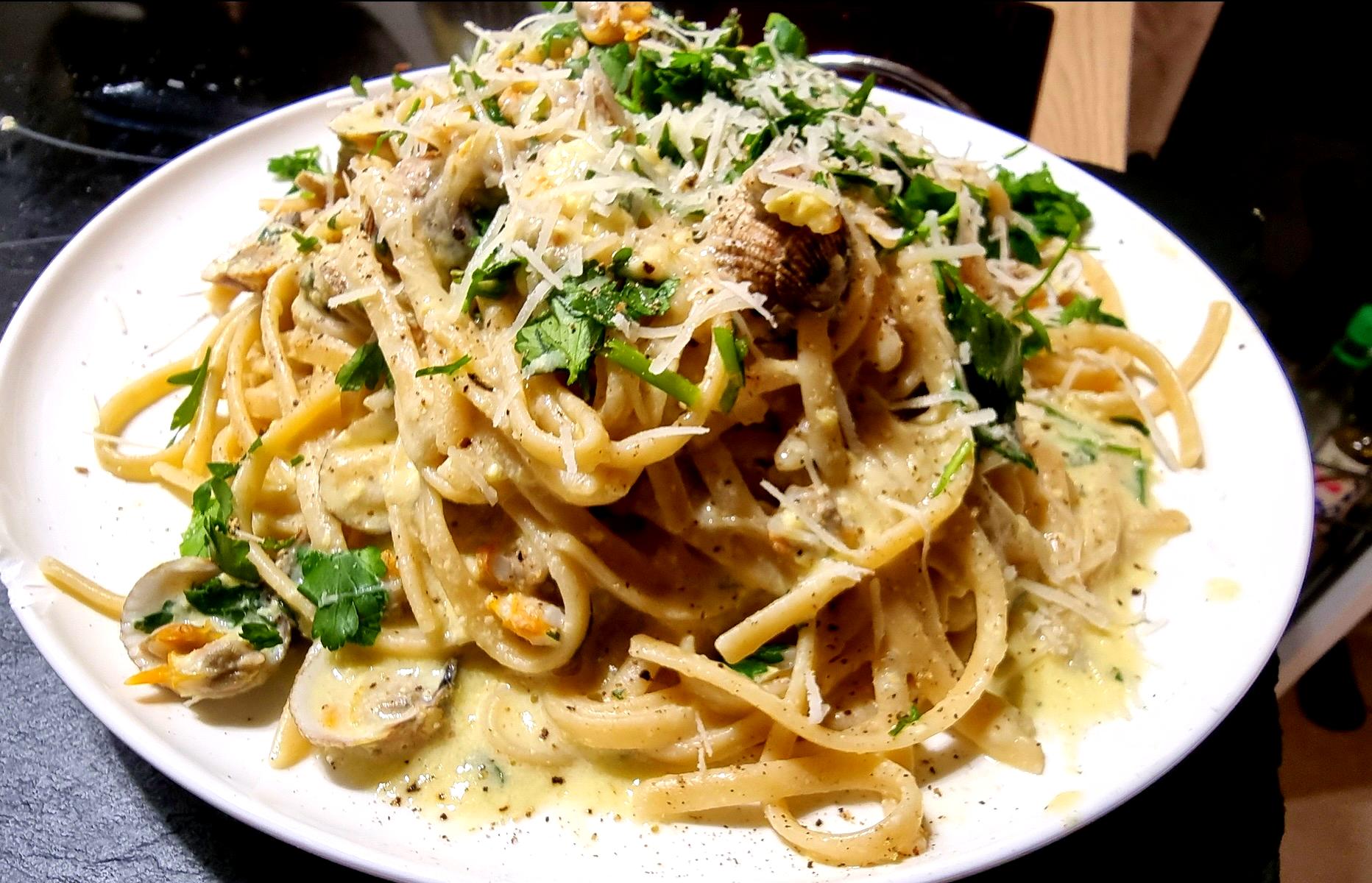
Linguine alle vongole mantecate (Linguine with cockles in a silky emulsified sauce)
Whole-wheat linguine with cockles in a silky emulsified sauce; Italian emulsification technique without cream, supporting taurine, B12, and choline intake.
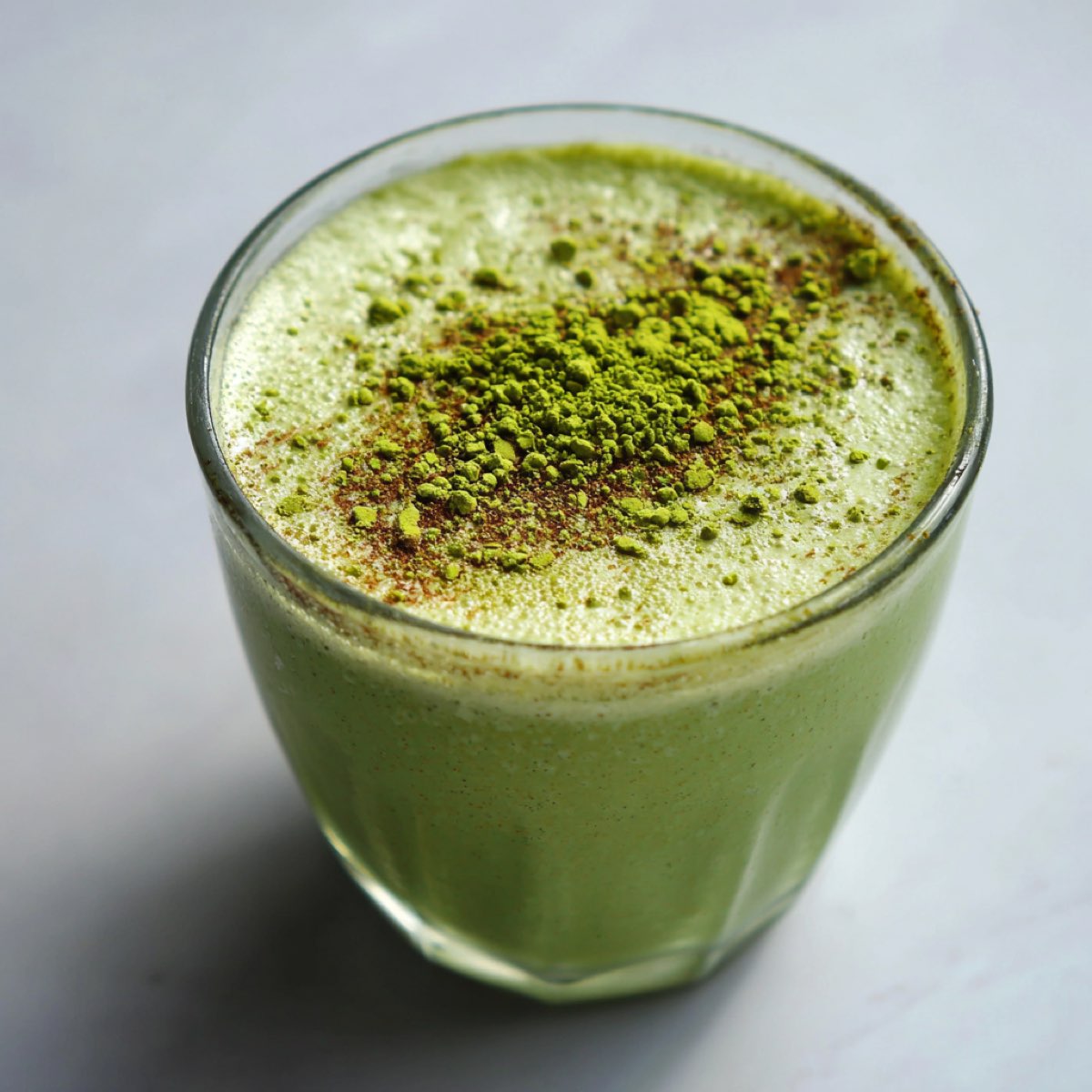
Matcha Mitochondria Smoothie
Mitochondrial energising smoothie rich in polyphenols, magnesium, and antioxidants
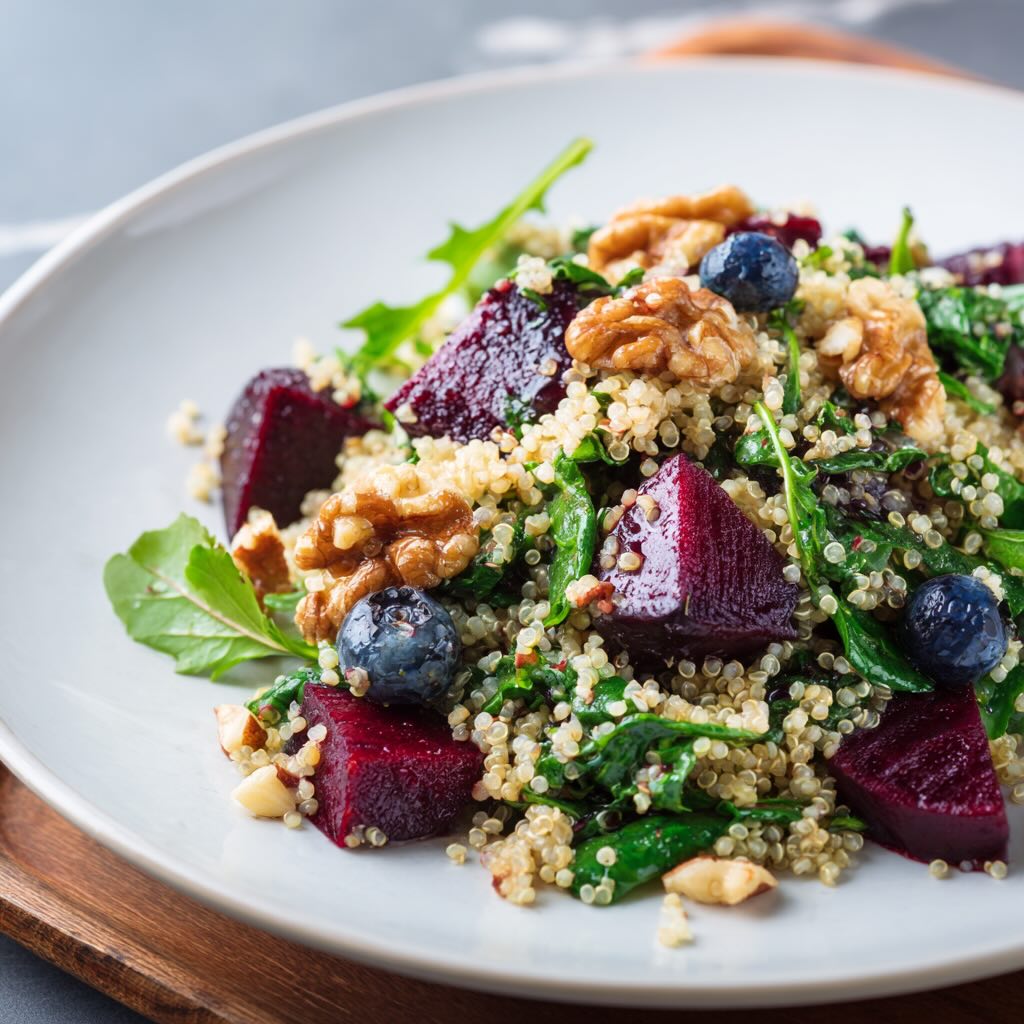
Mitochondrial Power Bowl
A nitrate-rich, polyphenol-dense bowl combining leafy greens, beets, berries, nuts, and early harvest olive oil
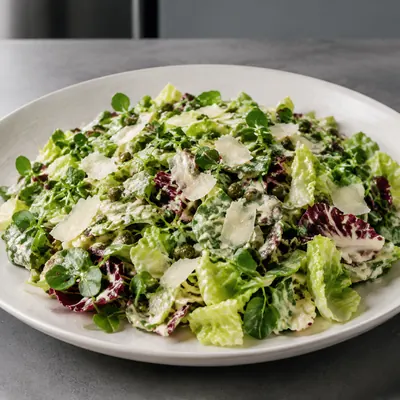
Mixed-Leaf Tahini Caesar Salad
A Caesar-style mixed-leaf salad with a tahini, anchovy, caper and Parmesan dressing, using extra virgin olive oil retained from oil-packed capers.
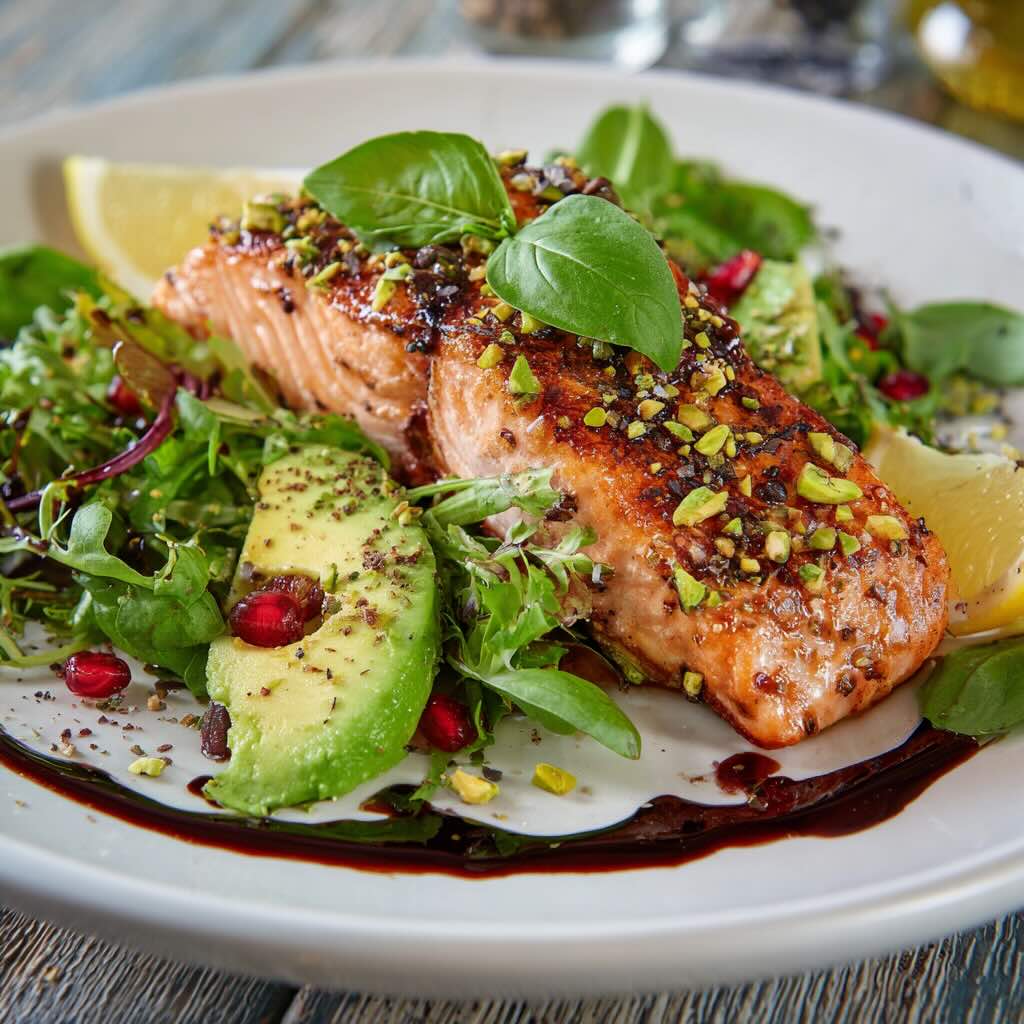
Salmon Bowl-pistachio-cacao-nibs
A Mediterranean-style bowl combining salmon, avocado, pistachios, cacao nibs, and early harvest olive oil — rich in omega-3 fats, polyphenols, and fibre.
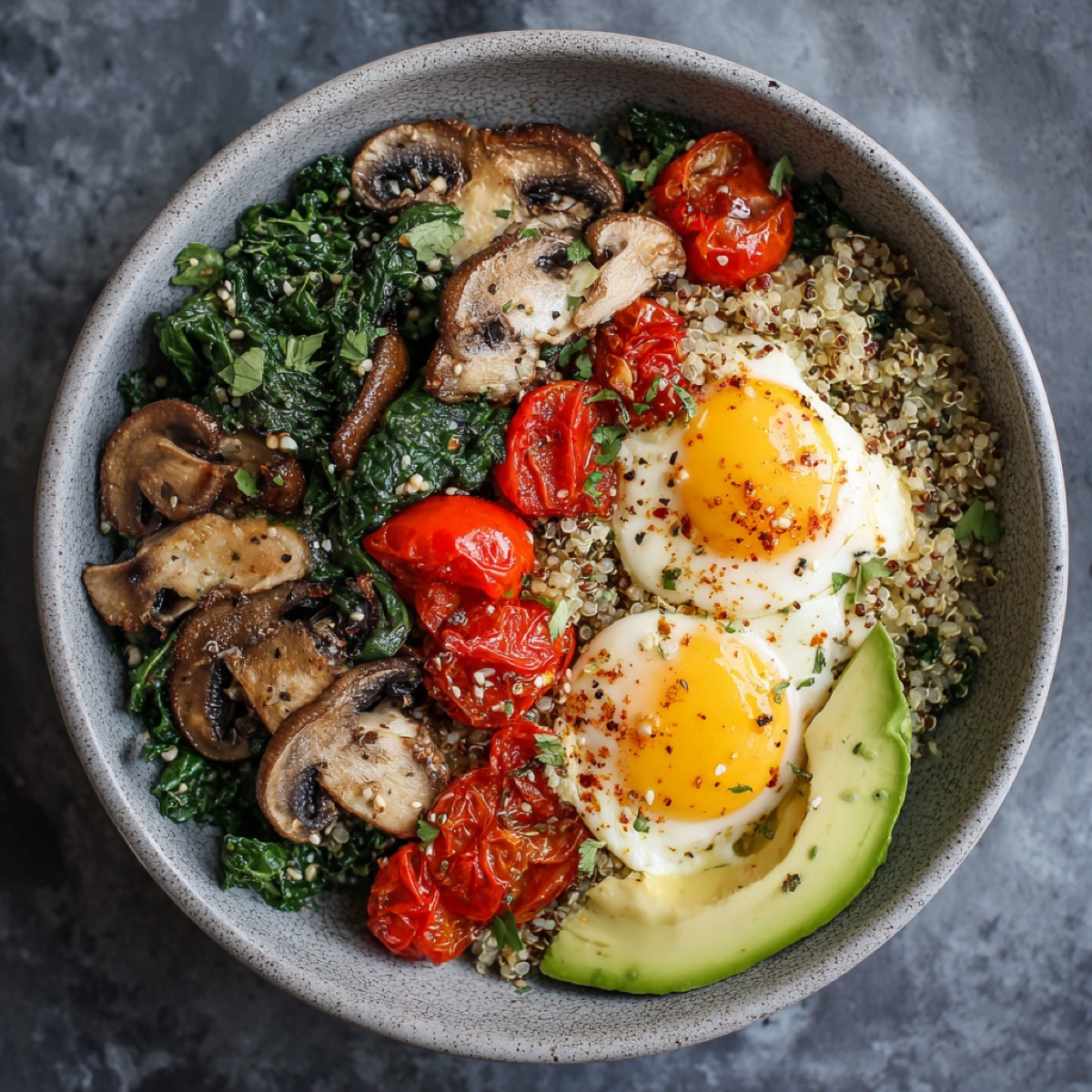
Savoury Greens & Egg Breakfast Skillet
A warm savoury breakfast skillet with eggs, greens, and slow carbohydrates for steady morning energy.
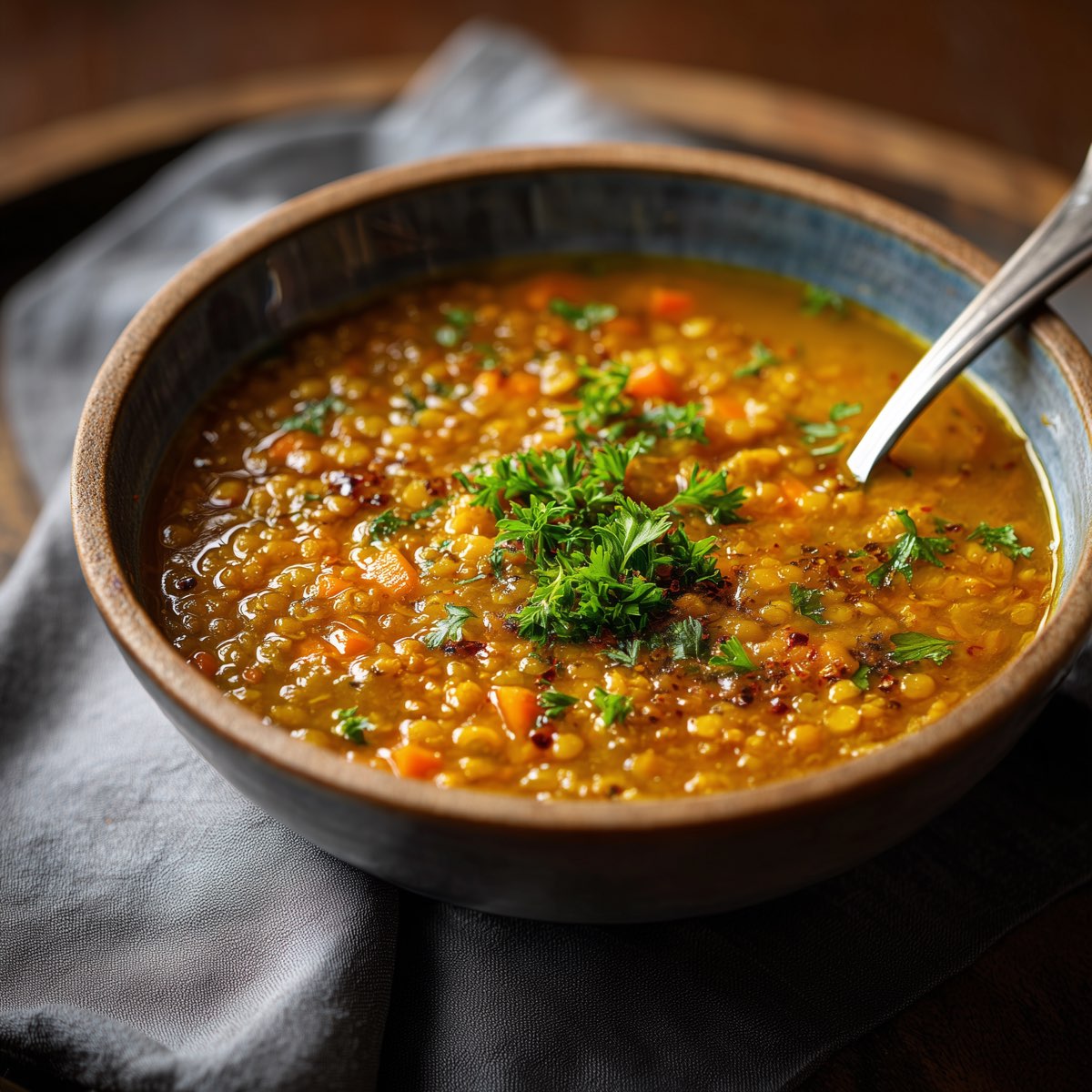
Turmeric Lentil Dahl
Turmeric- and ginger-spiced lentil dish rich in fibre, folate, and polyphenols
Foods
12 food relationships
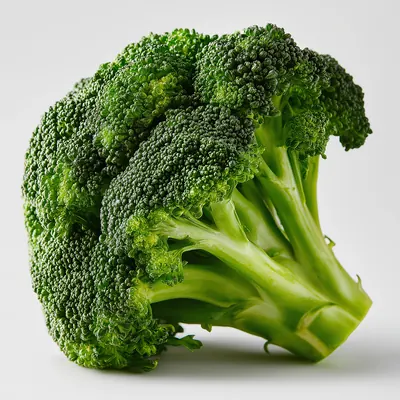
Broccoli
Cruciferous vegetable rich in sulforaphane, folate, and glutathione precursors
Legacy food association · relationship unreviewedBroccoli → legacy tag association → Vitamin K

Cucumber
NMN source and hydrating vegetable
Legacy food association · relationship unreviewedCucumber → legacy tag association → Vitamin K

Dandelion Greens
Bitter greens with prebiotic fiber
Legacy food association · relationship unreviewedDandelion Greens → legacy tag association → Vitamin K

Kale
Leafy green rich in iron, magnesium, zinc, quercetin, and carotenoids
Legacy food association · relationship unreviewedKale → legacy tag association → Vitamin K

Leeks
Allium vegetable with prebiotic fiber (FOS)
Legacy food association · relationship unreviewedLeeks → legacy tag association → Vitamin K

Nori
Red seaweed providing iodine and amino acid precursors for creatine synthesis
Legacy food association · relationship unreviewedNori → legacy tag association → Vitamin K

Parsley
Reduces harmful cholesterol oxidation products when added to cooking
Legacy food association · relationship unreviewedParsley → legacy tag association → Vitamin K
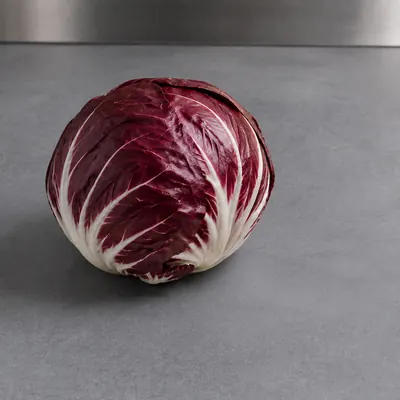
Radicchio
Bitter red chicory leaf providing lutein and vitamin K
Legacy food association · relationship unreviewedRadicchio → legacy tag association → Vitamin K
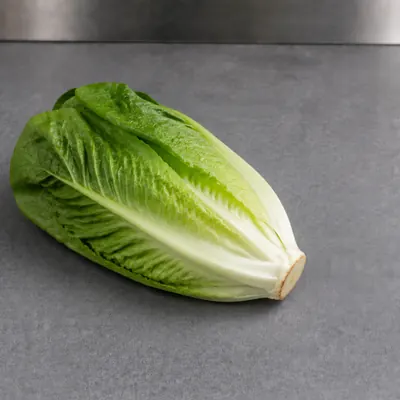
Romaine Lettuce
Crisp salad lettuce providing vitamin K, folate and carotenoids
Legacy food association · relationship unreviewedRomaine Lettuce → legacy tag association → Vitamin K

Spinach
Leafy green rich in iron, magnesium, folate, and carotenoids
Legacy food association · relationship unreviewedSpinach → legacy tag association → Vitamin K

Swiss Chard
Leafy green rich in iron, magnesium, folate, and carotenoids
Legacy food association · relationship unreviewedSwiss Chard → legacy tag association → Vitamin K

Watercress
Peppery brassica salad leaf providing vitamin C, vitamin K and carotenoids
Legacy food association · relationship unreviewedWatercress → legacy tag association → Vitamin K