Arginine
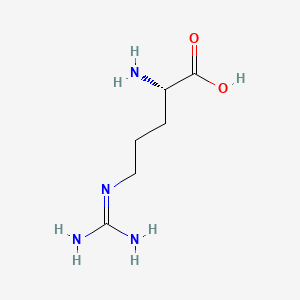
Overview
Arginine is a conditionally essential amino acid that supports nitric oxide production and endogenous creatine synthesis. Along with glycine and methionine, arginine contributes to creatine-pathway substrate supply, while nitric oxide signaling supports vascular tone and cerebral blood-flow regulation.
Food context matters: arginine-rich foods are mainly high-protein animal foods and selected plant proteins (especially seeds, soy foods, and lupin beans), not trace-presence foods. Nori contains arginine but is typically consumed in small portions and is not a high practical source compared with meats, fish, or dense plant proteins.
Top Food Sources (Practical)
Animal (top links)
Vegetarian (top links)
Minor contributor
- Nori (contains arginine but is usually consumed in small portions)
Recipes
Foods
2 foods containing this substance
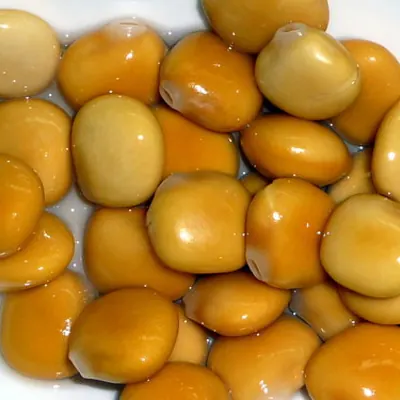
Lupin Beans
High-protein legume with strong arginine and lysine density
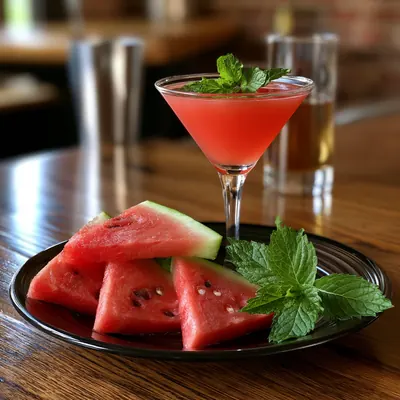
Watermelon
Hydrating fruit contributing citrulline within an arginine-nitric oxide network context
Biological Mechanisms and Implications
References
- Arginine is a precursor for creatine synthesis (along with glycine and methionine); creatine supports ATP recycling via the phosphocreatine system in neurons.
- Arginine is a precursor for nitric oxide synthesis, supporting vascular function and cerebral blood-flow context.
- Practical dietary arginine supply is dominated by high-protein animal foods and dense plant proteins (seeds, soy foods, legumes), while trace-presence foods such as nori contribute less at typical servings.