Propionate
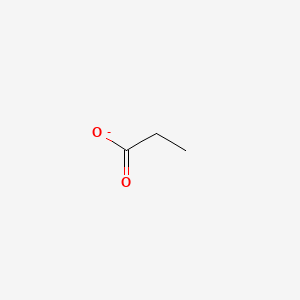
Overview
Propionate is a short-chain fatty acid (SCFA) produced by gut bacteria through fermentation of dietary fiber. It plays important roles in reducing neuroinflammation, protecting the blood-brain barrier, and regulating neurotransmitter secretion. Propionate stimulates norepinephrine secretion and may influence dopamine regulation, making it important for neurochemical balance. ADHD groups have been shown to exhibit significantly lower levels of propionic acid.
Recipes
Foods
Biological Mechanisms and Implications
No biological targets found for substance: Propionate
References
- ADHD group exhibiting significantly lower levels of key SCFAs, including propionic acid Steckler et al. 2024
- Propionate helps reduce neuroinflammation and enhance cognitive function while protecting the blood-brain barrier Hoyles et al. 2018
- Propionate stimulates secretion of norepinephrine and might influence dopamine regulation Mirzaei et al. 2021
- Propionate and butyrate improve insulin sensitivity and glucose metabolism; SCFAs produced from fiber fermentation help stabilize blood glucose and reduce insulin resistance
- SCFAs support intestinal barrier integrity, regulate immune responses, and promote synthesis of key neurotransmitters such as dopamine and serotonin Silva et al. 2020
- Found in: Produced by gut bacteria from fiber fermentation