Genistein
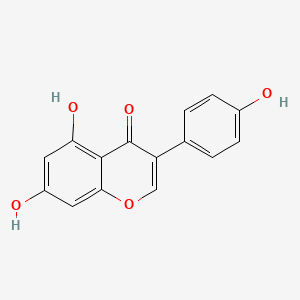
Overview
Genistein is an isoflavone polyphenol found primarily in soybeans and soy products. It supports brain health through multiple mechanisms, including modulation of the endocannabinoid system by inhibiting the enzyme that breaks down anandamide, thereby enhancing endocannabinoid signaling. Genistein also exhibits strong antioxidant and anti-inflammatory properties, protecting neurons from oxidative stress and neuroinflammation. It can cross the blood-brain barrier and has been studied for its potential neuroprotective effects in various neurological conditions.
Recipes
Foods
4 foods containing this substance




Biological Mechanisms and Implications
| Biological Target | Therapeutic Areas | Mechanism of Action |
|---|
References
- Polyphenols such as genistein may further enhance ECS tone by inhibiting fatty acid amide hydrolase (FAAH), the enzyme responsible for anandamide degradation Gibellini and Smith 2010
- Genistein may amplify the ECS's ability to regulate dopamine, glutamate, and GABA signaling, all key pathways to regulate in ADHD
- Genistein has been confirmed to alleviate the deleterious effects of oxidative stress on neuronal injury, preventing neuronal death, increasing hippocampal glutathione and superoxide dismutase production, and lowering lipid peroxidation and reactive oxygen species Fuloria et al. 2022
- Genistein is believed to pass the blood–brain barrier and is extensively applied in the investigation of neurodegenerative diseases such as Alzheimer's and Huntington's Fuloria et al. 2022