Linoleic Acid (LA, n-6)
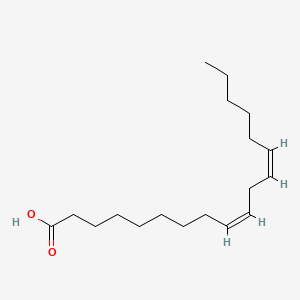
Overview
Linoleic acid (LA) is an essential omega-6 fatty acid that the body cannot synthesize and must obtain from the diet. It serves as a precursor to arachidonic acid and various eicosanoids, which are signaling molecules involved in inflammation and immune function. While linoleic acid is essential, the balance between omega-6 and omega-3 fatty acids is important, as excessive n-6:n-3 ratios (common in Western diets) may skew toward pro-inflammatory eicosanoids. The BRAIN Diet emphasizes maintaining an appropriate balance between omega-6 and omega-3 fatty acids for optimal inflammatory tone and brain health.
Recipes
6 recipes containing this substance
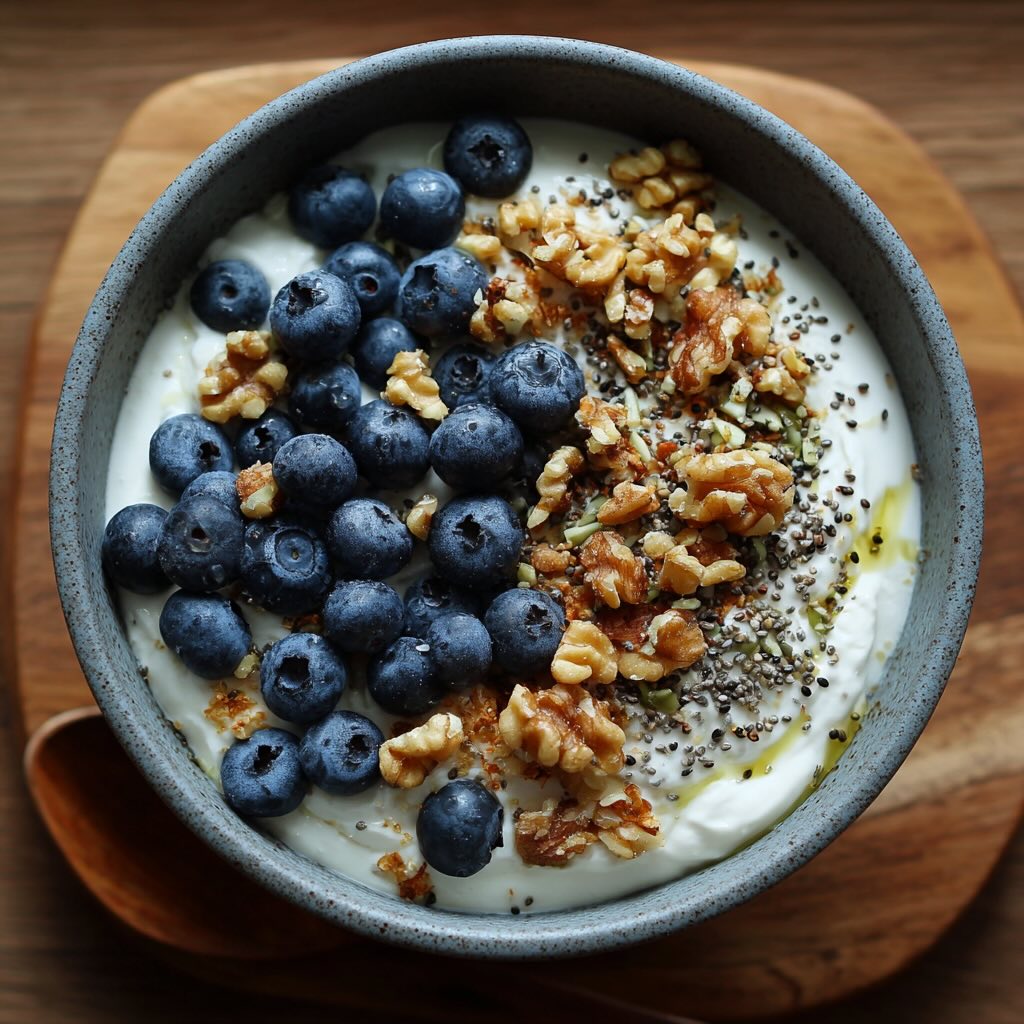
Ginger Yogurt and Blueberries
A polyphenol-rich breakfast bowl with high fibre, combining ginger, omega-3 nuts, blueberry polyphenols, and probiotic yogurt.
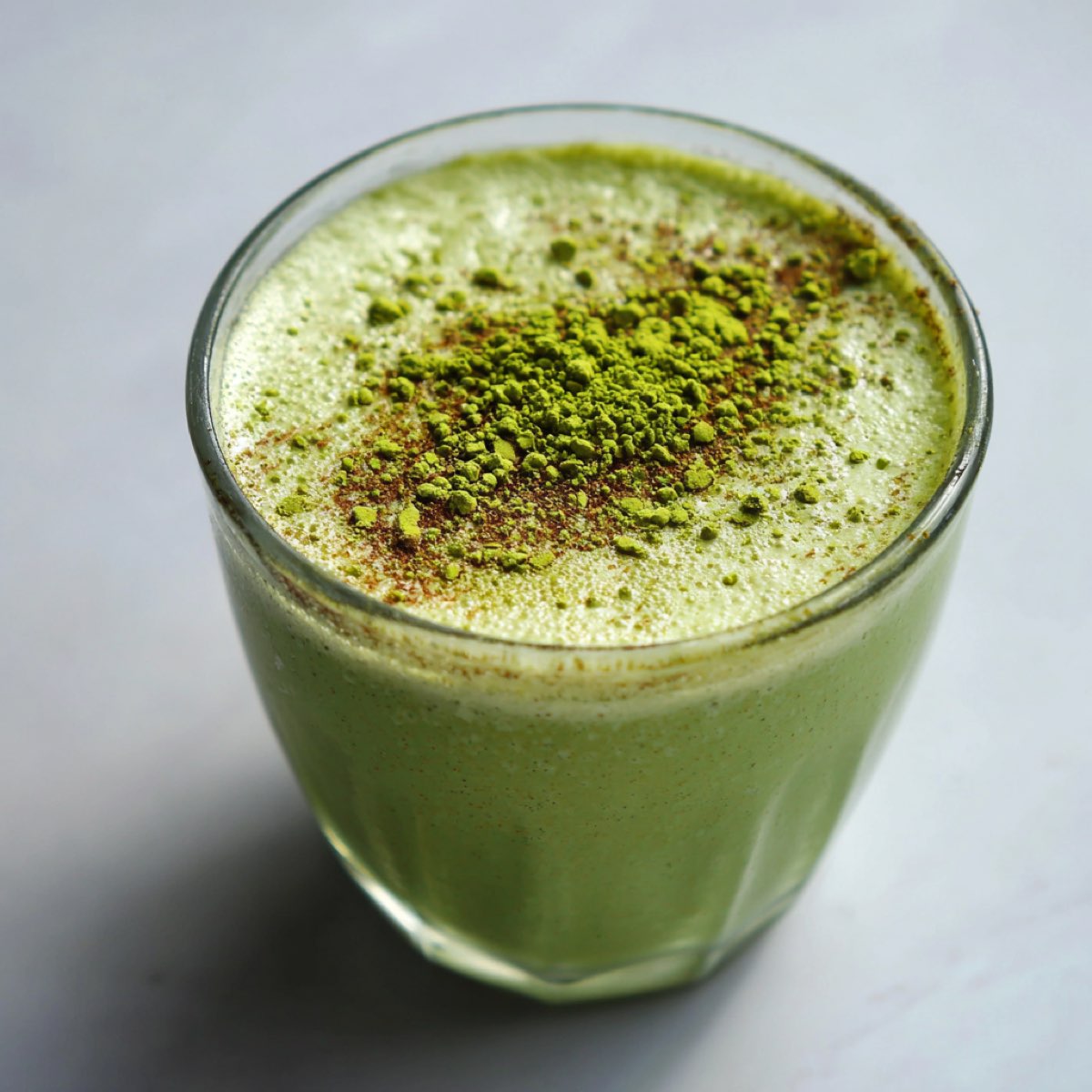
Matcha Mitochondria Smoothie
Mitochondrial energising smoothie rich in polyphenols, magnesium, and antioxidants
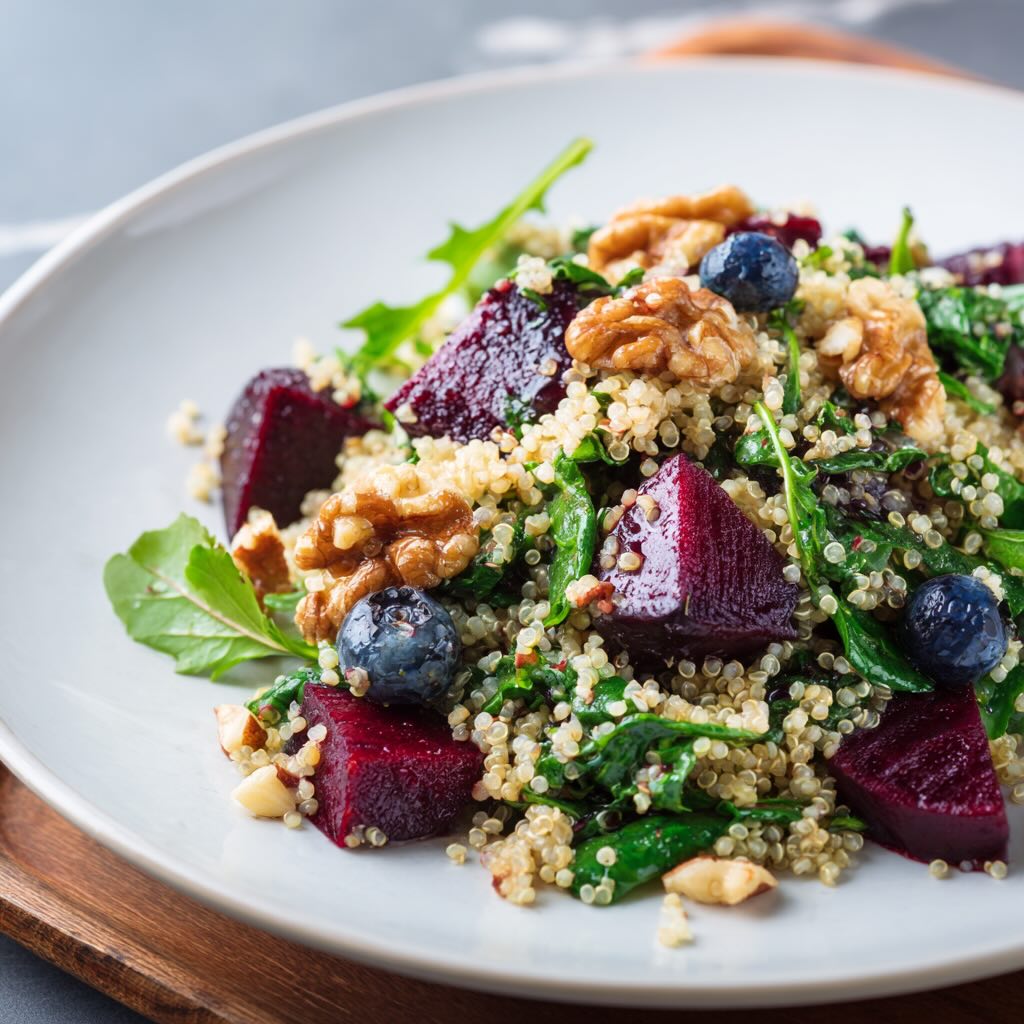
Mitochondrial Power Bowl
A nitrate-rich, polyphenol-dense bowl combining leafy greens, beets, berries, nuts, and early harvest olive oil
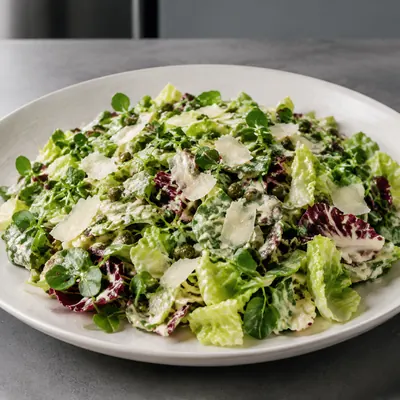
Mixed-Leaf Tahini Caesar Salad
A Caesar-style mixed-leaf salad with a tahini, anchovy, caper and Parmesan dressing, using extra virgin olive oil retained from oil-packed capers.
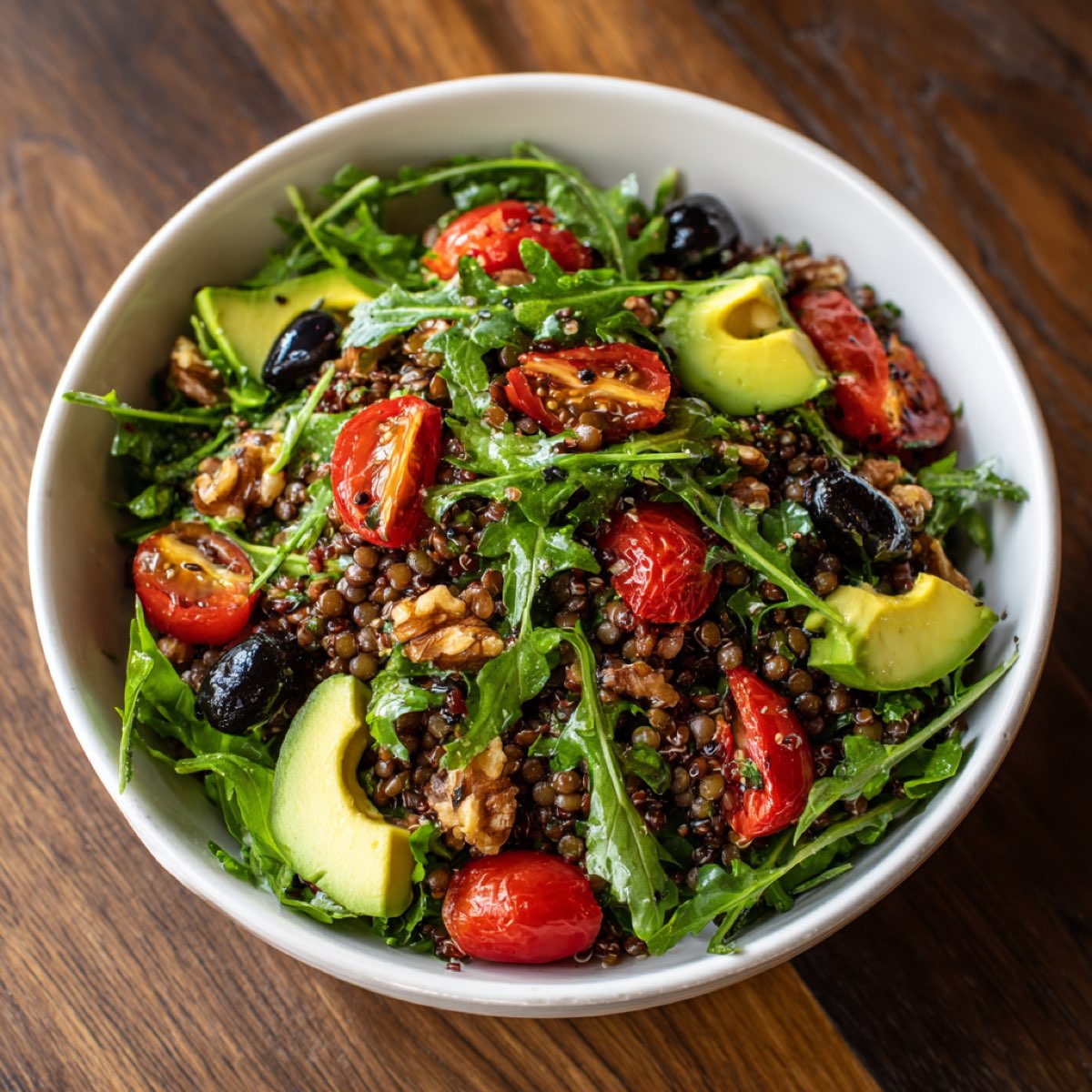
Rocket Lentil Avocado Midday Salad (Gut-Supporting)
Polyphenol-rich midday salad with quinoa or lentils, vegetables, avocado, and early harvest olive oil
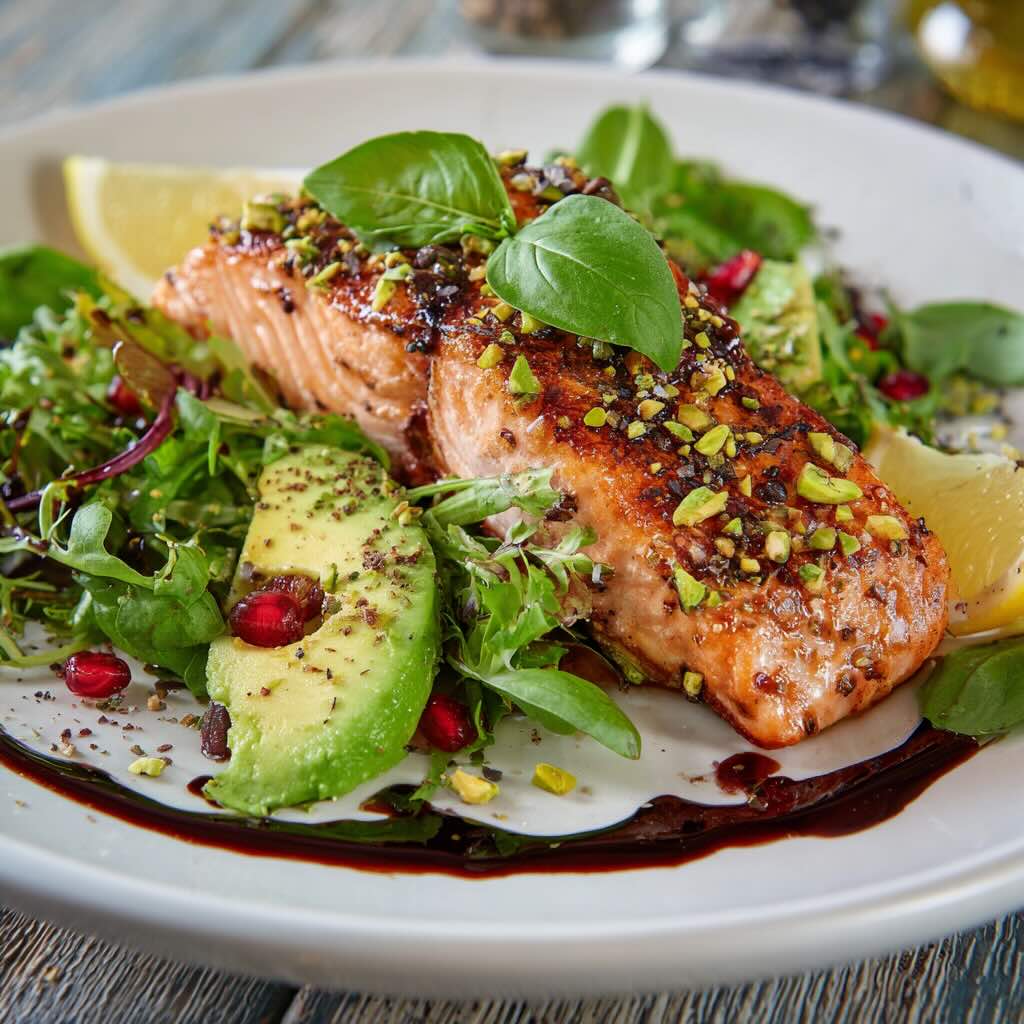
Salmon Bowl-pistachio-cacao-nibs
A Mediterranean-style bowl combining salmon, avocado, pistachios, cacao nibs, and early harvest olive oil — rich in omega-3 fats, polyphenols, and fibre.
Foods
11 foods containing this substance
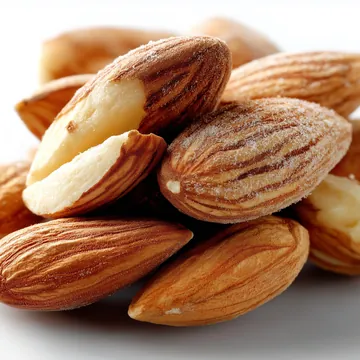
Almonds
Nutrient-dense nut providing vitamin E, magnesium, fibre and unsaturated fats
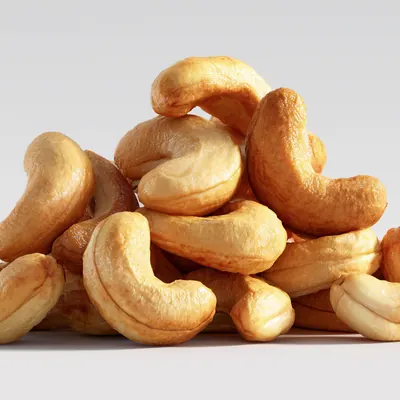
Cashews
Plant protein and zinc source
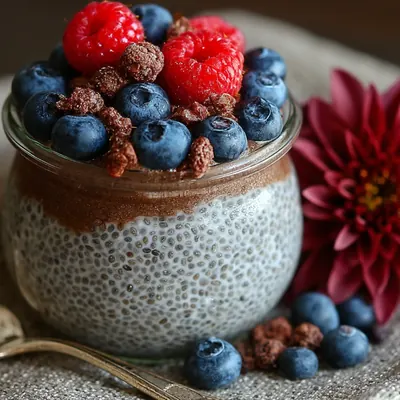
Chia Seeds
ALA omega-3, fiber, and minerals

Flax Seeds
ALA omega-3 and soluble fiber source

Peanuts
Niacin, resveratrol, and plant protein for NAD+ and mitochondrial support

Sesame Seeds
Whole sesame seed with unsaturated fat, minerals and lignans

Sunflower Seeds
Thiamine source and sunflower lecithin precursor

Tahini
Ground sesame-seed paste; composition depends on hull and roast

Tempeh
Fermented soy providing probiotics and enhanced nutrient bioavailability

Tofu
Soy-based protein source with isoflavones and choline

Walnuts
ALA omega-3, polyphenols, and ellagitannins for urolithin A production
Biological Mechanisms and Implications
References
- LA is an essential omega-6 fatty acid; excessive n-6:n-3 ratios may skew toward pro-inflammatory eicosanoids; balance with omega-3s is emphasized
- Western diets can skew n-6:n-3 ratio as high as 20:1, contributing to chronic inflammation and neurotransmitter dysregulation Simopoulos 2011
- Overall dietary n-6:n-3 balance affects inflammatory tone