Creatine
Overview
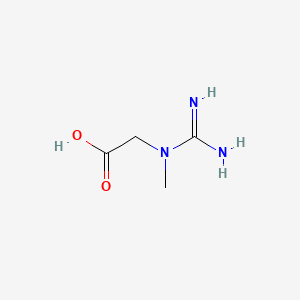
Creatine is a nitrogen-containing compound that plays a critical role in cellular energy metabolism, particularly in tissues with high energy demands like the brain and muscles. It functions through the phosphocreatine system, which acts as a rapid energy buffer to recycle ATP, the primary energy currency of cells. In the brain, creatine helps support high-energy demand processes such as neurotransmitter synthesis, ion pumping, and synaptic transmission. It enhances mitochondrial energy buffering and supports cognitive function, particularly under conditions of increased cognitive load or energy stress.
Recipes
Foods
6 foods containing this substance
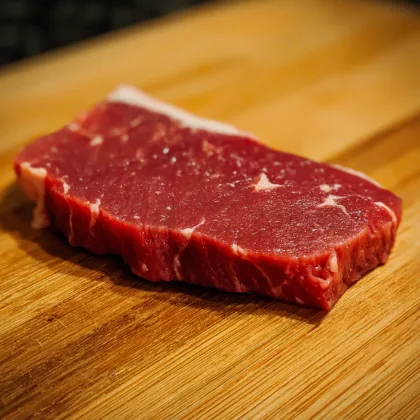
Beef
High creatine, CoQ10, and bioavailable heme iron

Lamb
Creatine and bioavailable heme iron

Liver
Nutrient-dense organ meat with bioavailable B12, retinol, iron, and CoQ10

Pork
Thiamine, creatine, and zinc

Scallops
Lean shellfish rich in creatine, taurine, and vitamin B12
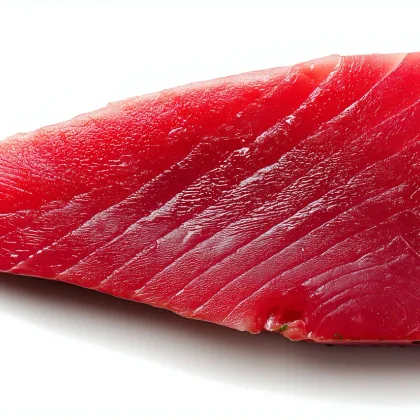
Tuna
Fish providing omega-3, niacin, selenium, and complete protein
Biological Mechanisms and Implications
References
- Creatine supports ATP recycling via the phosphocreatine system and enhances working memory and cognitive processing speed, particularly under cognitive load Avgerinos et al. 2018
- Creatine supplementation improves cognitive performance in sleep-deprived adults McMorris et al. 2007
- Combinations of creatine and CoQ10 show additive neuroprotection in models of Parkinson's and Huntington's disease Yang et al. 2009
- While omnivore diets naturally supply creatine from beef, lamb, pork, salmon, tuna, cod, and scallops, vegan diets contain minimal amounts, making supplementation or fortified foods necessary for plant-based eaters