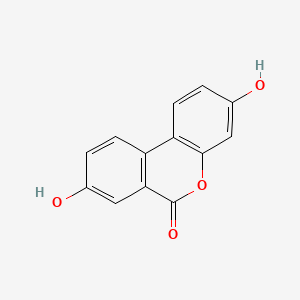
Urolithin A
Recipes
Foods
Biological Mechanisms and Implications
No biological targets found for substance: Urolithin A
References
- Higher polyphenol intake and microbial diversity increase urolithin A, supporting mitochondrial resilience and mitophagy and improving cognitive endurance Singh et al. 2022
- Urolithin A supports mitochondrial resilience and mitophagy, improving cognitive endurance Andreux et al. 2019
- Urolithin A improves Alzheimer's disease cognition and restores mitophagy and lysosomal functions Hou et al. 2024
- Urolithin A was more successfully produced with those with increased gut biota Firmicutes-to-Bacteroidetes ratio
- The Green Mediterranean Diet study showed greater visceral adipose tissue loss that tracked with microbiome-derived markers urolithin A (via ellagitannins: walnuts/pomegranate) Zelicha et al. 2022
- Direct supplementation with Urolithin A overcomes limitations of dietary exposure and gut microbiome variability in healthy adults to achieve consistent levels across the population Singh et al. 2022
- Increases in microbiome-derived metabolites like urolithin A reinforce the synergistic role of polyphenols, fibre, and gut-derived antioxidants in improving metabolic and cognitive resilience