Lycopene
Overview
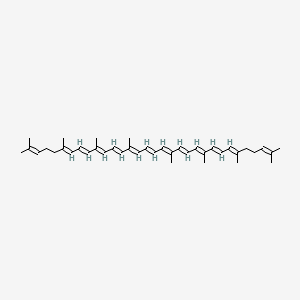
Lycopene is a red carotenoid pigment found primarily in tomatoes and other red fruits and vegetables. It functions as a potent antioxidant, scavenging reactive oxygen species and helping stabilize cell membranes. Lycopene exhibits anti-inflammatory properties and supports immune regulation. Unlike some other carotenoids, lycopene's bioavailability is significantly enhanced by cooking, which breaks down cell walls and releases the compound. Its absorption is also improved when consumed with dietary fats, making food preparation and pairing important for maximizing benefits.
Recipes
3 recipes containing this substance
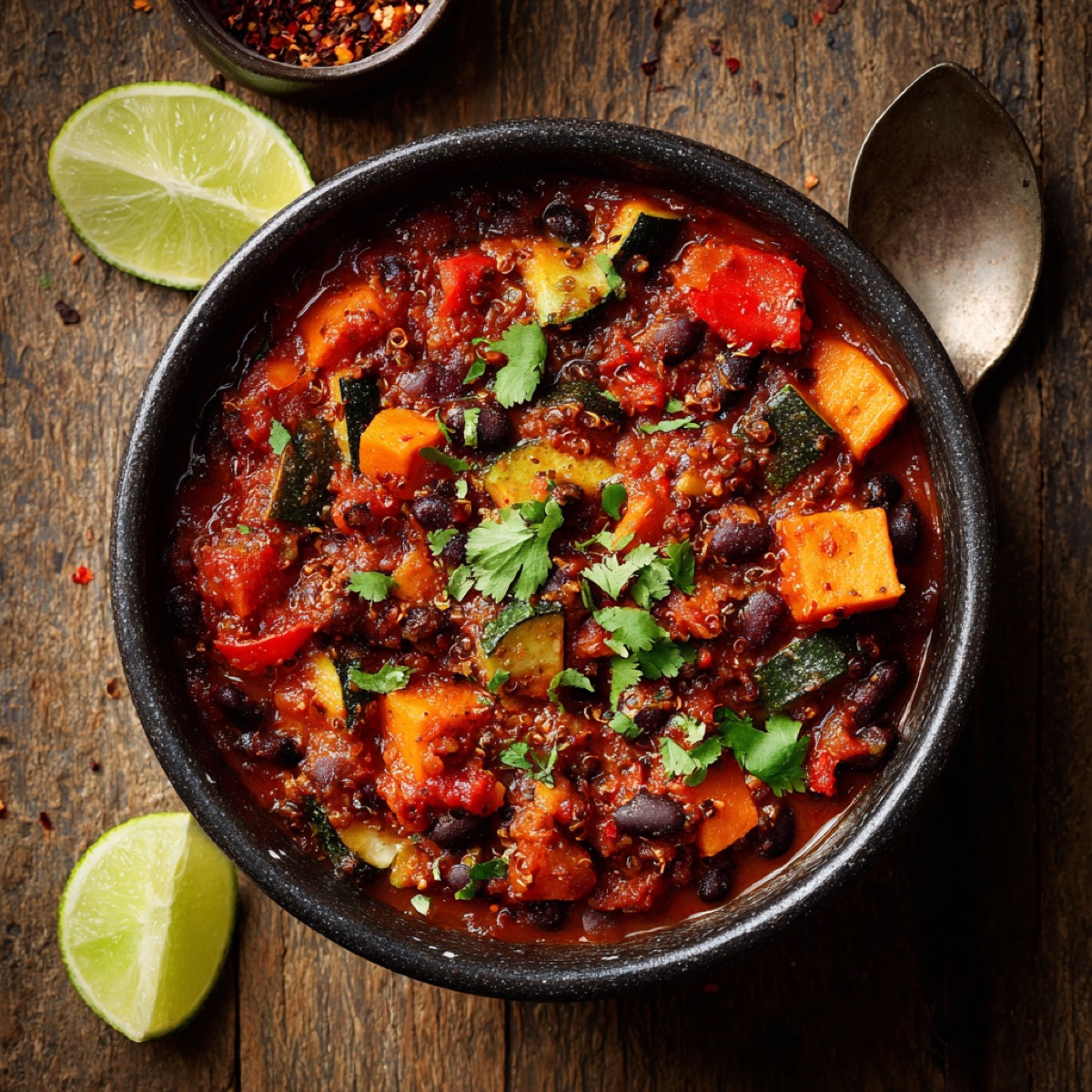
Black Bean & Sweet Potato Vegetable Chilli
A fibre-rich bean and vegetable chilli with warming spices and slow carbohydrates for steady energy and satiety.
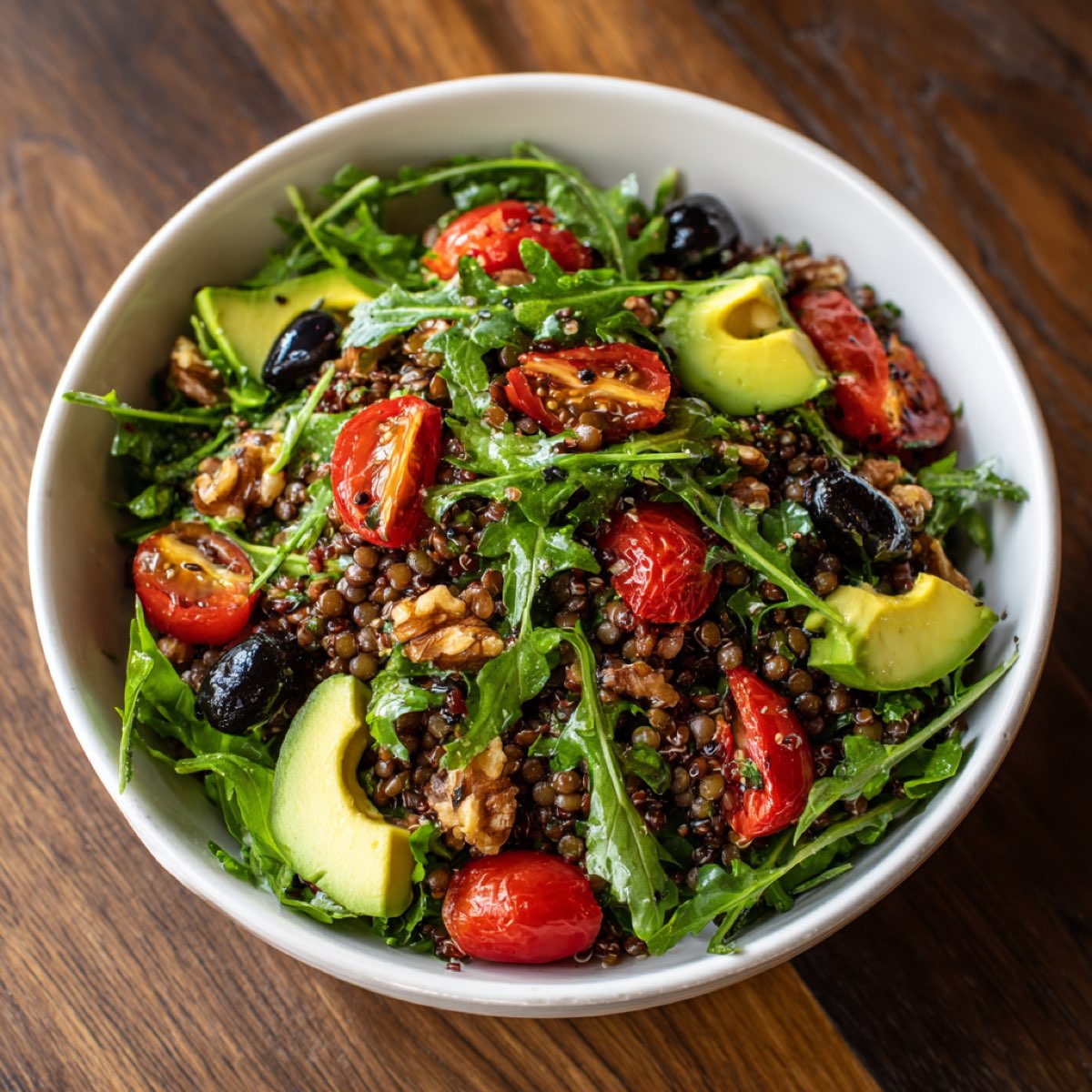
Rocket Lentil Avocado Midday Salad (Gut-Supporting)
Polyphenol-rich midday salad with quinoa or lentils, vegetables, avocado, and early harvest olive oil

Savoury Greens & Egg Breakfast Skillet
A warm savoury breakfast skillet with eggs, greens, and slow carbohydrates for steady morning energy.
Foods
2 foods containing this substance

Tomatoes
Lycopene, vitamin C, and food matrix effects on absorption

Watermelon
Hydrating fruit contributing citrulline within an arginine-nitric oxide network context
Biological Mechanisms and Implications
References
- The bioaccessibility of carotenoids in vegetables is remarkably low—lycopene in canned and fresh tomatoes is less than 1% Fielding et al. 2005
- Prolonged cooking increases access to lycopene in tomatoes where cell walls need to be broken down
- Co-consuming a small amount of unsaturated fat with polyphenol-rich foods improves micelle formation and chylomicron packaging, increasing carotenoid absorption Kindel et al. 2010
- Carotenoids are abundant in leafy greens, orange and yellow vegetables, corn, and egg yolks; their absorption is enhanced by dietary fat Brown et al. 2004