Taurine
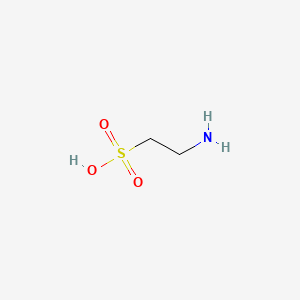
Overview
Taurine is a sulfur-containing amino acid that plays multiple important roles in brain health and function. It functions as an osmoregulator, helping maintain proper fluid balance in cells, and stabilizes mitochondrial membranes, supporting energy production. Taurine exhibits adaptogenic properties by helping buffer the brain against chronic stress and regulating the HPA axis, including reducing cortisol levels. It also modulates calcium signaling, supports GABAergic tone, and contributes to antioxidant defense and neurotransmission. While the body can synthesize some taurine, dietary intake from animal sources is important for optimal levels.
Recipes
1 recipe containing this substance
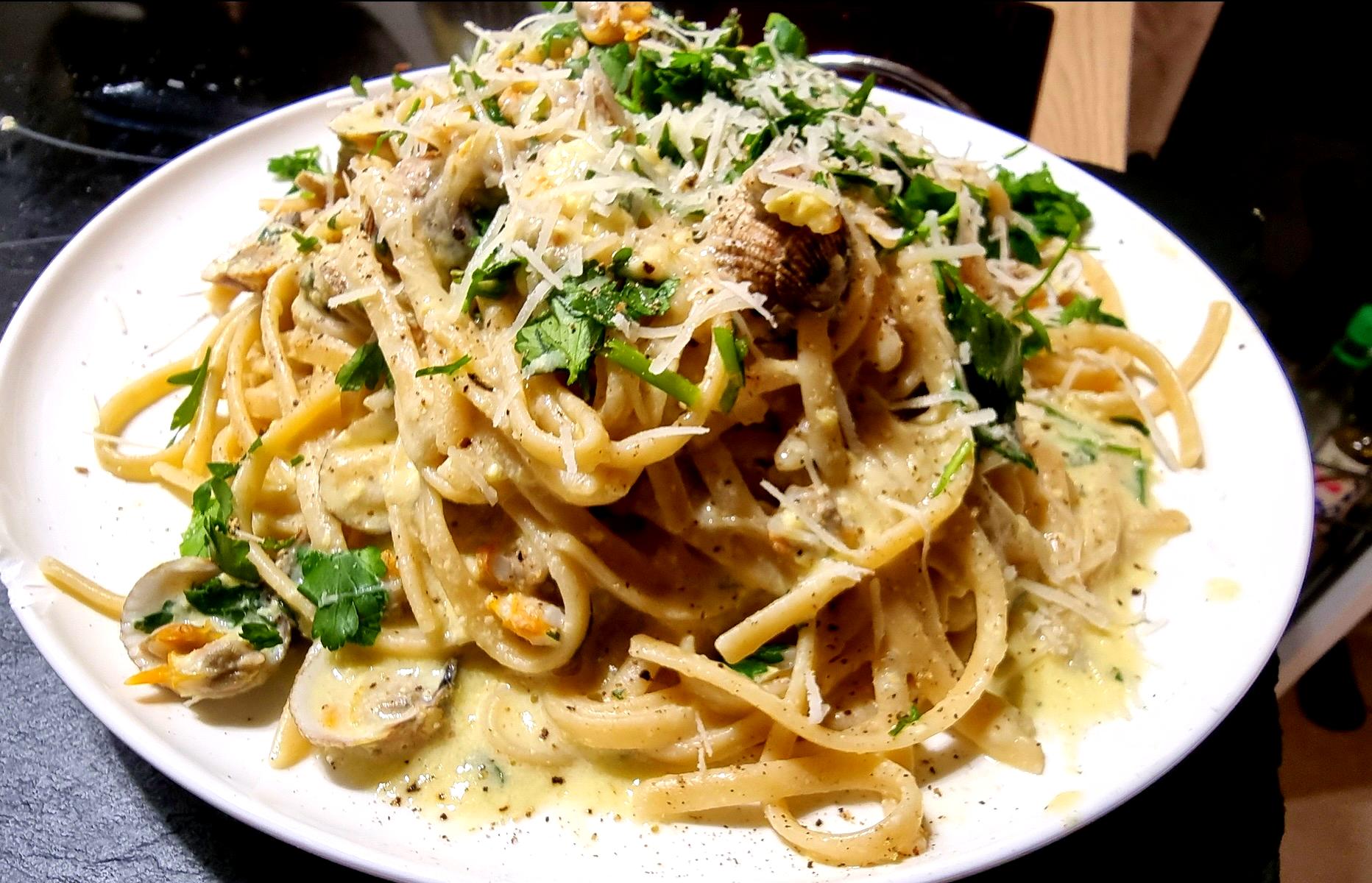
Linguine alle vongole mantecate (Linguine with cockles in a silky emulsified sauce)
Whole-wheat linguine with cockles in a silky emulsified sauce; Italian emulsification technique without cream, supporting taurine, B12, and choline intake.
Foods
5 foods

Clams
High taurine and B12 content

Cockles
Bivalve shellfish providing B12, iron, zinc, selenium, and marine taurine

Dark-Meat Poultry
Higher taurine content than white meat

Mackerel
Oily fish rich in EPA/DHA, CoQ10, taurine, and vitamin D

Scallops
Lean shellfish rich in creatine, taurine, and vitamin B12
Biological Mechanisms and Implications
References
- Taurine protects mitochondrial function under oxidative stress and modulates neuroinflammation Jangra et al. 2024
- Taurine exhibits adaptogenic properties by buffering the brain against chronic stress and regulating the HPA axis, including reductions in cortisol
- Taurine modulates calcium signaling, antioxidant defense, and neurotransmission; brain taurine levels are tied to neuroprotection
- In animal models of ADHD, taurine supplementation has been linked to improvements in attention and hyperactivity, though equivalent human data are lacking
- While humans can synthesize small amounts of taurine endogenously from the precursor cysteine, this capacity is limited, making dietary intake from meats, shellfish, and cysteine-rich foods important Wójcik et al. 2010