Caprylic Triglyceride (Trioctanoin)
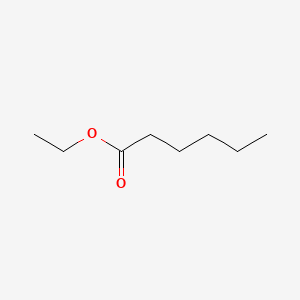
Overview
Caprylic triglyceride (trioctanoin) is a medium-chain triglyceride (MCT) containing three caprylic acid (C8) molecules. It is one of the primary components of MCT oil and provides rapid brain energy via ketone production. Caprylic acid (C8) is particularly effective at producing ketones and is often the preferred MCT for brain energy support.
Recipes
Foods
1 food

MCT Oil
Concentrated medium-chain triglycerides for brain energy
Biological Mechanisms and Implications
References
- Caprylic triglyceride (C8) is converted to ketones which serve as alternative energy substrate for mitochondria, supporting brain energy metabolism
- Ketones provide ATP through mitochondrial metabolism, supporting neurotransmitter synthesis and neuronal function
- Found in: MCT oil, coconut oil