Curcumin (Turmeric)
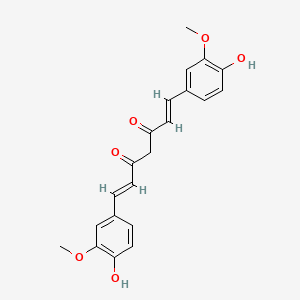
Overview
Curcumin is the primary bioactive polyphenol found in turmeric, responsible for its characteristic yellow color and many of its health benefits. It exhibits strong anti-inflammatory and antioxidant properties, supporting brain health through neuroprotective effects and contributing to BDNF expression when combined with other polyphenols. Curcumin's bioavailability is significantly enhanced when paired with piperine (from black pepper) and consumed with fats, making food preparation and pairing important for maximizing its benefits.
Recipes
3 recipes containing this substance

Turkey Wing Stew
A collagen-rich, glycine-heavy slow-cooked stew made from affordable turkey wings — rich in protein, tryptophan, and B vitamins.
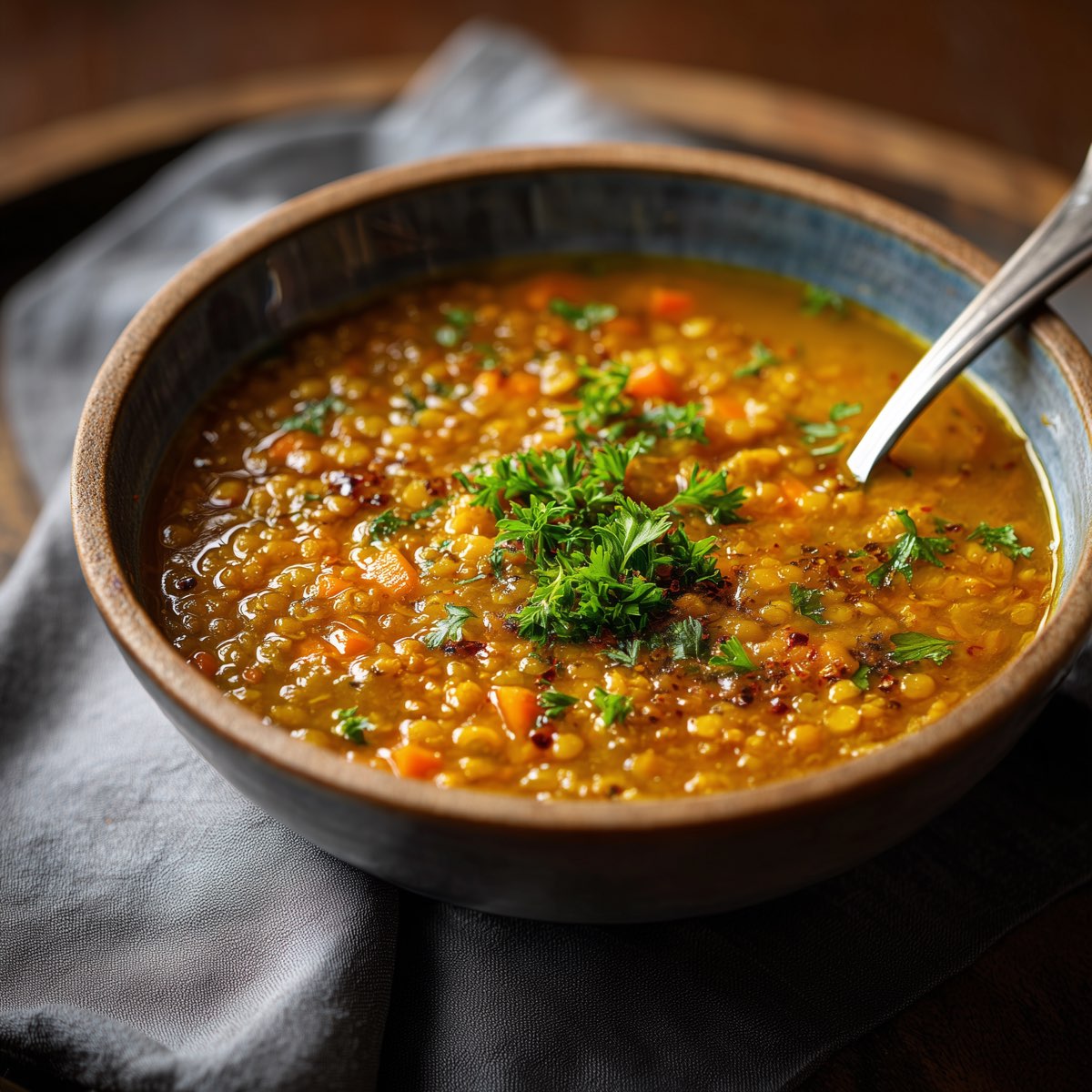
Turmeric Lentil Dahl
Turmeric- and ginger-spiced lentil dish rich in fibre, folate, and polyphenols
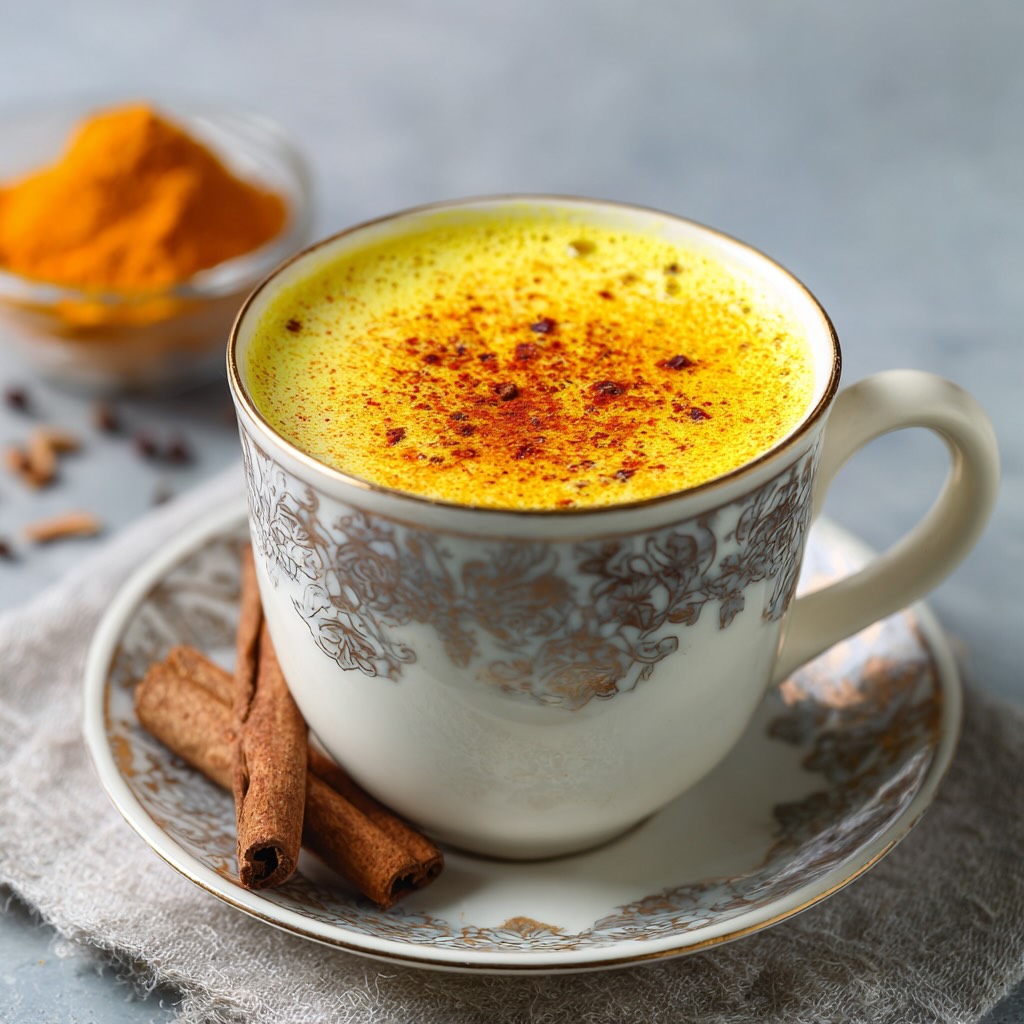
Turmeric Milk
A warming drink combining turmeric (curcumin) with milk/fat for enhanced curcumin absorption
Foods
1 food

Turmeric
Curcumin source; pair with black pepper and fat for absorption
Biological Mechanisms and Implications
References
- Systematic reviews affirm that curcumin supplementation can improve memory performance in older adults and enhance overall cognitive function in both healthy and at-risk populations Goozee et al. 2016
- Turmeric, along with omega-3s and other polyphenols, contributes to BDNF expression through exercise and polyphenol synergy, with anti-inflammatory diets helping sustain BDNF levels
- Curcumin's bioavailability is markedly improved by pairing with piperine and fats; therapeutic doses range from 500–1000 mg/day curcumin with piperine