Cinnamaldehyde
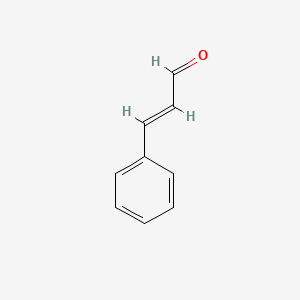
Overview
Cinnamaldehyde is the primary aromatic compound in cinnamon, accounting for 60-80% of cinnamon essential oils. It is the key bioactive compound responsible for cinnamon's characteristic flavor and many of its health benefits, particularly its effects on glycemic control and insulin sensitivity. Cinnamaldehyde works synergistically with other cinnamon polyphenols, including procyanidins, to support glucose regulation and metabolic health.
Recipes
1 recipe containing this substance

Ginger Yogurt and Blueberries
A polyphenol-rich breakfast bowl with high fibre, combining ginger, omega-3 nuts, blueberry polyphenols, and probiotic yogurt.
Foods
1 food

Cinnamon
Glycemic control, insulin sensitivity, and cognitive support
Biological Mechanisms and Implications
References
- Cinnamaldehyde is the major volatile compound in cinnamon, comprising 60-80% of cinnamon essential oils
- Key bioactive compound in cinnamon that supports glycemic control and insulin sensitivity
- Works synergistically with procyanidins and other cinnamon polyphenols to support glucose regulation