Allicin
Overview
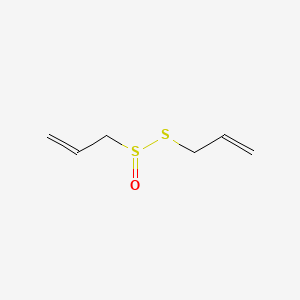
Allicin is a reactive sulfur compound formed from alliin when garlic tissue is damaged, through the enzyme alliinase [1]. The substance page concerns allicin itself; garlic, extracts and other sulfur compounds require their own evidence attribution. Preparation therefore matters when describing exposure.
Its reactions with glutathione and protein thiols help explain activity in experimental systems [1]. Such chemistry does not independently establish a dietary benefit, a brain effect, or an effective human intake. Findings for a garlic product cannot be assigned to allicin alone without evidence that isolates its contribution.
Dietary Context
Garlic tissue damage enables alliin → allicin formation [1]. Precursor content and formed allicin are separate measurements.
Research Spotlights & Evidence Checks
Foods
1 food
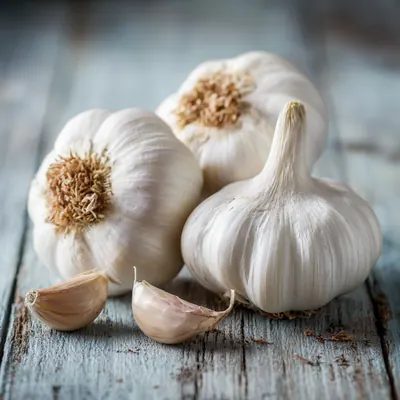
Garlic
Allicin, sulfur compounds, and prebiotic fiber for gut and antioxidant support
Recipes
6 recipes containing this substance
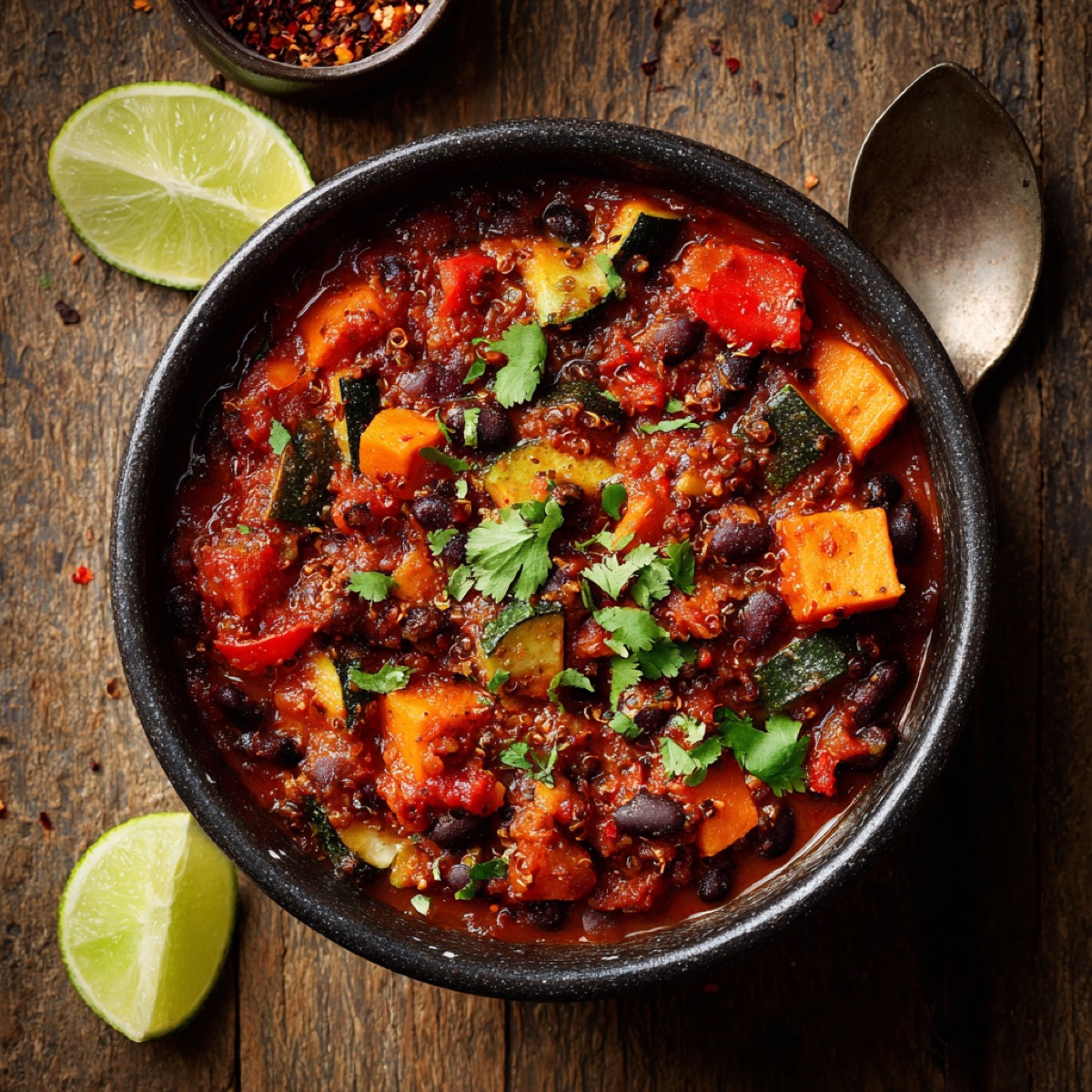
Black Bean & Sweet Potato Vegetable Chilli
A fibre-rich bean and vegetable chilli with warming spices and slow carbohydrates for steady energy and satiety.
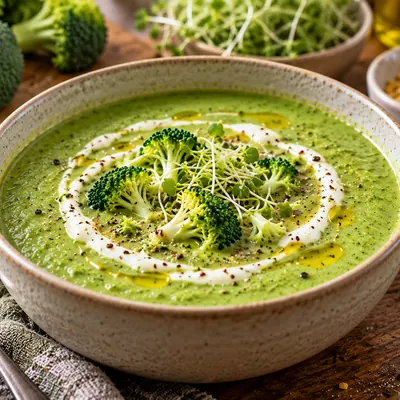
Broccoli, Potato and Onion Soup
A smooth broccoli, potato and onion soup for 4, with the broccoli blended and rested before a short simmer.
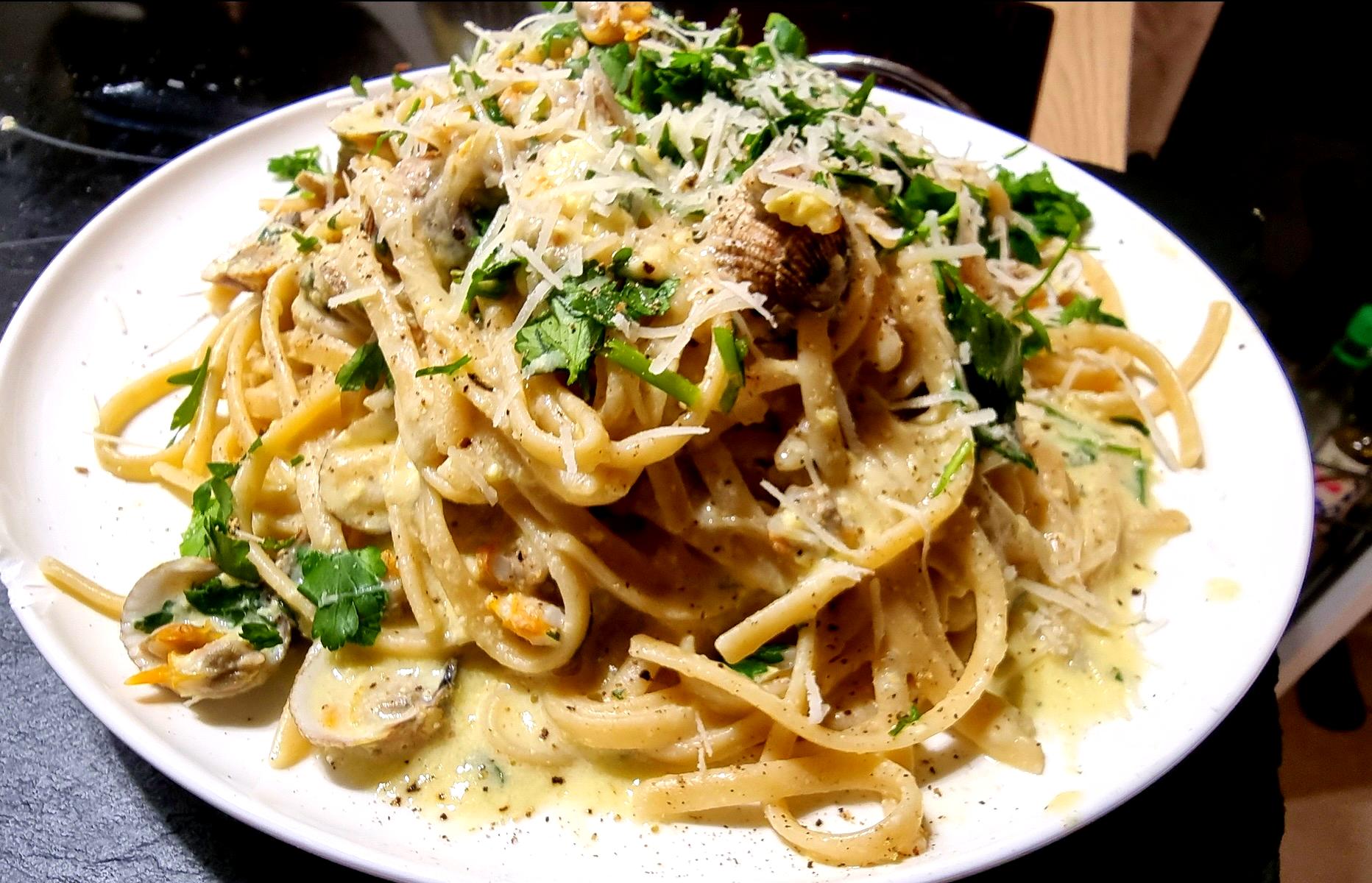
Linguine alle vongole mantecate (Linguine with cockles in a silky emulsified sauce)
Whole-wheat linguine with cockles in a silky emulsified sauce; Italian emulsification technique without cream, supporting taurine, B12, and choline intake.
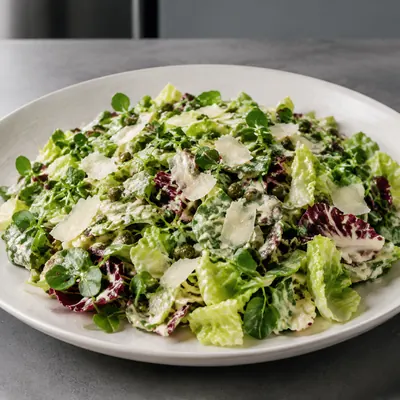
Mixed-Leaf Tahini Caesar Salad
A Caesar-style mixed-leaf salad with a tahini, anchovy, caper and Parmesan dressing, using extra virgin olive oil retained from oil-packed capers.
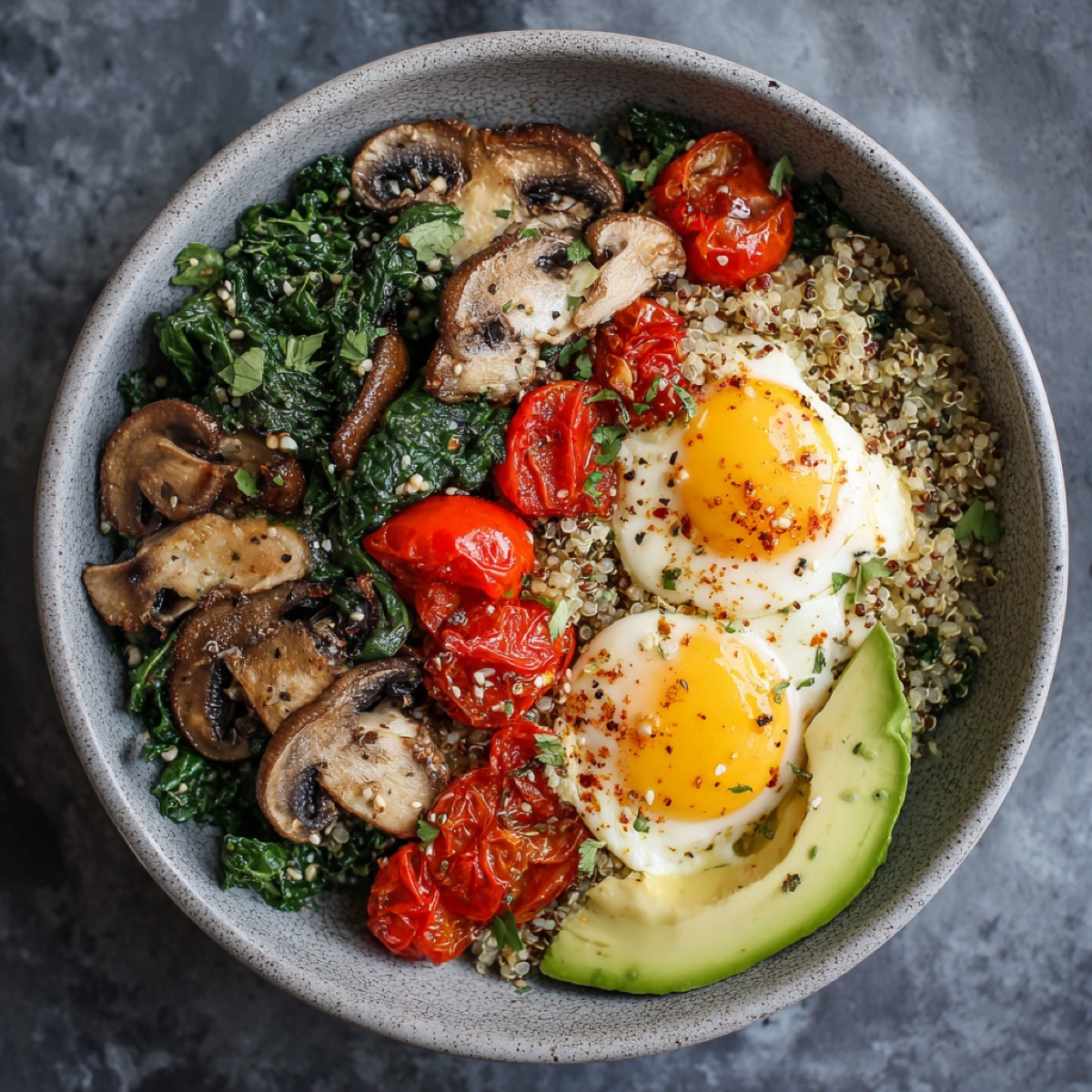
Savoury Greens & Egg Breakfast Skillet
A warm savoury breakfast skillet with eggs, greens, and slow carbohydrates for steady morning energy.
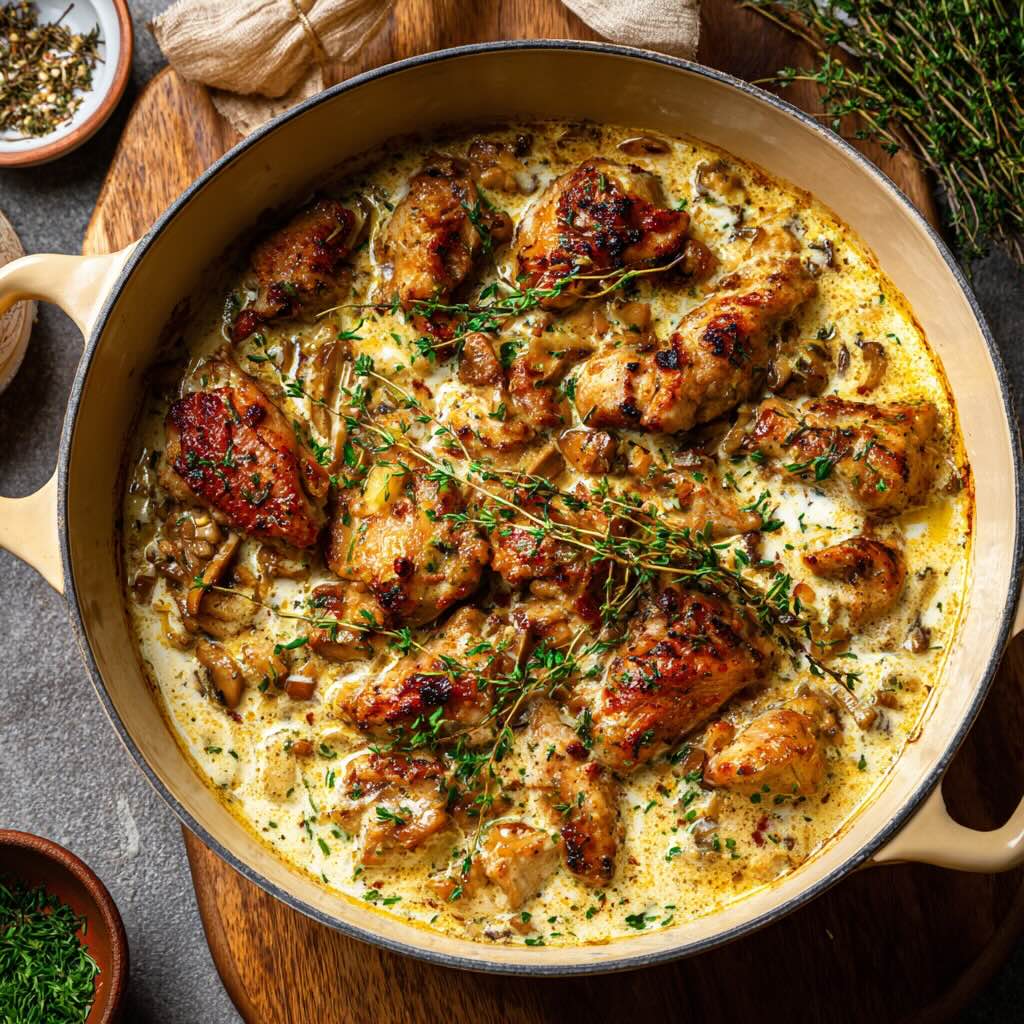
Turkey Wing Stew
A collagen-rich, glycine-heavy slow-cooked stew made from affordable turkey wings — rich in protein, tryptophan, and B vitamins.
Biological Regulatory Systems
| Biological Regulatory System | Evidence-qualified relationship | Evidence |
|---|---|---|
| Inflammation & Oxidative Stress (BRS3) | Thiol-reactive chemistry; mechanistic relevance rather than demonstrated dietary efficacy | [1] |
References
[1] Borlinghaus et al. (2014). Allicin: chemistry and biological properties. Formation and redox chemistry review.