Nitrate
Overview
Nitrate is a dietary compound found in certain vegetables that serves as a precursor to nitric oxide (NO), a critical signaling molecule in the body. Dietary nitrates from vegetables like beetroot, leafy greens, celery, radishes, and beet greens are converted to nitrite by oral bacteria, then further reduced to nitric oxide in the body. Nitric oxide plays essential roles in vascular function, supporting healthy blood flow and cerebral circulation, which in turn enhances oxygen and nutrient delivery to brain tissue. This improved vascular function supports mitochondrial efficiency by ensuring adequate oxygen supply for energy production.
Recipes
2 recipes containing this substance
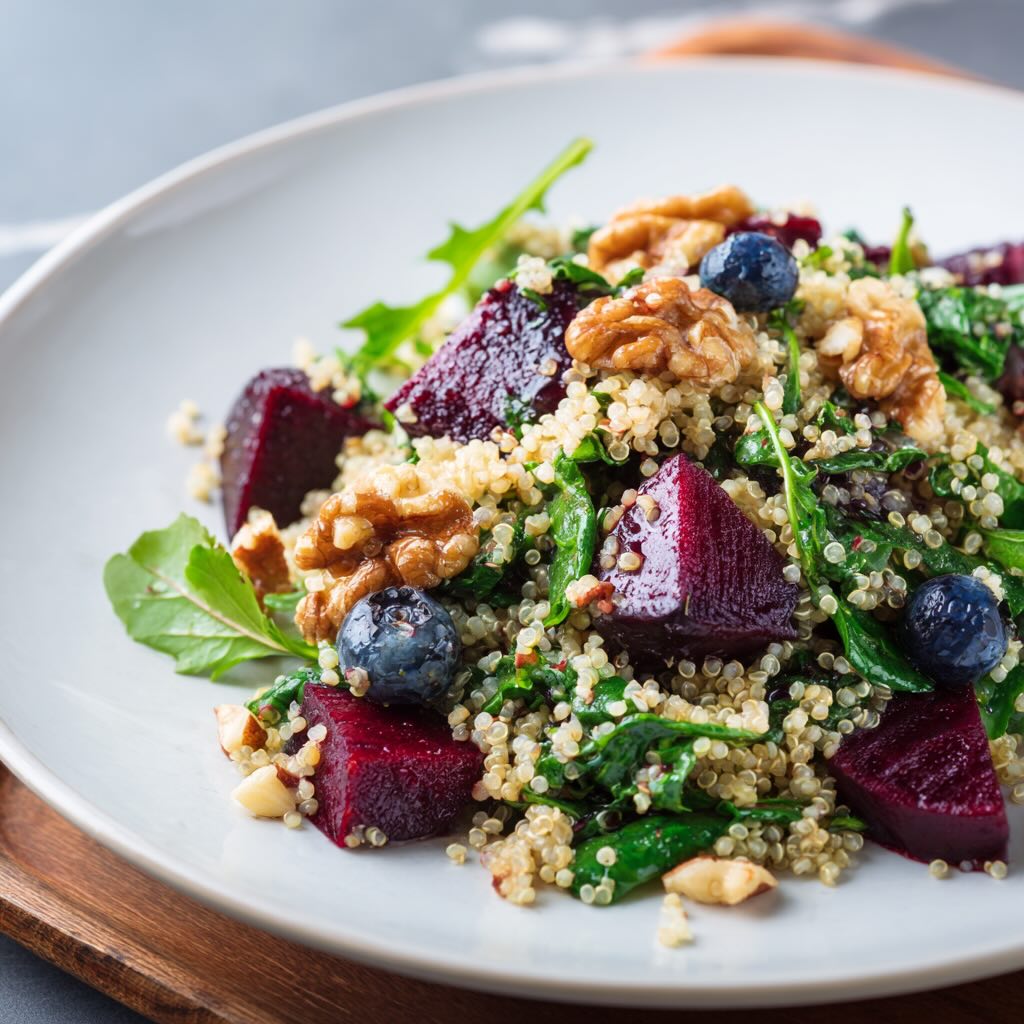
Mitochondrial Power Bowl
A nitrate-rich, polyphenol-dense bowl combining leafy greens, beets, berries, nuts, and early harvest olive oil

Salmon & Grated Beetroot Toast (with Lemon)
A fast, brain-forward open sandwich combining omega-3 rich salmon, nitrate/polyphenol beetroot, and lemon acidity for a sharp, savoury bite.
Foods
1 food containing this substance
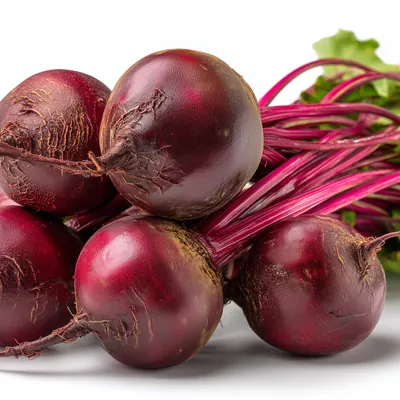
Beetroot
Root vegetable providing dietary nitrate and betalain pigments
Biological Mechanisms and Implications
References
- Dietary nitrates from beetroot and leafy greens convert to nitric oxide, supporting vascular function and mitochondrial efficiency
- Nitrate conversion to nitric oxide is enhanced by oral bacteria; consuming nitrate-rich vegetables with leafy greens can support this pathway
- Raw or lightly cooked vegetables preserve nitrate content better than boiling, which may reduce nitrate levels
- Nitric oxide supports cerebral blood flow and vascular function, enhancing oxygen and nutrient delivery to brain tissue