Phosphorus (Phosphate)
PO₄³⁻
Overview
Phosphorus is a major macromineral whose biologically active form is usually phosphate (PO₄³⁻). Nutrition tables list phosphorus (elemental content), but inside cells phosphate groups power energy transfer, build membrane phospholipids, and form the backbone of DNA and RNA. For the BRAIN Framework, phosphorus is among the most structurally important minerals: ATP is adenosine triphosphate, phosphocreatine stores high-energy phosphate for rapid neuronal demand, and neuronal membranes are built from phospholipids synthesised via pathways such as the Kennedy pathway. Dietary phosphorus is abundant in protein-rich foods, dairy, fish, legumes, and whole grains; absorption is generally efficient, though excess processed phosphate additives may skew intake patterns.
Dietary absorption and meal context
- Physiologic form: Listed as phosphorus in food tables; functionally expressed as inorganic phosphate and organic phosphate esters (ATP, phospholipids, nucleic acids).
- Naming parallel: Sodium → Na⁺, potassium → K⁺, phosphorus → phosphate (PO₄³⁻) in biochemical context.
- Food-first pattern: Protein-containing whole foods, dairy, fish, eggs, legumes, and nuts supply phosphorus within balanced meals; highly processed foods may add inorganic phosphate additives.
- Balance note: Phosphorus status interacts with calcium and vitamin D in bone mineralisation; renal disease can dysregulate phosphate handling — distinct from typical dietary sufficiency in healthy adults.
Recipes
11 recipes containing this substance
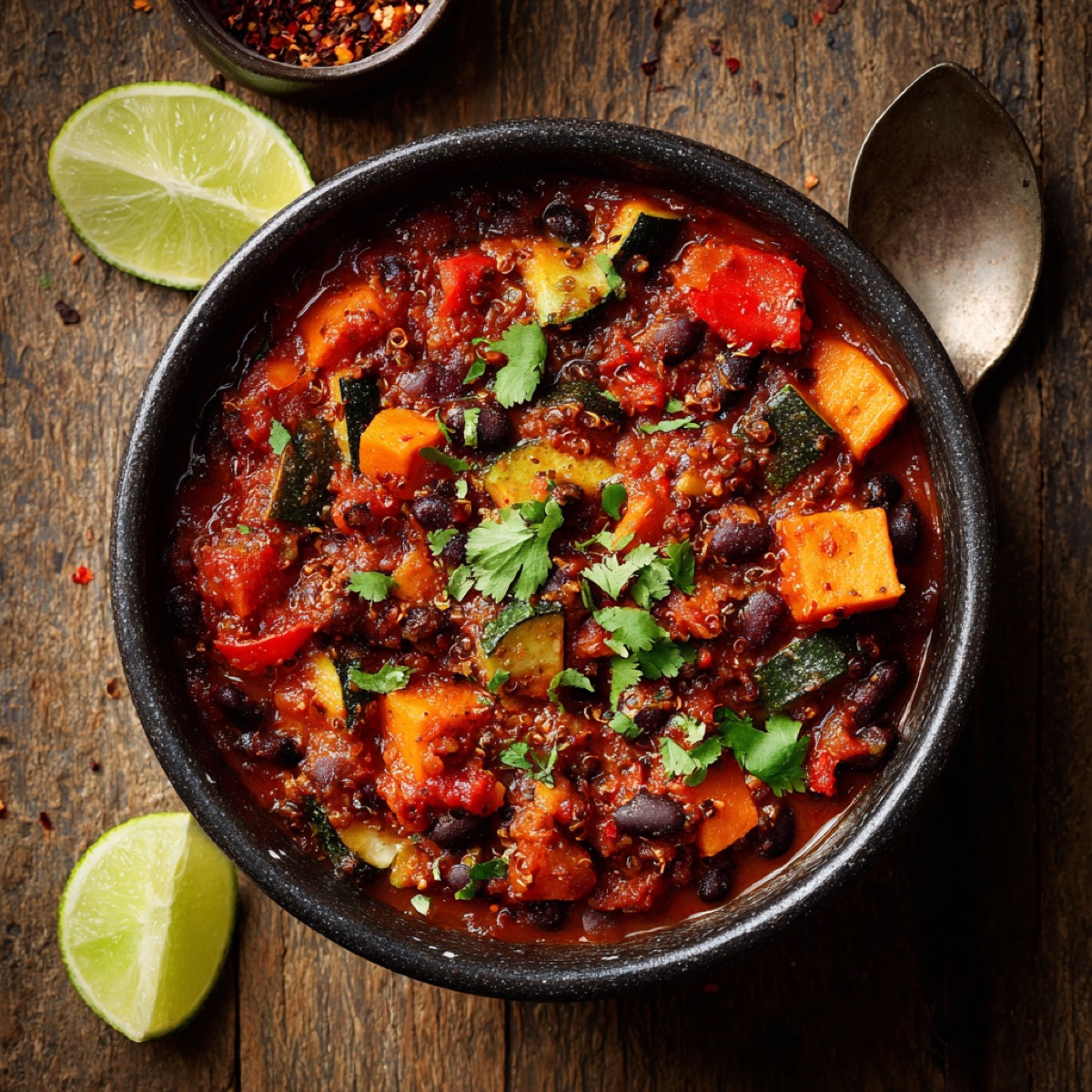
Black Bean & Sweet Potato Vegetable Chilli
A fibre-rich bean and vegetable chilli with warming spices and slow carbohydrates for steady energy and satiety.
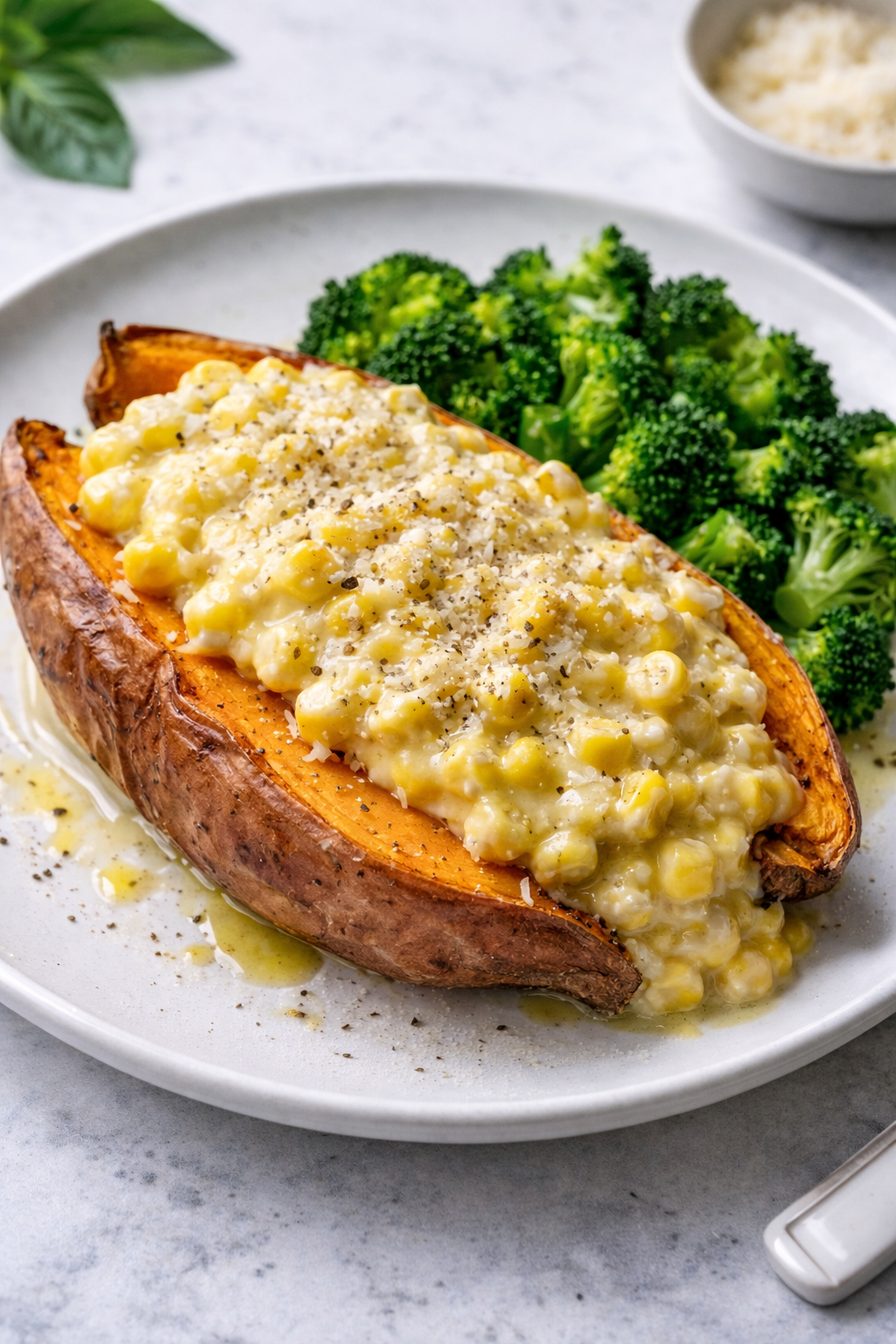
Creamed Corn on Roasted Sweet Potato
Roasted sweet potato with creamed corn and a mixed lipid phase to enhance carotenoid absorption; served with broccoli for fibre and glucosinolates.
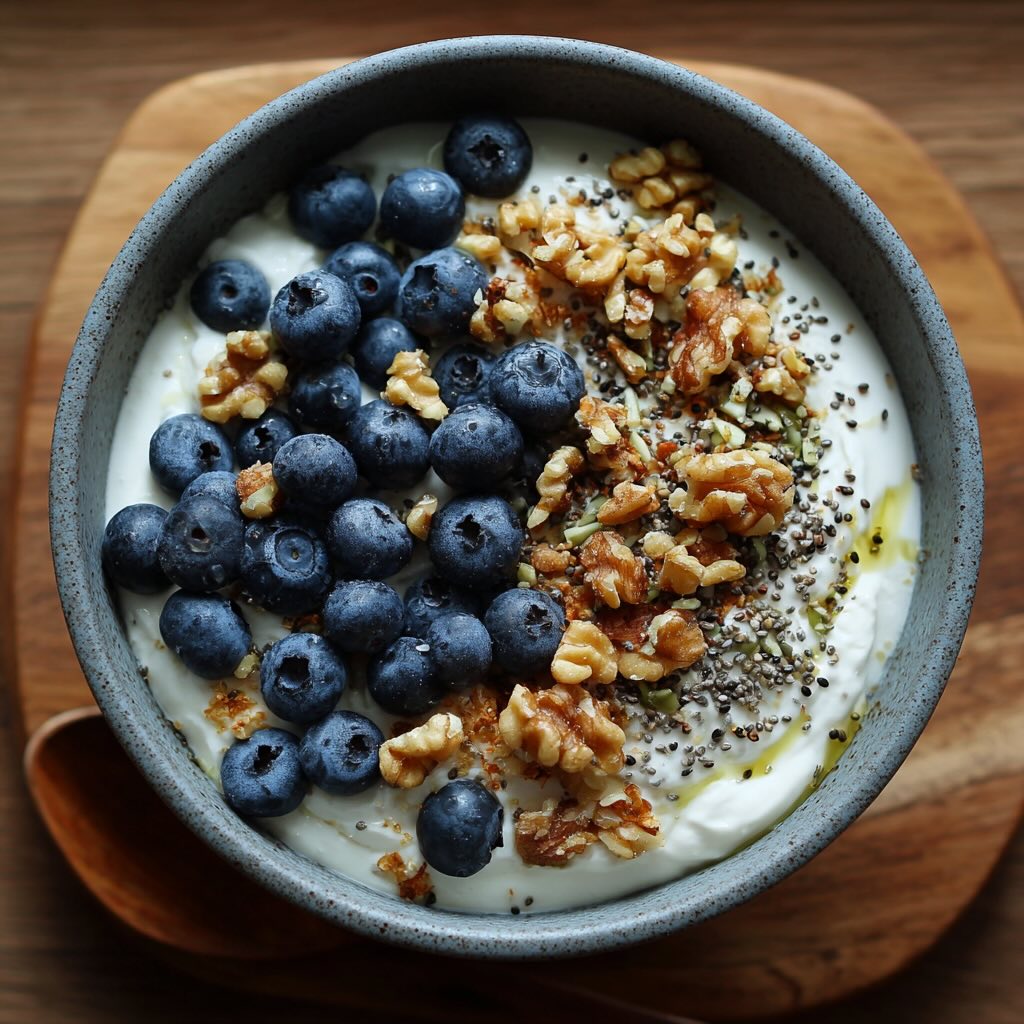
Ginger Yogurt and Blueberries
A polyphenol-rich breakfast bowl with high fibre, combining ginger, omega-3 nuts, blueberry polyphenols, and probiotic yogurt.
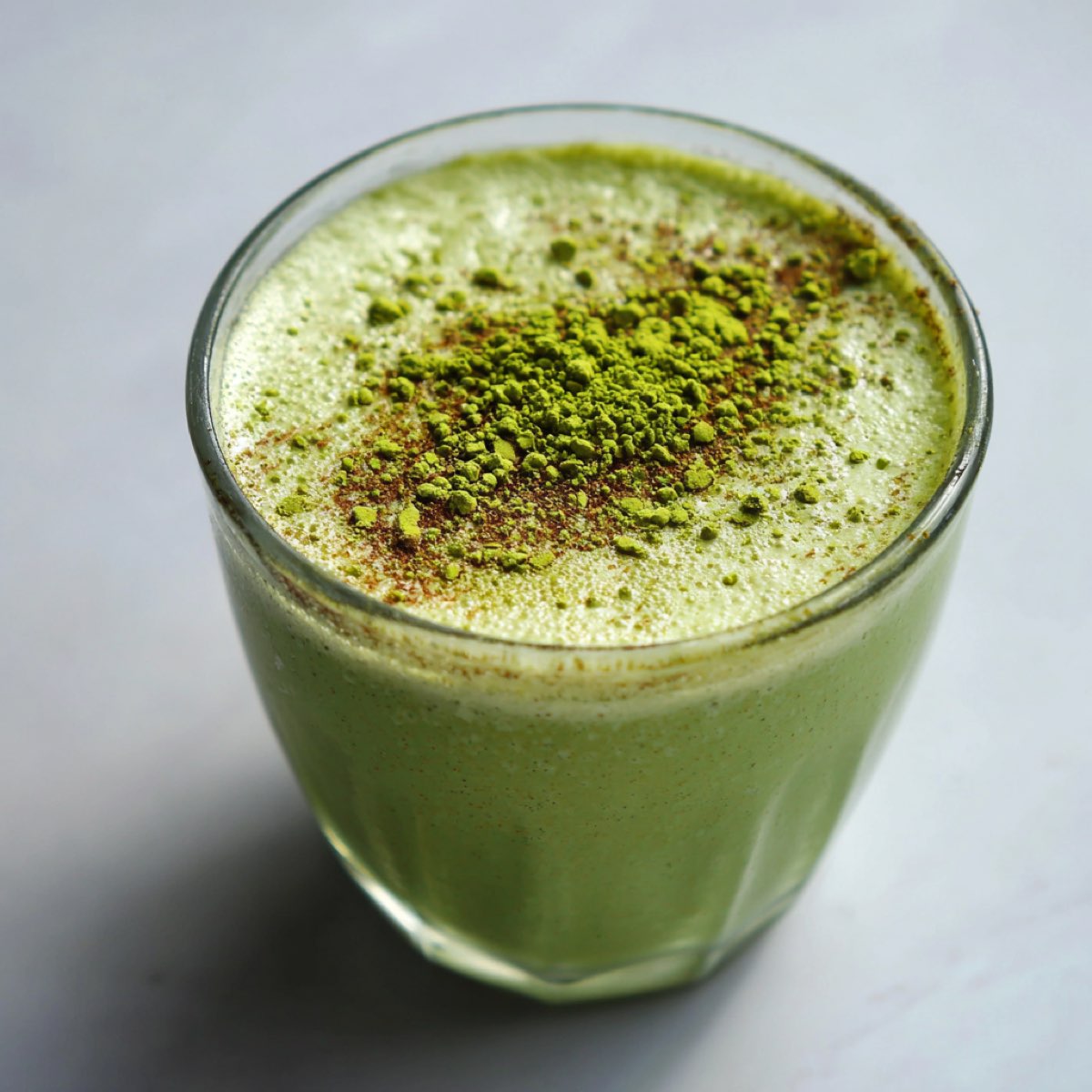
Matcha Mitochondria Smoothie
Mitochondrial energising smoothie rich in polyphenols, magnesium, and antioxidants
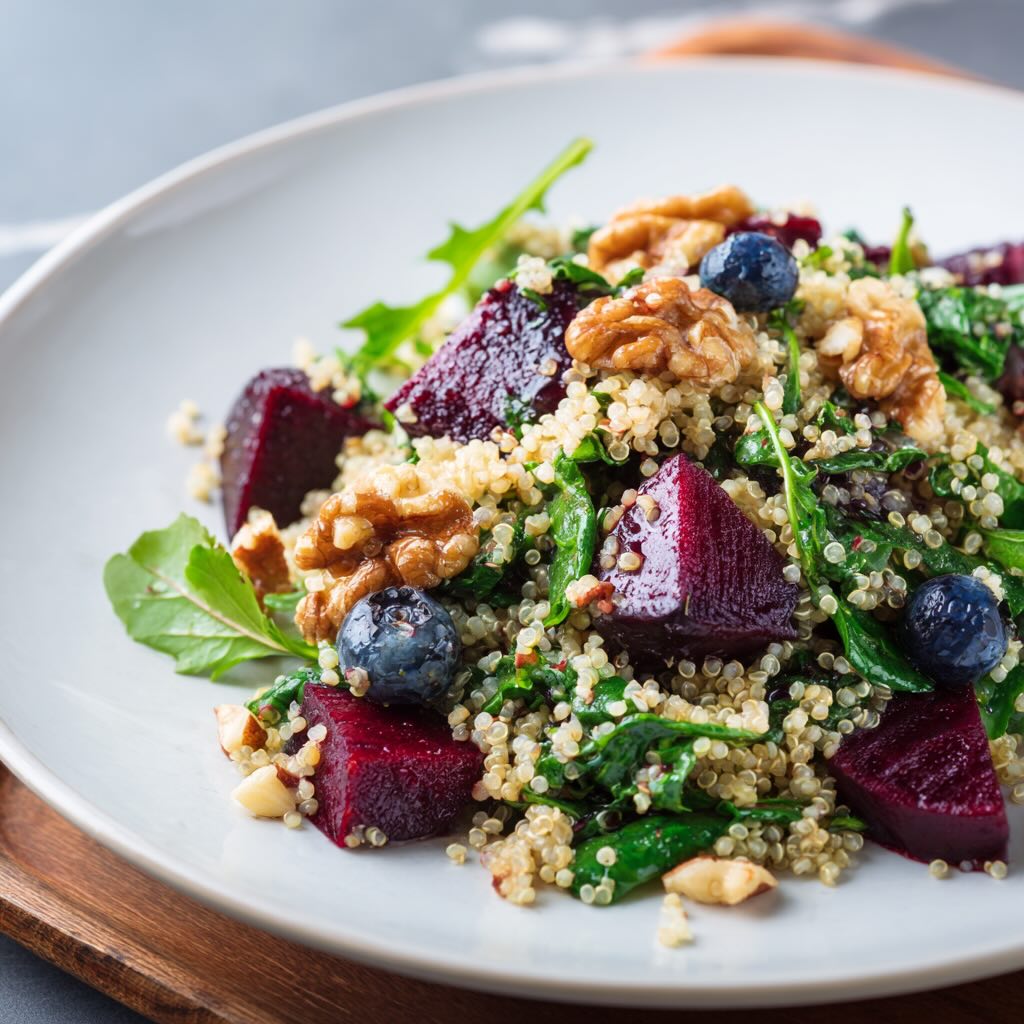
Mitochondrial Power Bowl
A nitrate-rich, polyphenol-dense bowl combining leafy greens, beets, berries, nuts, and early harvest olive oil
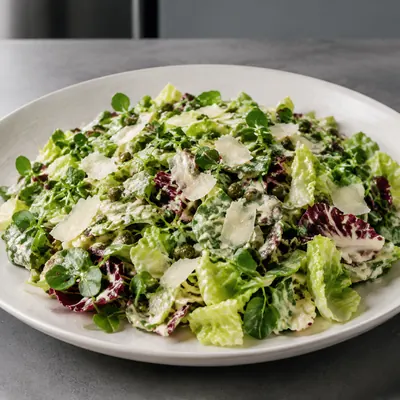
Mixed-Leaf Tahini Caesar Salad
A Caesar-style mixed-leaf salad with a tahini, anchovy, caper and Parmesan dressing, using extra virgin olive oil retained from oil-packed capers.
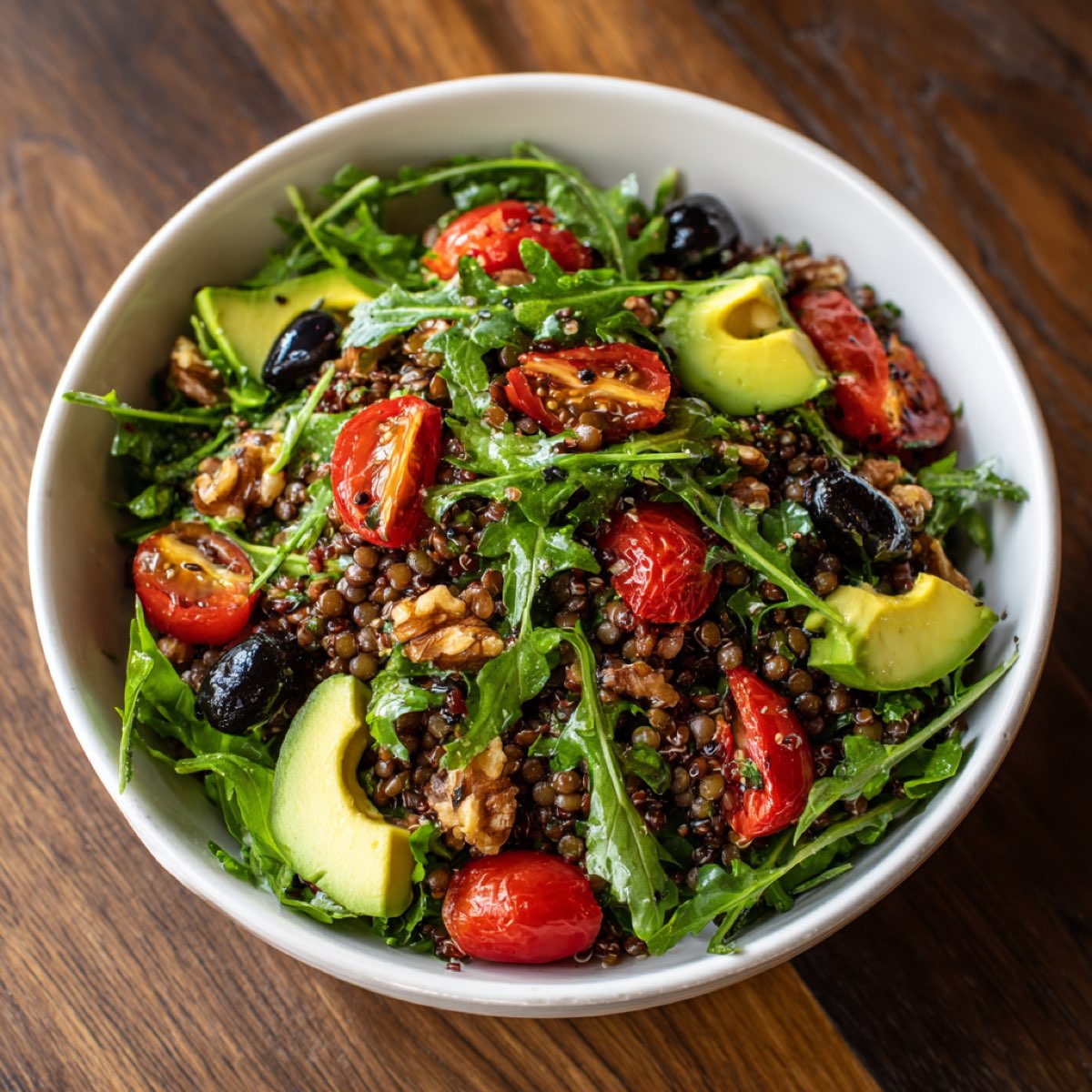
Rocket Lentil Avocado Midday Salad (Gut-Supporting)
Polyphenol-rich midday salad with quinoa or lentils, vegetables, avocado, and early harvest olive oil
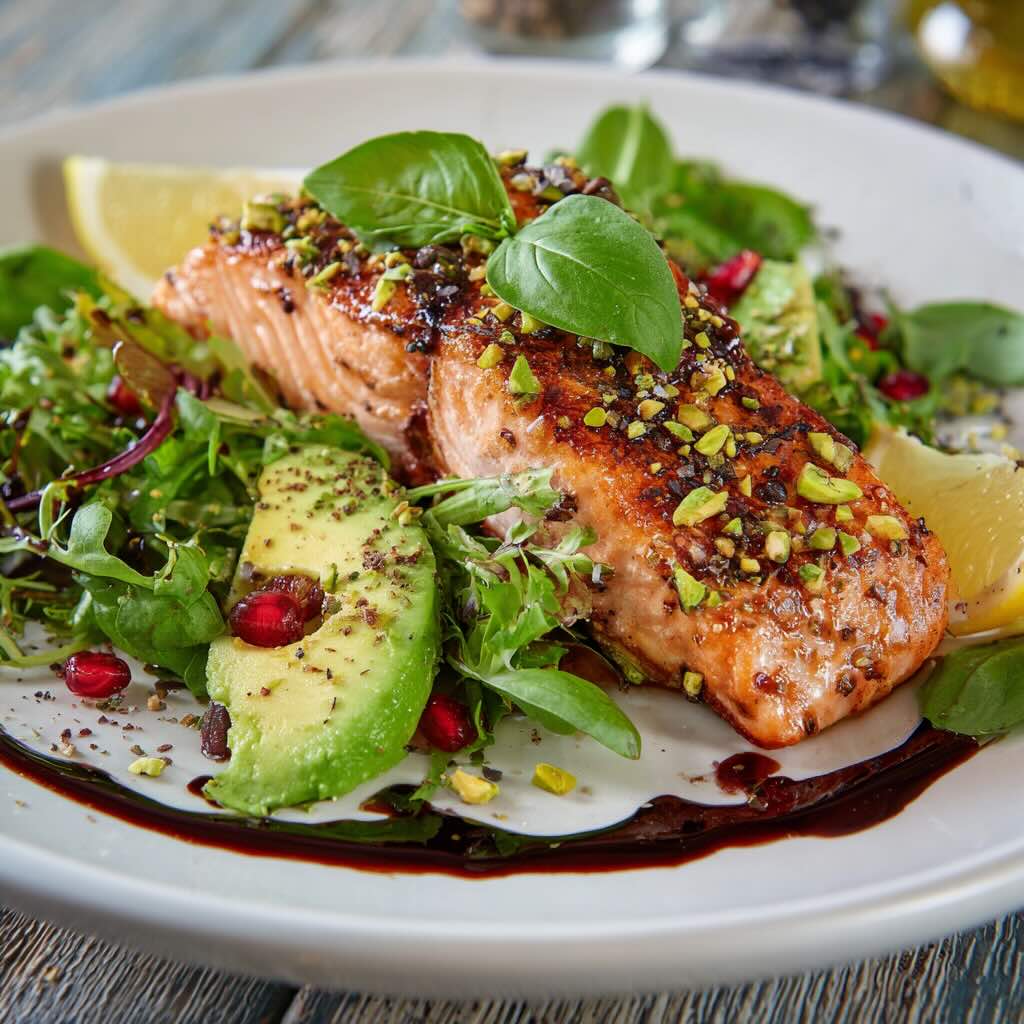
Salmon Bowl-pistachio-cacao-nibs
A Mediterranean-style bowl combining salmon, avocado, pistachios, cacao nibs, and early harvest olive oil — rich in omega-3 fats, polyphenols, and fibre.
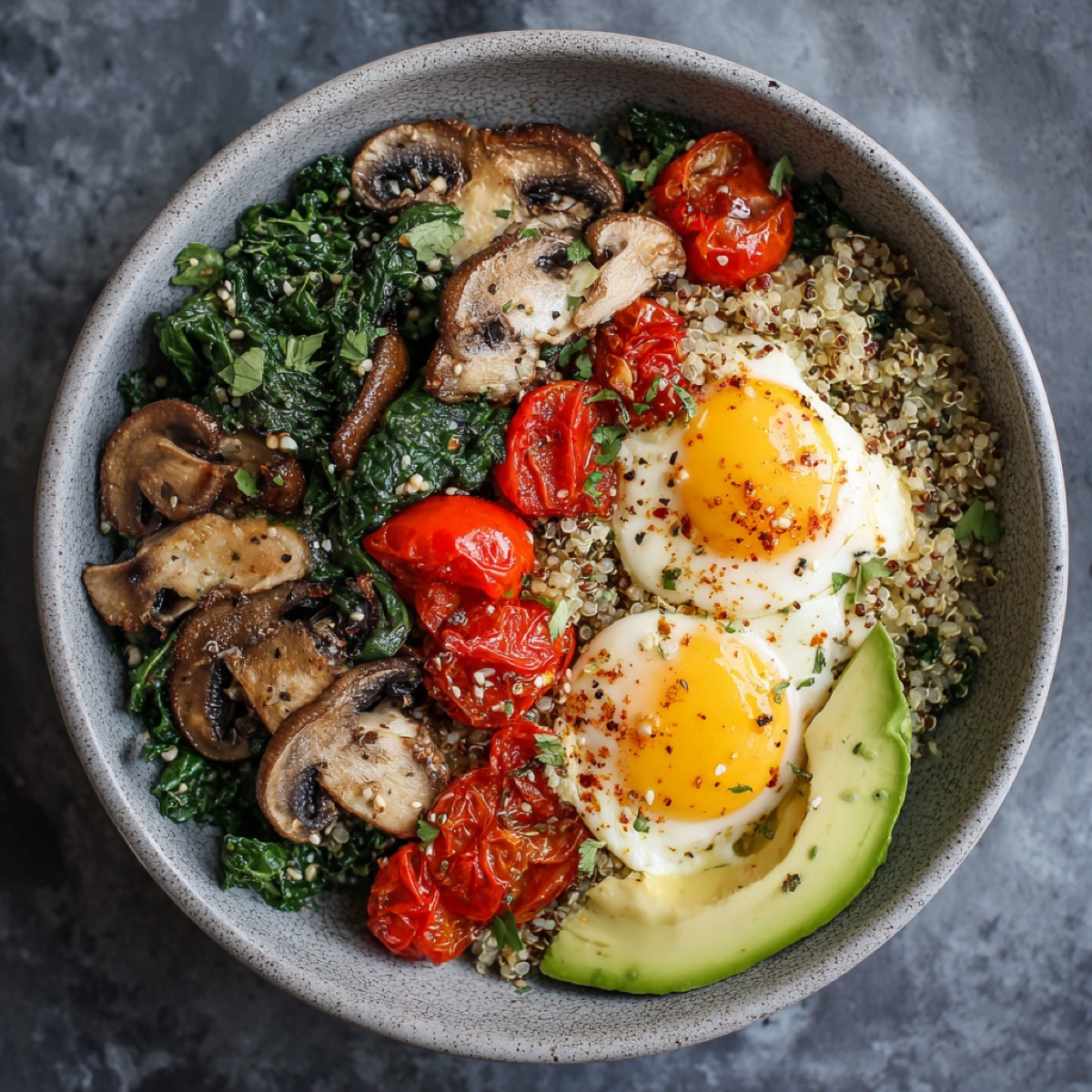
Savoury Greens & Egg Breakfast Skillet
A warm savoury breakfast skillet with eggs, greens, and slow carbohydrates for steady morning energy.
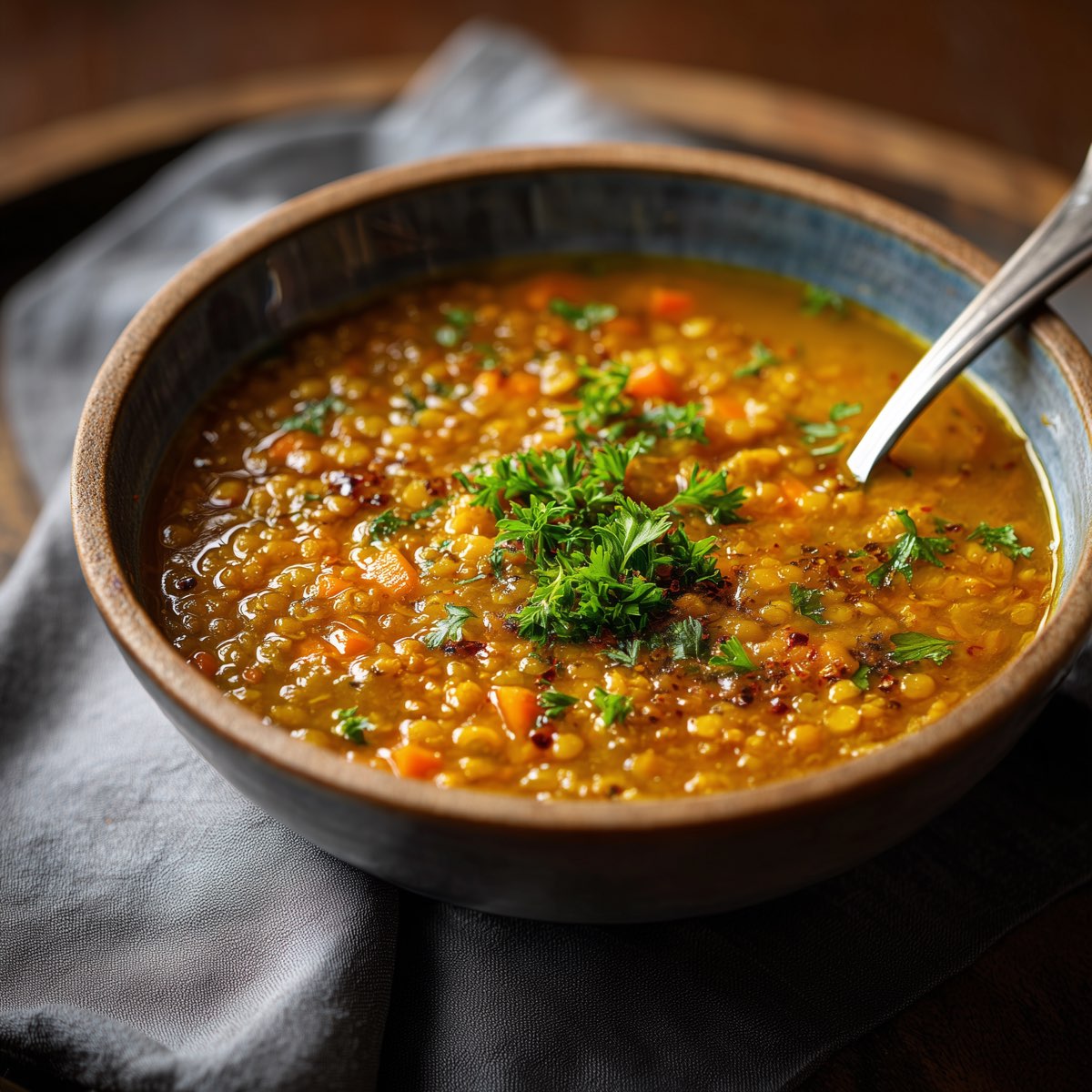
Turmeric Lentil Dahl
Turmeric- and ginger-spiced lentil dish rich in fibre, folate, and polyphenols

Turmeric Milk
A warming drink combining turmeric (curcumin) with milk/fat for enhanced curcumin absorption
Foods
17 foods containing this substance
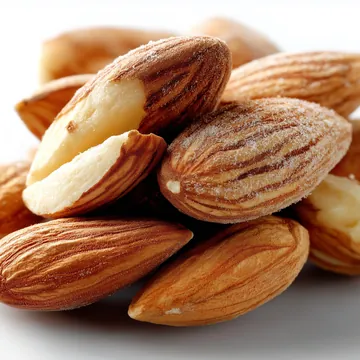
Almonds
Nutrient-dense nut providing vitamin E, magnesium, fibre and unsaturated fats
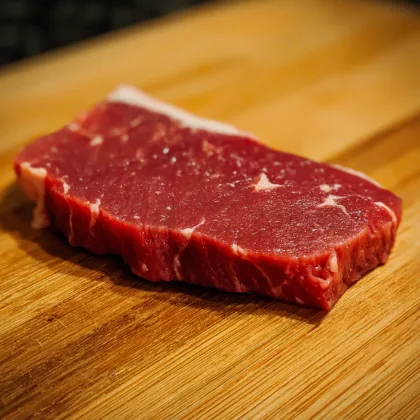
Beef
High creatine, CoQ10, and bioavailable heme iron
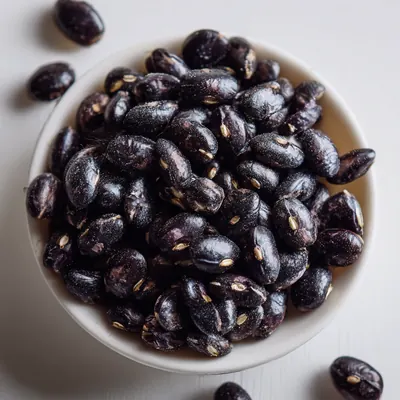
Black Beans
Legume with polyphenols and protein; optimal soaking conditions detailed
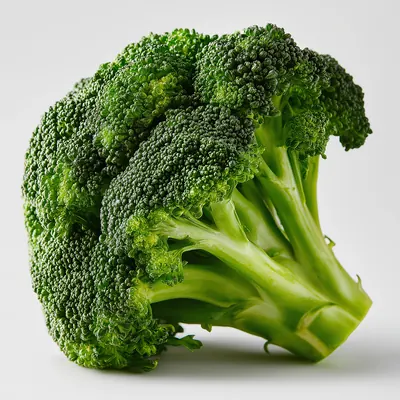
Broccoli
Cruciferous vegetable rich in sulforaphane, folate, and glutathione precursors

Cashews
Plant protein and zinc source
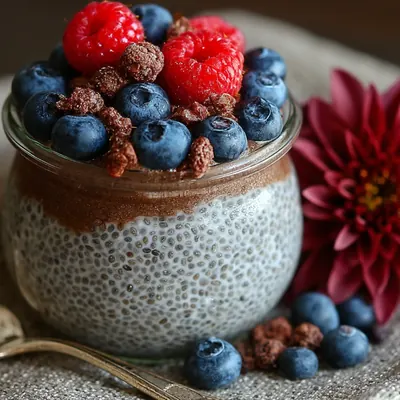
Chia Seeds
ALA omega-3, fiber, and minerals

Chicken
Niacin, zinc, and tryptophan
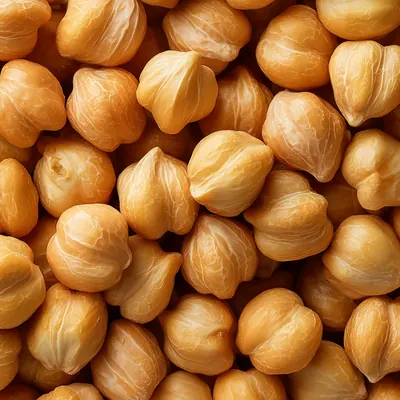
Chickpeas
Legume providing protein, fiber, folate, magnesium, and B6

Kale
Leafy green rich in iron, magnesium, zinc, quercetin, and carotenoids

Milk
Complete protein, nicotinamide riboside, and calcium

Peanuts
Niacin, resveratrol, and plant protein for NAD+ and mitochondrial support

Quinoa
Pseudograin with magnesium, iron, and balanced plant protein

Spinach
Leafy green rich in iron, magnesium, folate, and carotenoids

Sunflower Seeds
Thiamine source and sunflower lecithin precursor

Tempeh
Fermented soy providing probiotics and enhanced nutrient bioavailability

Tofu
Soy-based protein source with isoflavones and choline

Walnuts
ALA omega-3, polyphenols, and ellagitannins for urolithin A production
Biological Mechanisms and Implications
| Biological Target | Therapeutic Areas | Mechanism of Action |
|---|---|---|
| BRS1 - Neurotransmitter Regulation | — | Neuronal membranes depend on phosphate-containing phospholipids — phosphatidylcholine, phosphatidylserine, and phosphatidylethanolamine — for fluidity, receptor function, and synaptic competence |
| BRS4 - Mitochondrial Function & Bioenergetics | — | Phosphate is the structural backbone of ATP (adenosine triphosphate) and phosphocreatine; without adequate phosphate, oxidative phosphorylation, energy transfer, and rapid high-demand buffering fail across neuronal and mitochondrial systems |
| BRS6 - Metabolic & Neuroendocrine Regulation | — | Protein phosphorylation and dephosphorylation are central regulatory switches in insulin, stress, and growth-factor signalling pathways that shape metabolic and neuroendocrine state |
References
- Phosphate is fundamental to ATP generation, phosphocreatine buffering, phospholipid membrane structure, and nucleic acid chemistry; brain phosphorus is concentrated in phospholipids Rroji et al. 2022
- NAD⁺ and oxidative phosphorylation depend on phosphate flux through mitochondrial ATP synthesis; niacin-rich dietary patterns support NAD⁺ availability for neuronal energy metabolism Pirinen et al. 2020
- Creatine supports ATP recycling via the phosphocreatine phosphate buffer, particularly under high cognitive or energy demand Avgerinos et al. 2018
- Phosphatidylcholine and phosphatidylethanolamine are major neuronal phospholipids synthesised through the Kennedy pathway Gibellini and Smith 2010
- Greater frontal ATP levels (high-energy phosphate chemistry) correlate with better cognitive performance in healthy older adults Lopez et al. 2023