Savoury Greens & Egg Breakfast Skillet
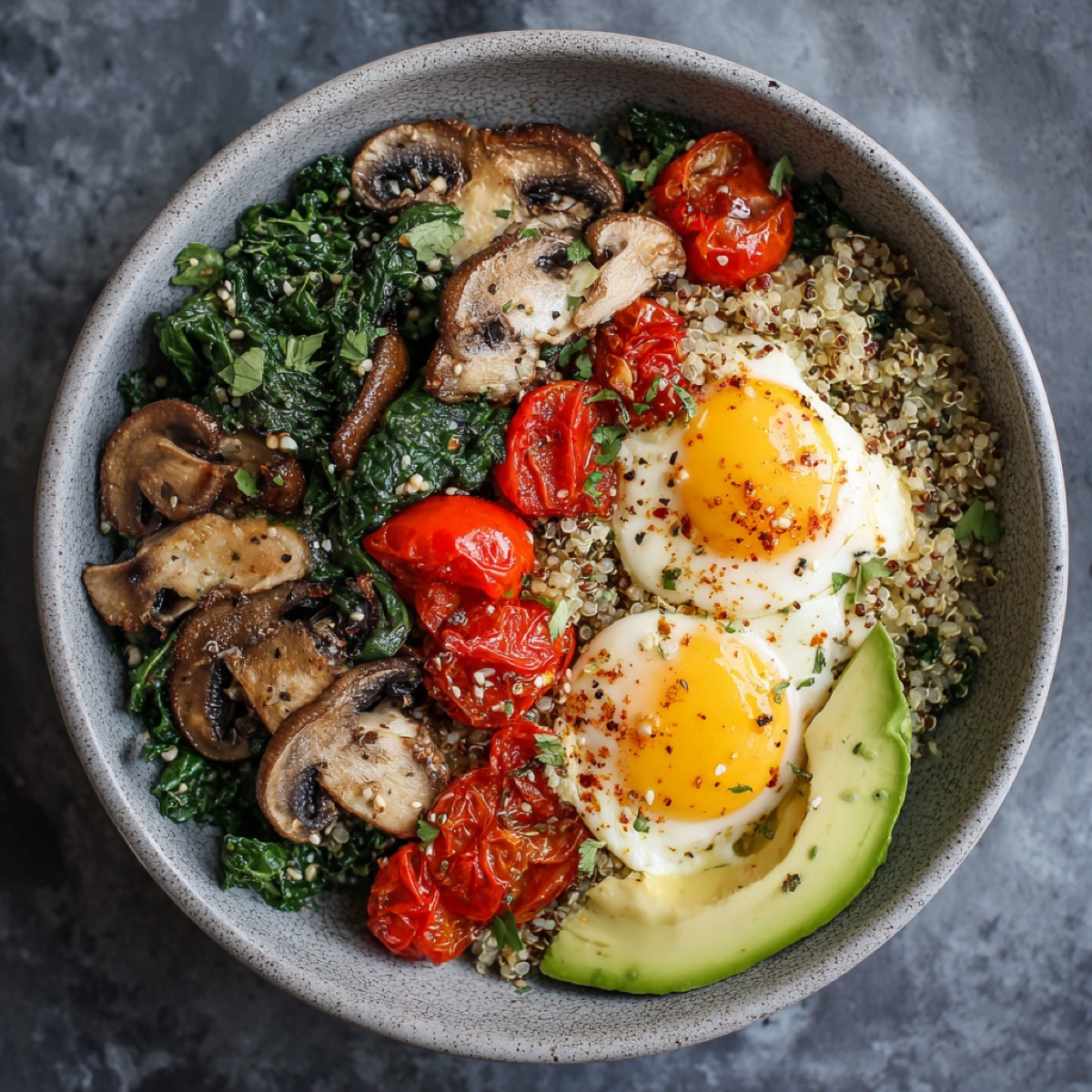
Overview
A warm, savoury breakfast built around eggs, greens, and whole-food carbohydrates. This skillet provides a balanced combination of protein, fibre, and healthy fats to support steady morning energy and satiety.
Ingredients (1 serving)
Vegetables
- 100 g (3.5 oz) mushrooms, sliced
- 60–80 g spinach or kale
- 80 g (2.8 oz) cherry tomatoes, halved
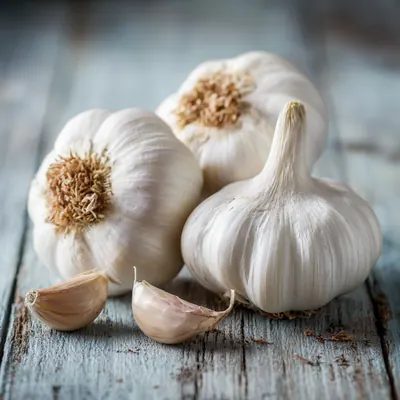
- 1 clove garlic, minced
Protein
- 2 large eggs
Healthy fats
- 10 ml (2 tsp) extra virgin olive oil
Slow carbohydrate base (choose one)
- 120 g (4.2 oz) cooked quinoa
or - 120 g (4.2 oz) cooked buckwheat
Seasoning
- Pinch sea salt
- Pinch black pepper
- ½ tsp smoked paprika
Optional
- Slices of avocado
- Small side of sauerkraut or kimchi
Nutrition calculation uses spinach and quinoa as the default combination.
Method
- Heat the olive oil in a skillet over medium heat.
- Add the sliced mushrooms and cook for 3–4 minutes until lightly browned.
- Add the garlic, cherry tomatoes, salt, pepper, and smoked paprika; cook for 1–2 minutes until fragrant.
- Add the spinach or kale and cook until just wilted.
- Push the vegetables to one side of the pan and crack in the eggs. Cook to your preference (fried, basted, or gently scrambled alongside the vegetables).
- Warm the cooked quinoa or buckwheat in a separate pan or microwave, then place in a bowl as the base.
- Top the grain base with the vegetable and egg mixture. Add avocado slices and sauerkraut or kimchi if using, then serve immediately.
Nutrition
Per serving. Each included ingredient is scaled from a named per-100 g composition record by edible grams. Optional ingredients are excluded. Missing analytical values are not treated as zero.
| Nutrient | Per serving |
|---|---|
| Energy | 430 kcal |
| Protein | 24 g |
| Carbohydrates | 37 g |
| Sugars | 5.9 g |
| Fibre | 7.3 g |
| Total fat | 22 g |
| Saturated fat | 4.8 g |
| Sodium | 220 mg |
Sodium excludes salt added to taste.
Key vitamins and minerals
| Nutrient | Per serving | Reference intake |
|---|---|---|
| Vitamin K | 350 µg | 293% AI |
| Vitamin B2 | 1.2 mg | 89% RDA |
| Copper | 0.78 mg | 86% RDA |
| Selenium | 45 µg | 81% RDA |
| Phosphorus | 530 mg | 75% RDA |
| Manganese | 1.6 mg | 70% AI |
| Folate | 260 µg | 66% RDA |
| Choline | 360 mg | 65% AI |
Vitamins and minerals supplying at least 15% of an adult reference intake, plus explicitly featured design-relevant nutrients, up to eight. RDA is a recommended dietary allowance; AI is an adequate intake, used where the evidence does not support an RDA. Nutrients below the threshold are still calculated and still count towards a daily total; a featured row is not a claim that the serving supplies a complete daily dose.
Bioactive compounds
| Compound | Per serving |
|---|---|
| DHA | 76 mg |
| Kaempferol | Present — quantity not established |
| Betaine | 110–130 mg/100 g in frozen spinach |
| Allicin | Present |
These compounds have no recognised intake target, so quantified amounts are shown without a percentage. A presence-only entry is carried from a supported food relationship and is not converted into an invented serving amount.
Calculation details
| Ingredient | Weight used | Composition record |
|---|---|---|
| 100 g mushrooms, sliced | 100 g | USDA FDC 169251 — Mushrooms, white, raw |
| 60–80 g spinach | 70 g | USDA FDC 168462 — Spinach, raw |
| 80 g cherry tomatoes, halved | 80 g | USDA FDC 170457 — Tomatoes, red, ripe, raw |
| 1 clove garlic, minced | 3 g | USDA FDC 169230 — Garlic, raw |
| 2 large eggs | 100 g | USDA FDC 171287 — Egg, whole, raw, fresh |
| 10 ml (2 tsp) extra virgin olive oil | 9 g | USDA FDC 171413 — Oil, olive, salad or cooking |
| 120 g cooked quinoa | 120 g | USDA FDC 168917 — Quinoa, cooked |
| ½ tsp smoked paprika | 1.1 g | USDA FDC 171329 — Spices, paprika |
Mainly from:
- Energy: 120 g cooked quinoa, Eggs
- Protein: Eggs, 120 g cooked quinoa
- Carbohydrates: 120 g cooked quinoa
- Sugars: Tomatoes, White/Button Mushroom
- Fibre: 120 g cooked quinoa, Spinach
- Total fat: Eggs, Extra Virgin Olive Oil
- Saturated fat: Eggs, Extra Virgin Olive Oil
- Sodium: Eggs, Spinach
Assumptions and exclusions:
- 60–80 g spinach: midpoint of the stated 60–80 g
- 1 clove garlic, minced: USDA SR Legacy FDC 169230 food_portion: 1 clove = 3 g
- 2 large eggs: USDA SR Legacy FDC 171287 food_portion: 1 large = 50 g; 2 large = 100 g
- 10 ml (2 tsp) extra virgin olive oil: USDA SR Legacy FDC 171413 food_portion: 1 tsp = 4.5 g; 2 tsp = 9 g
- ½ tsp smoked paprika: USDA SR Legacy FDC 171329 food_portion: 1 tsp = 2.3 g; ½ tsp = 1.15 g
- 120 g cooked quinoa: The Quinoa food page records uncooked grain, which is about three times as energy-dense by weight.
- pinch sea salt, pinch black pepper — added to taste, so it is not part of an exact sodium total
- slices of avocado (optional) — optional, no stated quantity
- small side of sauerkraut or kimchi (optional) — optional, no stated quantity
- Spinach and cooked quinoa are the calculated defaults where the recipe offers a choice.
Extra Guidance
- Cooking the grains in advance makes this a very fast weekday breakfast.
- You can swap spinach for kale or other leafy greens depending on what you have.
- Keep heat moderate to avoid over-browning the eggs and vegetables.
Brain Health Notes
- Eggs provide complete protein and choline, a nutrient important for phospholipid membranes and acetylcholine synthesis.
- Leafy greens (spinach or kale) supply folate, magnesium, and carotenoids studied for roles in brain and vascular health.
- Quinoa or buckwheat provide slow-digesting carbohydrates and fibre, which can help support steadier morning glucose patterns compared with refined grains.
- Extra virgin olive oil contributes monounsaturated fats and polyphenols associated with cardiovascular and brain health.
- Fermented sides such as sauerkraut or kimchi add probiotics and postbiotic compounds that complement a fibre-rich diet for gut support.
Explore the foods and substances
Show 11 foods and their substances
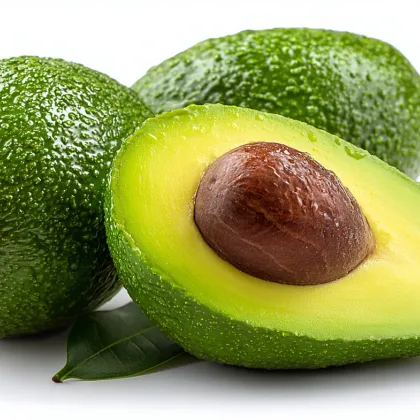
Avocado
Fibre-rich fruit with mostly monounsaturated fat, vitamin E and carotenoids
Substances: Lutein, Oleic Acid (OA, n-9), Potassium, Vitamin E (Tocopherols/Tocotrienols), β-Carotene
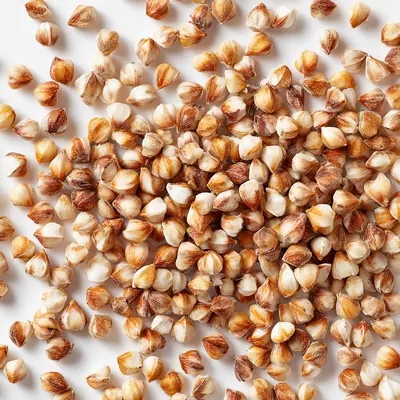
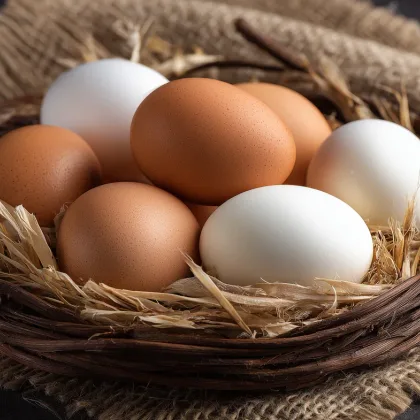
Eggs
Complete protein with choline, B vitamins, and phospholipids
Substances: Choline, Cysteine, Iron, Lutein, Methionine, Selenium, Zeaxanthin, Zinc

Extra Virgin Olive Oil
Polyphenol-rich oil with hydroxytyrosol and anti-inflammatory properties
Substances: Hydroxytyrosol (Olive Polyphenol), Oleacein, Oleocanthal, Tyrosol

Kale
Leafy green providing vitamin C, vitamin K, calcium and carotenoids
Substances: Calcium, Kaempferol, Lutein, Manganese, Quercetin (and Isoquercetin), Vitamin A (Retinoids; β-Carotene precursor), Vitamin B2 (Riboflavin), Vitamin B9 (Folate), Vitamin C (Ascorbate), Vitamin K (Phylloquinone), Zeaxanthin, β-Carotene

Kimchi
Fermented vegetables providing probiotics, GABA, and postbiotic compounds

Quinoa
Pseudograin with magnesium, iron, and balanced plant protein
Substances: Betaine, Choline, Iron, Magnesium, Manganese, Phosphorus (Phosphate), Vitamin B1 (Thiamine), Vitamin B2 (Riboflavin), Vitamin B6 (Pyridoxine → PLP), Vitamin B9 (Folate), Zinc

Sauerkraut
Lacto-fermented cabbage providing live lactic acid bacteria, organic acids, and postbiotic compounds
Substances: Vitamin K2 (MK forms)

Spinach
Leafy green rich in iron, magnesium, folate, and carotenoids
Substances: Betaine, Calcium, Copper, Iron, Kaempferol, Lutein, Magnesium, Manganese, Phosphorus (Phosphate), Potassium, Vitamin A (Retinoids; β-Carotene precursor), Vitamin B1 (Thiamine), Vitamin B2 (Riboflavin), Vitamin B6 (Pyridoxine → PLP), Vitamin B9 (Folate), Vitamin C (Ascorbate), Vitamin K (Phylloquinone), Zeaxanthin, Zinc, β-Carotene

Tomatoes
Lycopene, vitamin C, and food matrix effects on absorption
Substances: Lycopene, Potassium, Vitamin C (Ascorbate)