EGCG (Green Tea Catechin)
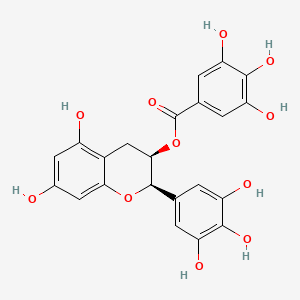
Overview
EGCG (epigallocatechin gallate) is the most abundant and biologically active catechin polyphenol in green tea. It supports gut barrier integrity, modulates the microbiome by promoting beneficial bacteria and inhibiting harmful ones, and contributes to anti-inflammatory and antioxidant effects. EGCG works synergistically with other green tea polyphenols and dietary components to support brain health, glucose regulation, and overall metabolic function.
Recipes
1 recipe containing this substance
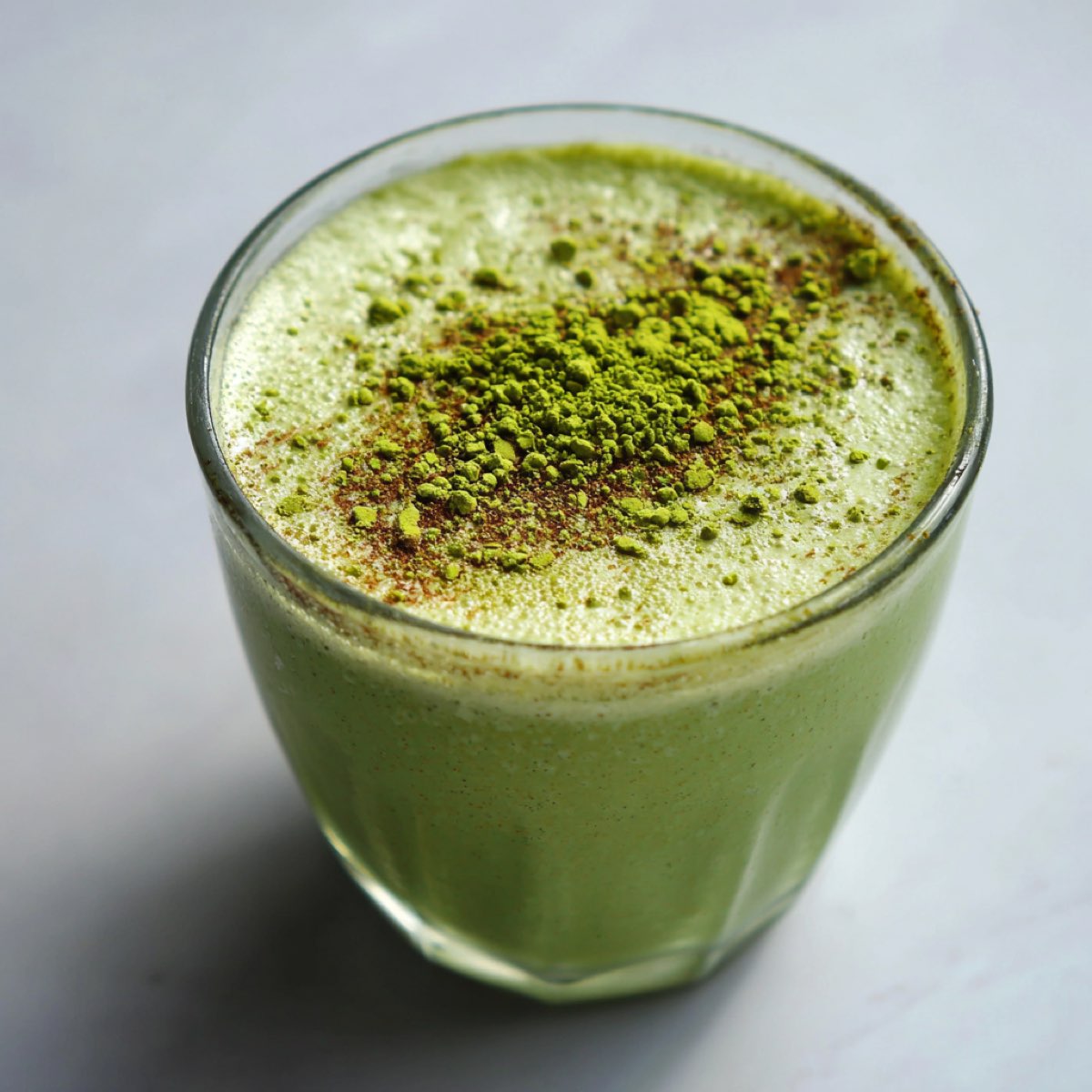
Matcha Mitochondria Smoothie
Mitochondrial energising smoothie rich in polyphenols, magnesium, and antioxidants
Foods
1 food containing this substance

Green Tea
Source of EGCG, L-theanine, and polyphenols for cognitive and metabolic support
Biological Mechanisms and Implications
| Biological Target | Therapeutic Areas | Mechanism of Action |
|---|
References
- Green tea catechins (e.g., EGCG, EGC) contribute to visceral adipose tissue reduction and neuroprotective effects in Green Mediterranean Diet studies Zelicha et al. 2022
- Green Mediterranean Diet attenuated brain atrophy by ~50%, with glycemic control contributing to the neuroprotective signal, consistent with polyphenol–fibre–microbiome synergy Pachter et al. 2024
- Green tea catechins increase Faecalibacterium and Roseburia; inhibit Enterobacteriaceae; reduce NF-κB activation