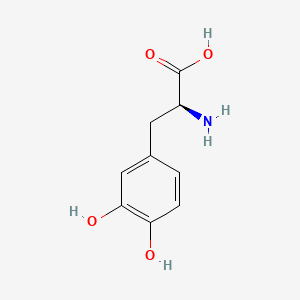
L-DOPA
Overview
L-DOPA (levodopa) is a direct precursor to dopamine that bypasses the rate-limiting tyrosine hydroxylase step in dopamine synthesis. Unlike tyrosine, which requires conversion through multiple enzymatic steps, L-DOPA can be directly converted to dopamine via aromatic L-amino acid decarboxylase (AADC), making it a more direct pathway to support dopamine availability. L-DOPA is naturally found in mucuna beans (Mucuna pruriens) and is used therapeutically in Parkinson's disease. In the context of the BRAIN Diet, mucuna beans provide a natural source of L-DOPA to support dopamine synthesis pathways, which are critical for attention, motivation, and executive function.
Recipes
Foods
Biological Mechanisms and Implications
| Biological Target | Therapeutic Areas | Mechanism of Action |
|---|---|---|
| Neurotransmitter Regulation | Direct precursor to dopamine synthesis; bypasses rate-limiting tyrosine hydroxylase step; supports dopamine availability for attention, motivation, and executive function |
References
- The implementation of the BRAIN diet must go beyond a standard nutrient density focus, it's about choosing foods for their specific bioactive potential: mucuna beans for natural L-DOPA Gasmi et al. 2022
- L-DOPA is a direct precursor to dopamine that bypasses the rate-limiting tyrosine hydroxylase step
- Supports dopamine synthesis pathways critical for attention, motivation, and executive function