Saffron (Crocin, Safranal)
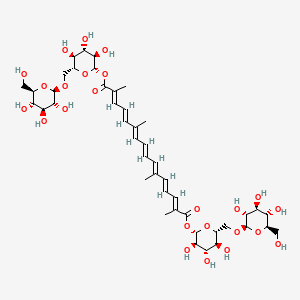
Overview
Saffron is a spice derived from the Crocus sativus flower, containing bioactive compounds including crocin and safranal. It is thought to support mood regulation through effects on serotonin signaling and exhibits antioxidant properties through its crocin content. Saffron's delicate volatile oils, particularly safranal, are highly sensitive to heat, light, and oxidation, requiring careful preparation to preserve their bioactive potency. While saffron has a distinct flavor that limits its culinary uses, it represents a valuable bioactive compound for supporting mood, cognition, and overall brain health.
Recipes
2 recipes containing this substance

Roast Duck Breast with Berry Sauce
A rich main dish built around crisp-skinned duck breast with a bright blueberry and raspberry sauce, designed to balance richness with acidity and aromatic depth.

Saffron Roast Potatoes
Crisp roast potatoes finished with saffron-infused olive oil, designed to maximise colour, flavour and texture while remaining adaptable to many main dishes.
Foods
1 food containing this substance

Saffron
Spice with crocin and safranal for mood and cognitive support
Biological Mechanisms and Implications
| Biological Target | Therapeutic Areas | Mechanism of Action |
|---|---|---|
| Inflammation & Oxidative Stress | Anti-inflammatory effects | |
| Neurotransmitter Regulation | Thought to boost serotonin; supports mood regulation and cognitive function | |
| Oxidative Stress | Contains antioxidant crocin; supports antioxidant defenses |
References
- Saffron has shown promising effects on depression, mood, cognition, and ADHD symptoms at doses around 30 mg/day of standardized extract Lopresti and Drummond 2014
- A recent comparative review summarises saffron’s neurotransmitter, anti-inflammatory, and neuroprotective mechanisms, and finds its effectiveness for mild to moderate depression comparable to standard antidepressants with a favourable safety profile Chauhan et al., 2024
- Saffron extract supplementation improves mood, well-being, and response to psychosocial stressor in healthy adults Jackson et al. 2021
- Saffron has shown promising effects on ADHD symptoms at doses around 30 mg/day Baziar et al. 2019
- Saffron is thought to boost serotonin and contains antioxidant crocin; delicate oils such as safranal are highly sensitive to heat, light, and oxidation