Oxidative Stress
Overview
Oxidative stress is a biological dysfunction that contributes to cognitive, emotional, and behavioral dysregulation in ADHD and other neurodevelopmental conditions. Oxidative stress arises when reactive oxygen/nitrogen species (ROS/RNS) exceed antioxidant capacity, damaging lipids, proteins, DNA, and impairing mitochondrial efficiency. In ADHD, adult cohorts frequently show elevated lipid peroxidation and oxidative indices, while antioxidant status appears normal or variably shifted, consistent with greater oxidative load rather than a primary antioxidant deficit. The BRAIN Diet targets oxidative stress through antioxidant networks, key cofactors, and strategies to reduce oxidative load, treating oxidative stress as a state-sensitive, potentially modifiable contributor to symptom severity (paper.txt, lines 619-620).
Recipes
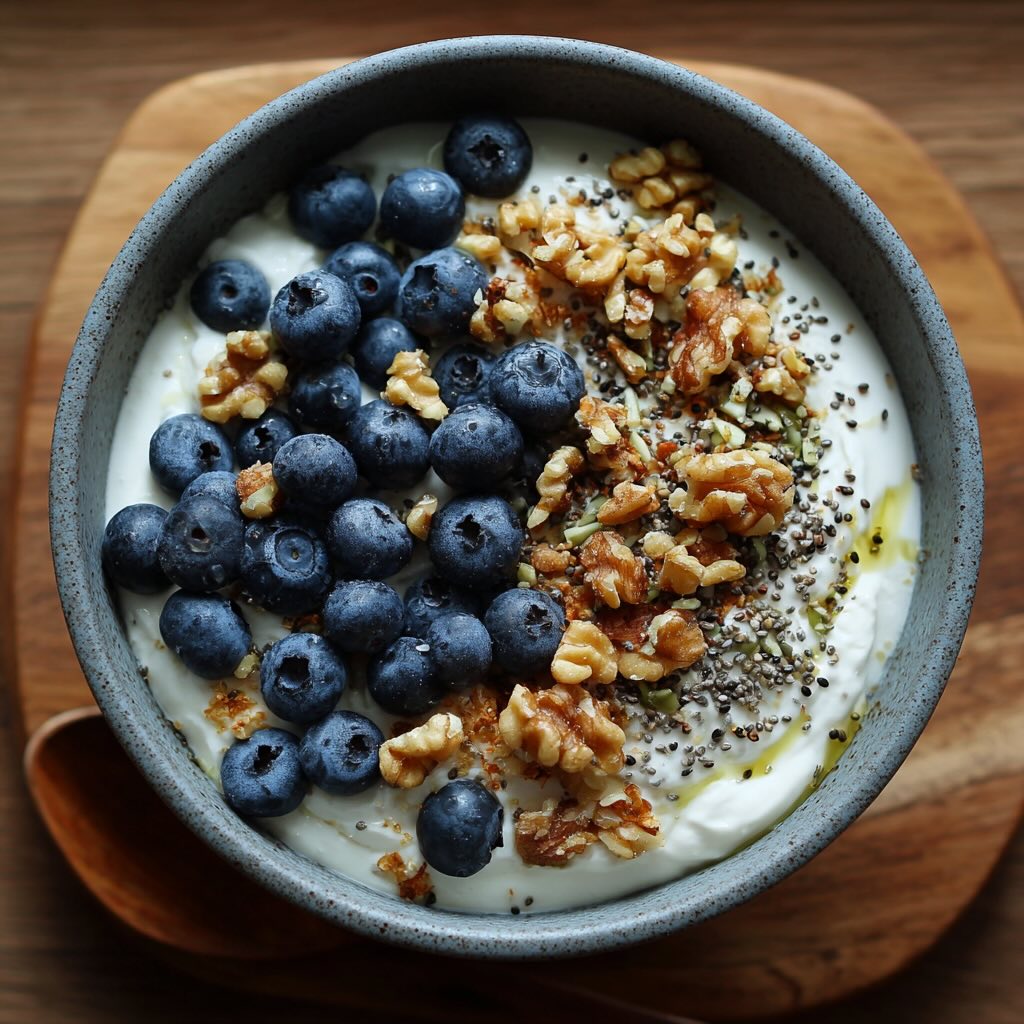
Ginger Yogurt and Blueberries
A polyphenol-rich breakfast bowl with high fibre, combining ginger, omega-3 nuts, blueberry polyphenols, and probiotic yogurt.
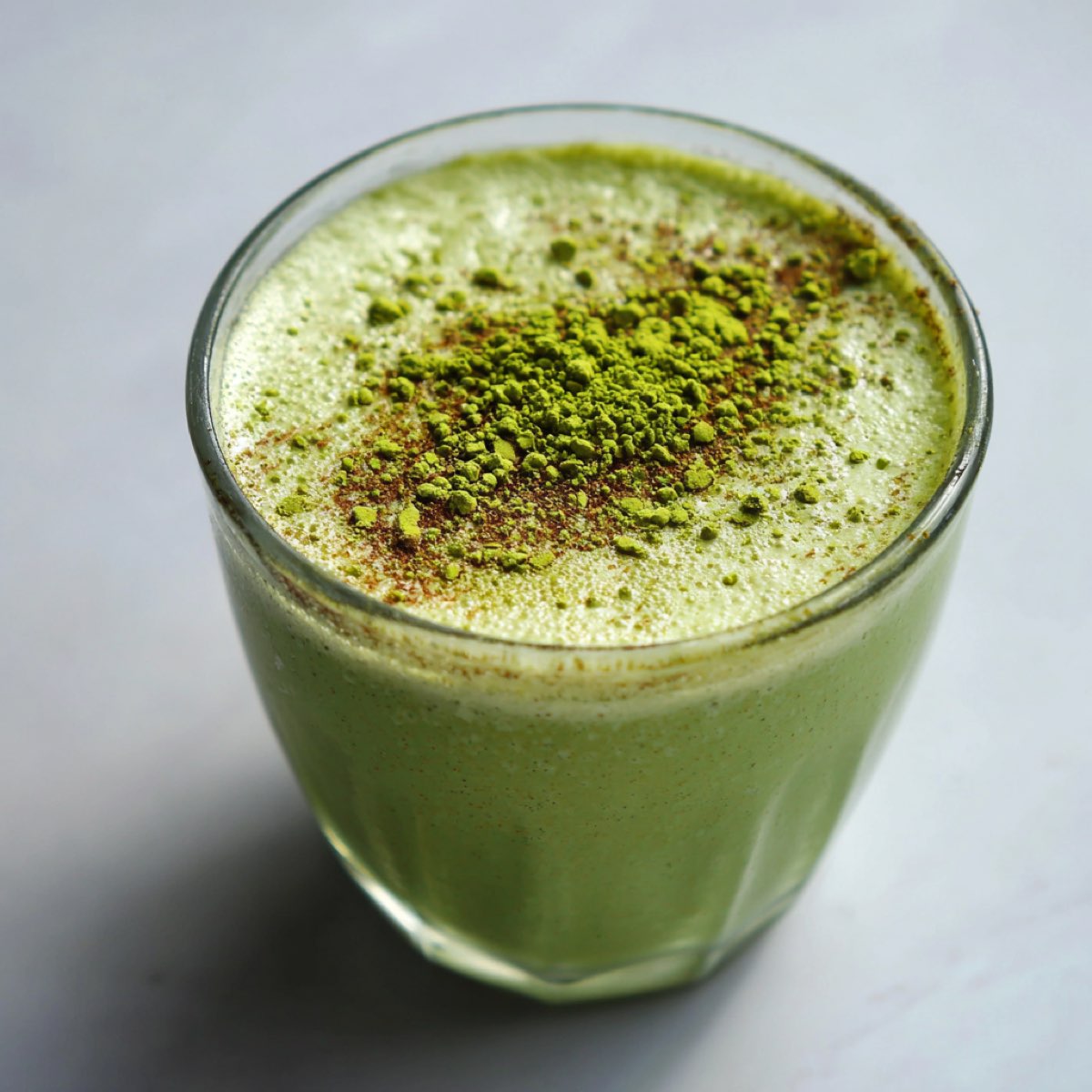
Matcha Mitochondria Smoothie
Mitochondrial energising smoothie rich in polyphenols, magnesium, and antioxidants
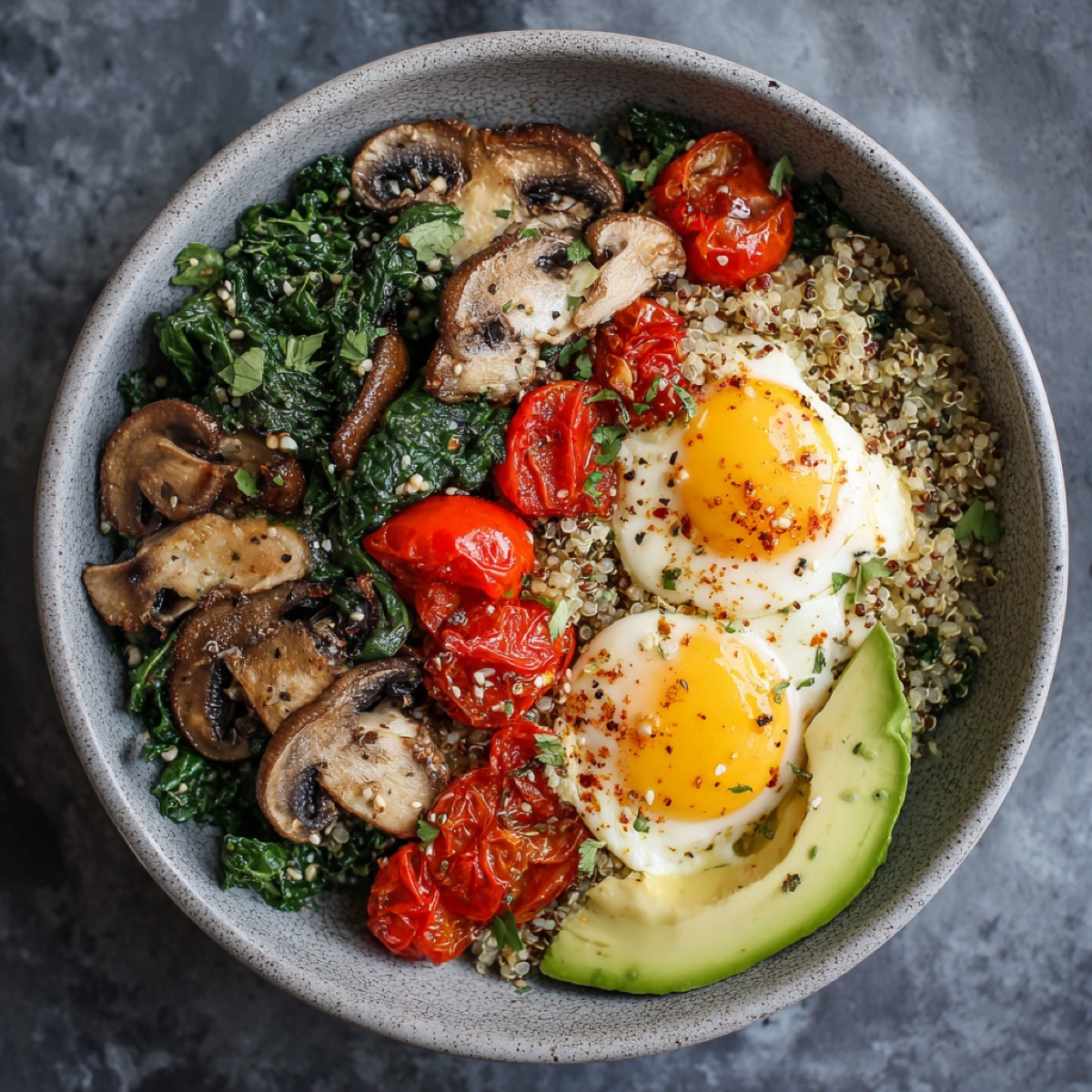
Savoury Greens & Egg Breakfast Skillet
A warm savoury breakfast skillet with eggs, greens, and slow carbohydrates for steady morning energy.
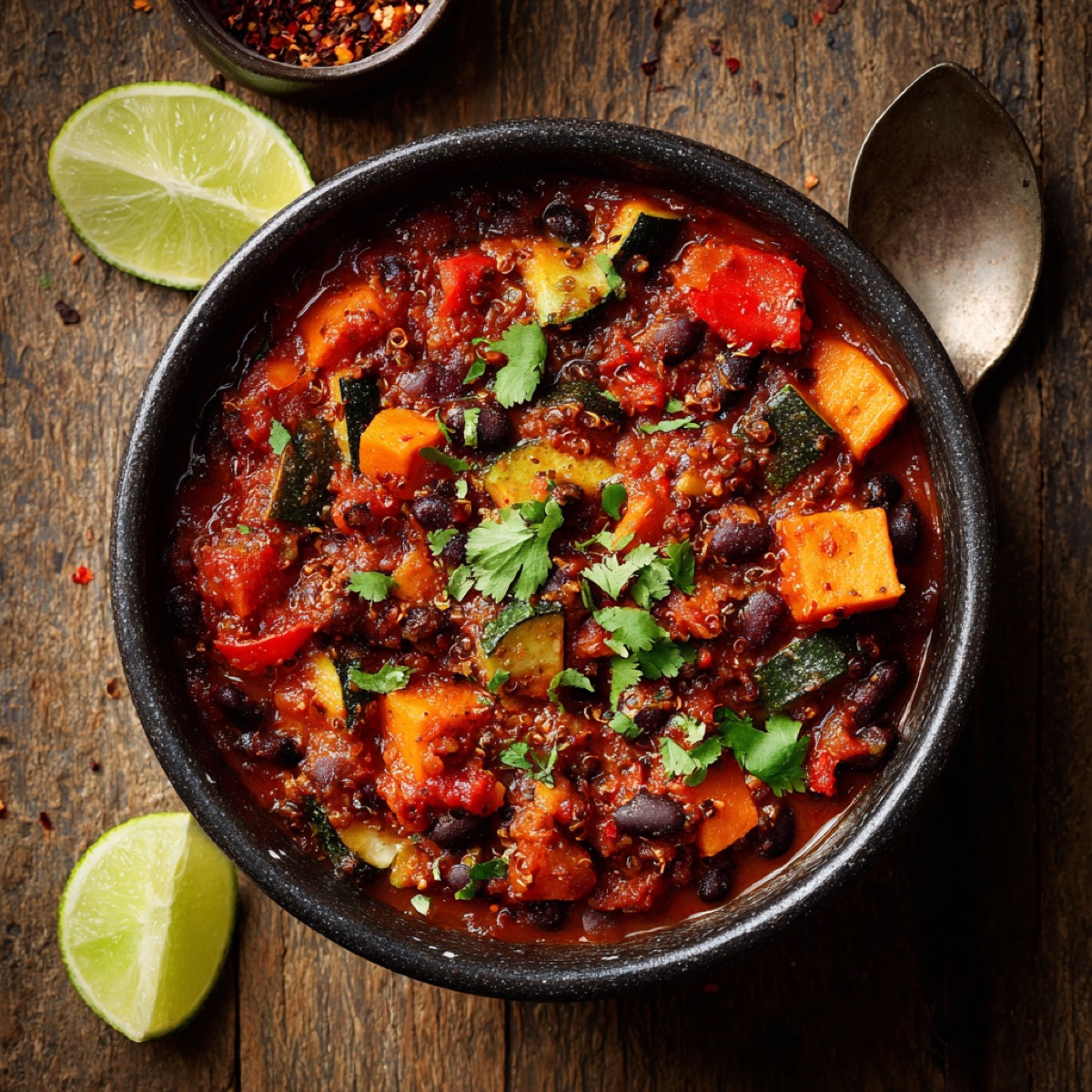
Black Bean & Sweet Potato Vegetable Chilli
A fibre-rich bean and vegetable chilli with warming spices and slow carbohydrates for steady energy and satiety.
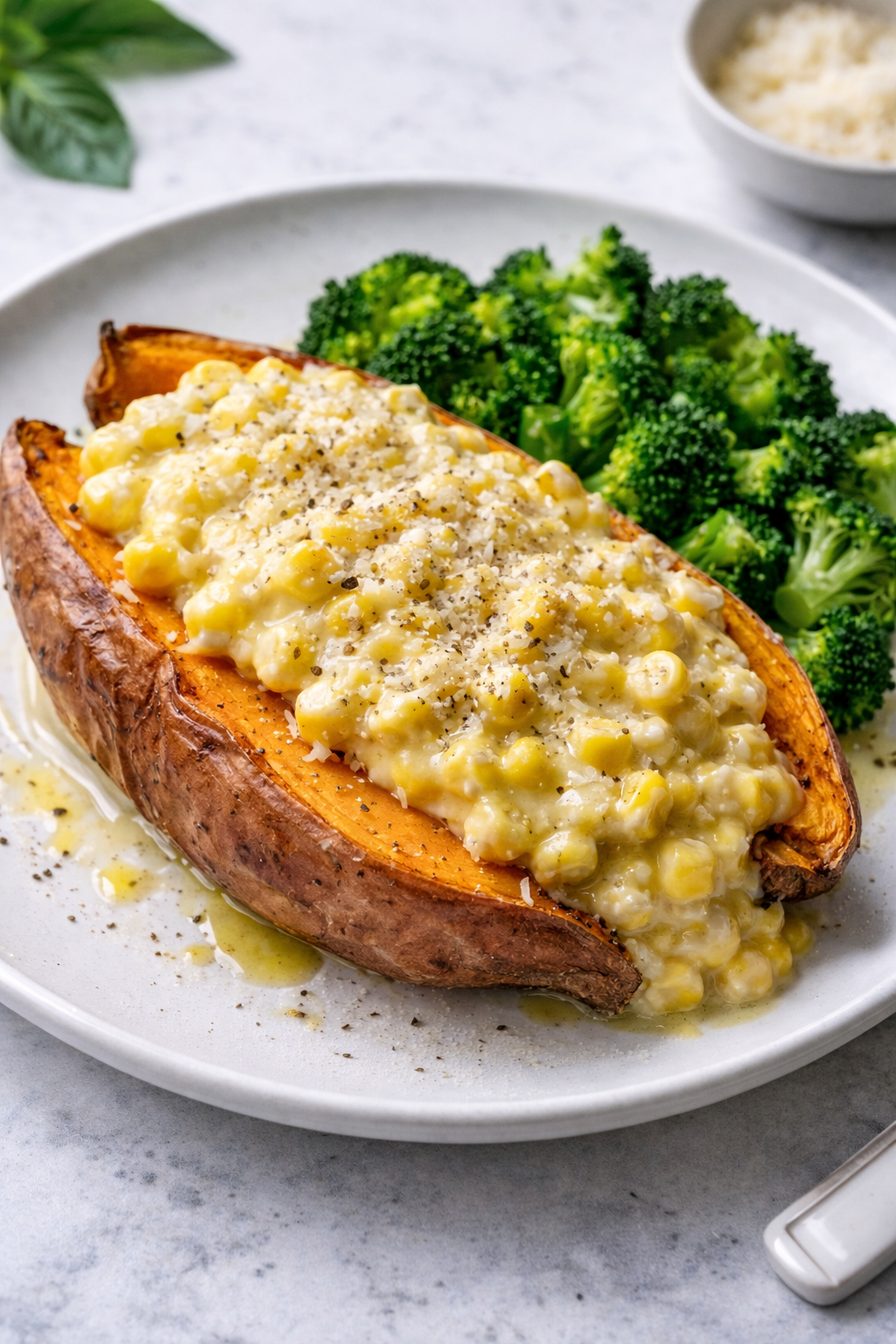
Creamed Corn on Roasted Sweet Potato
Roasted sweet potato with creamed corn and a mixed lipid phase to enhance carotenoid absorption; served with broccoli for fibre and glucosinolates.
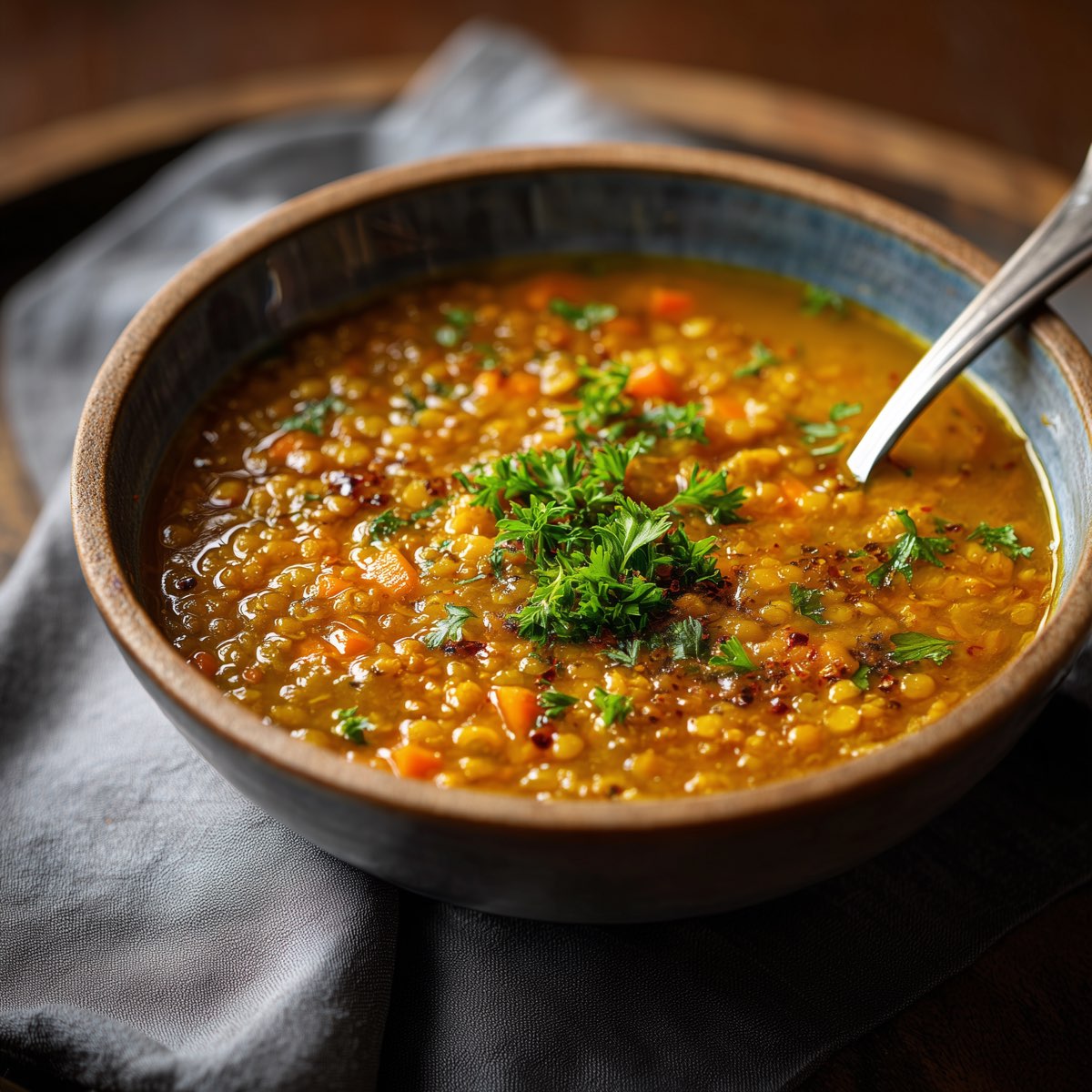
Turmeric Lentil Dahl
Turmeric- and ginger-spiced lentil dish rich in fibre, folate, and polyphenols
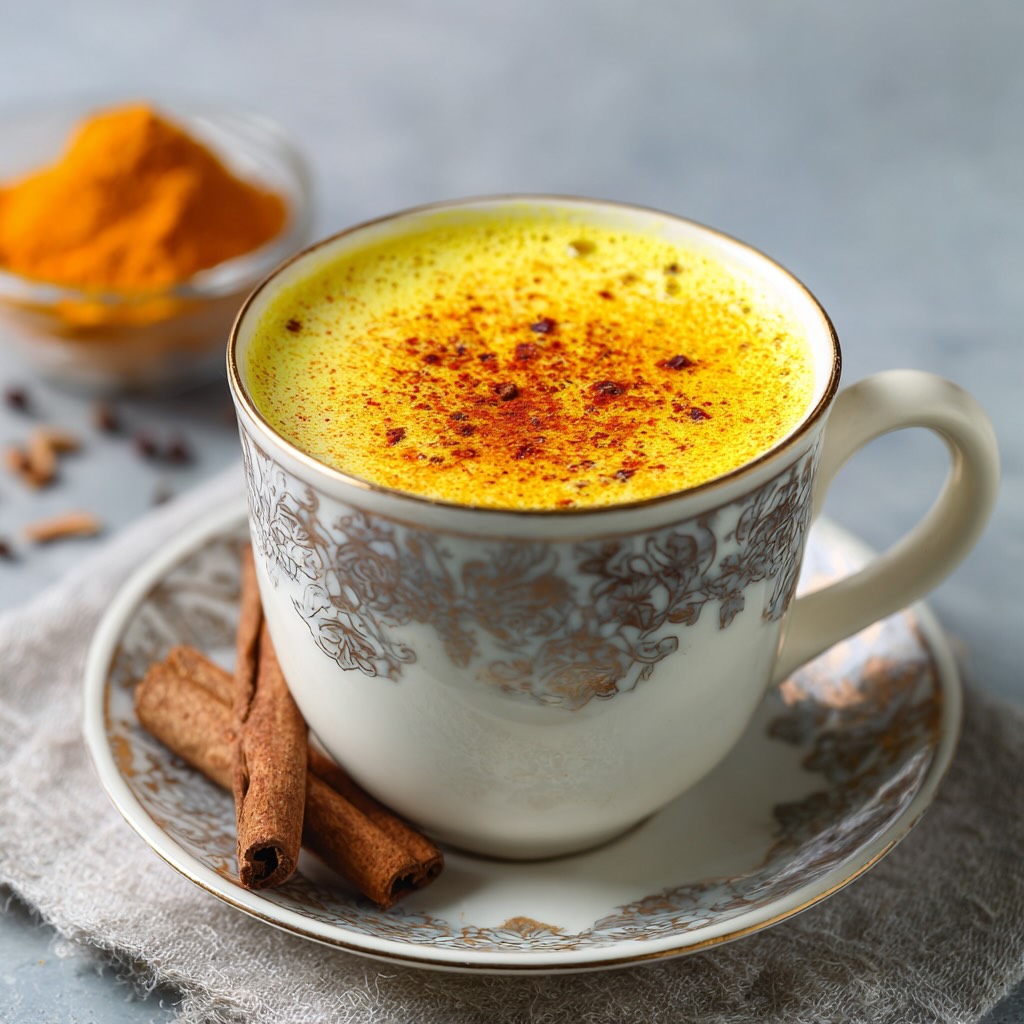
Turmeric Milk
A warming drink combining turmeric (curcumin) with milk/fat for enhanced curcumin absorption
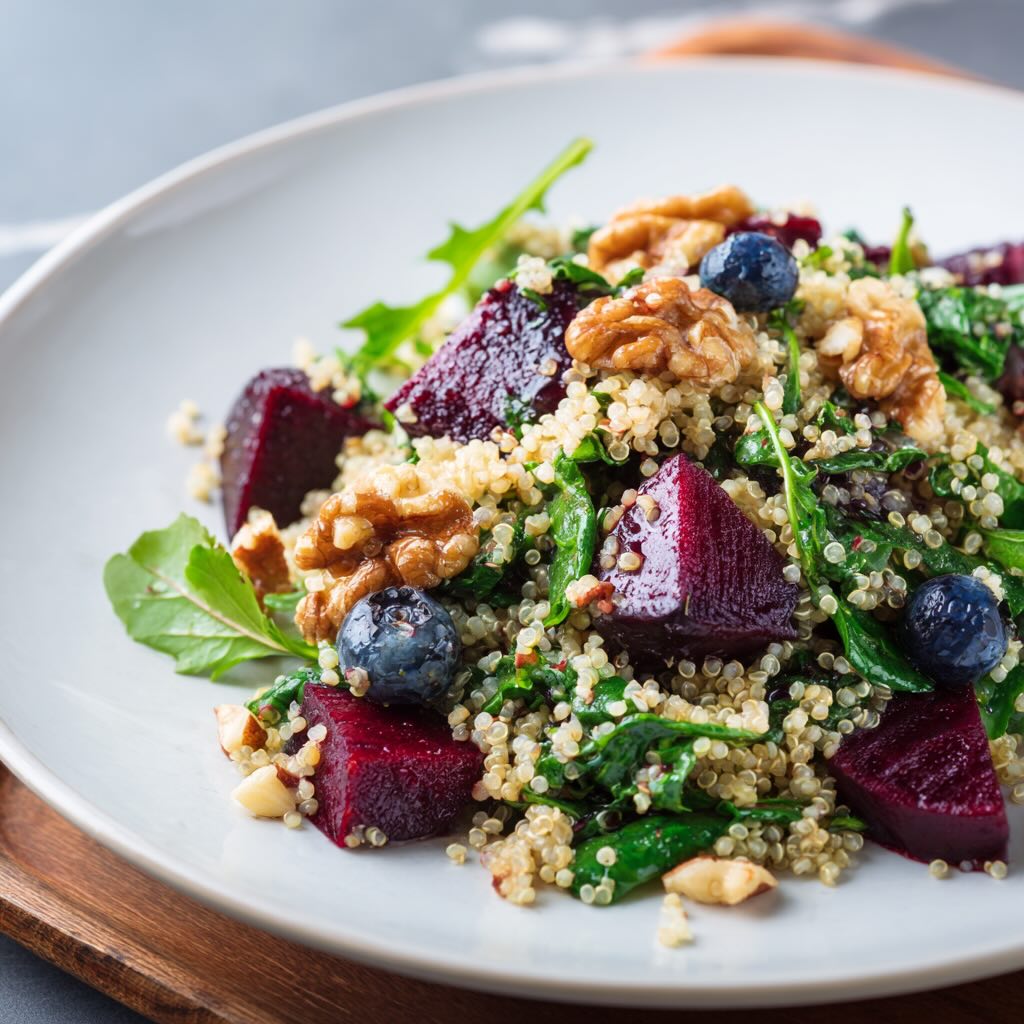
Mitochondrial Power Bowl
A nitrate-rich, polyphenol-dense bowl combining leafy greens, beets, berries, nuts, and early harvest olive oil
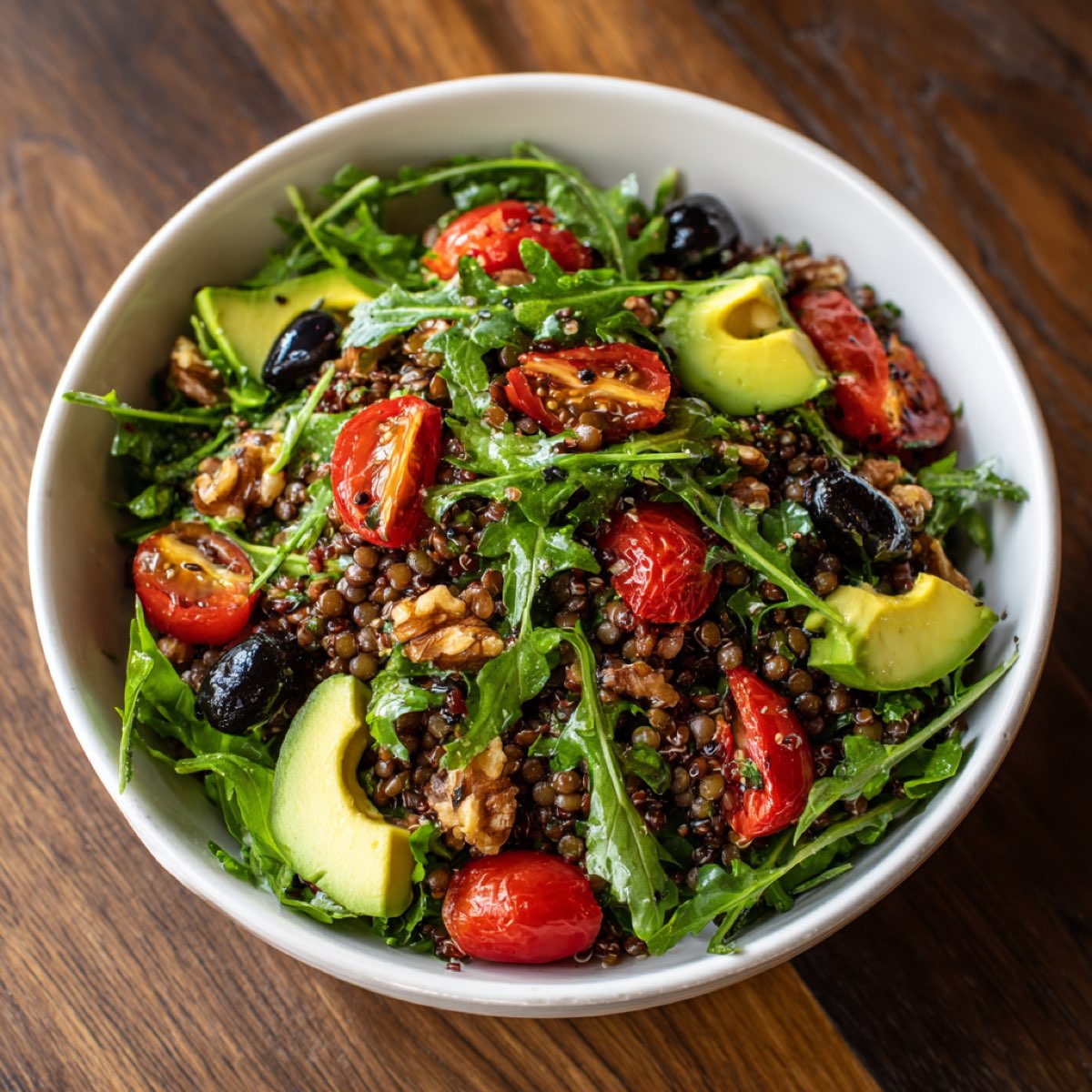
Rocket Lentil Avocado Midday Salad (Gut-Supporting)
Polyphenol-rich midday salad with quinoa or lentils, vegetables, avocado, and early harvest olive oil
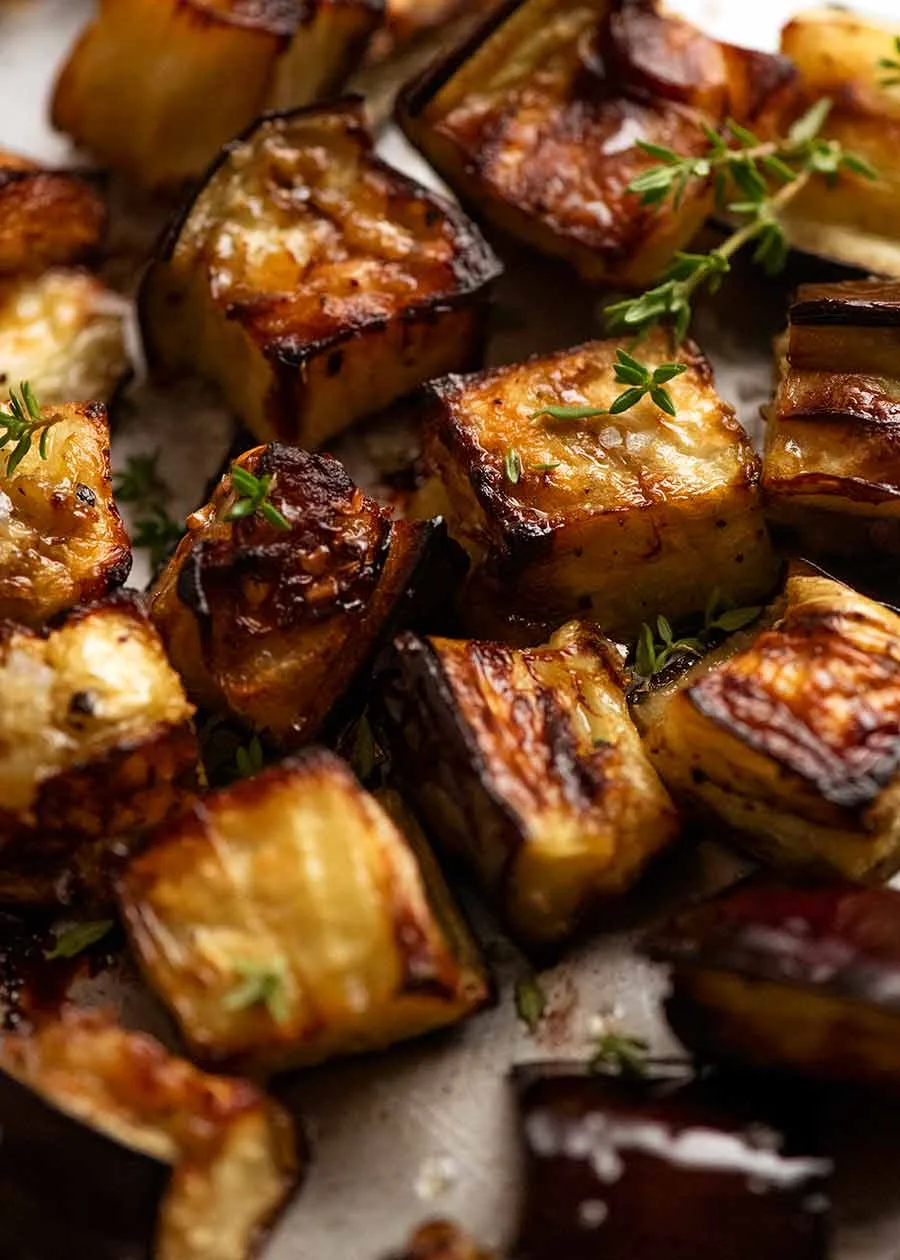
Roasted Aubergine with Herb Olive Oil
Soft roasted aubergine finished with a late-added herb oil of rosemary, thyme, chilli flakes and olive oil, served with a light balsamic drizzle.
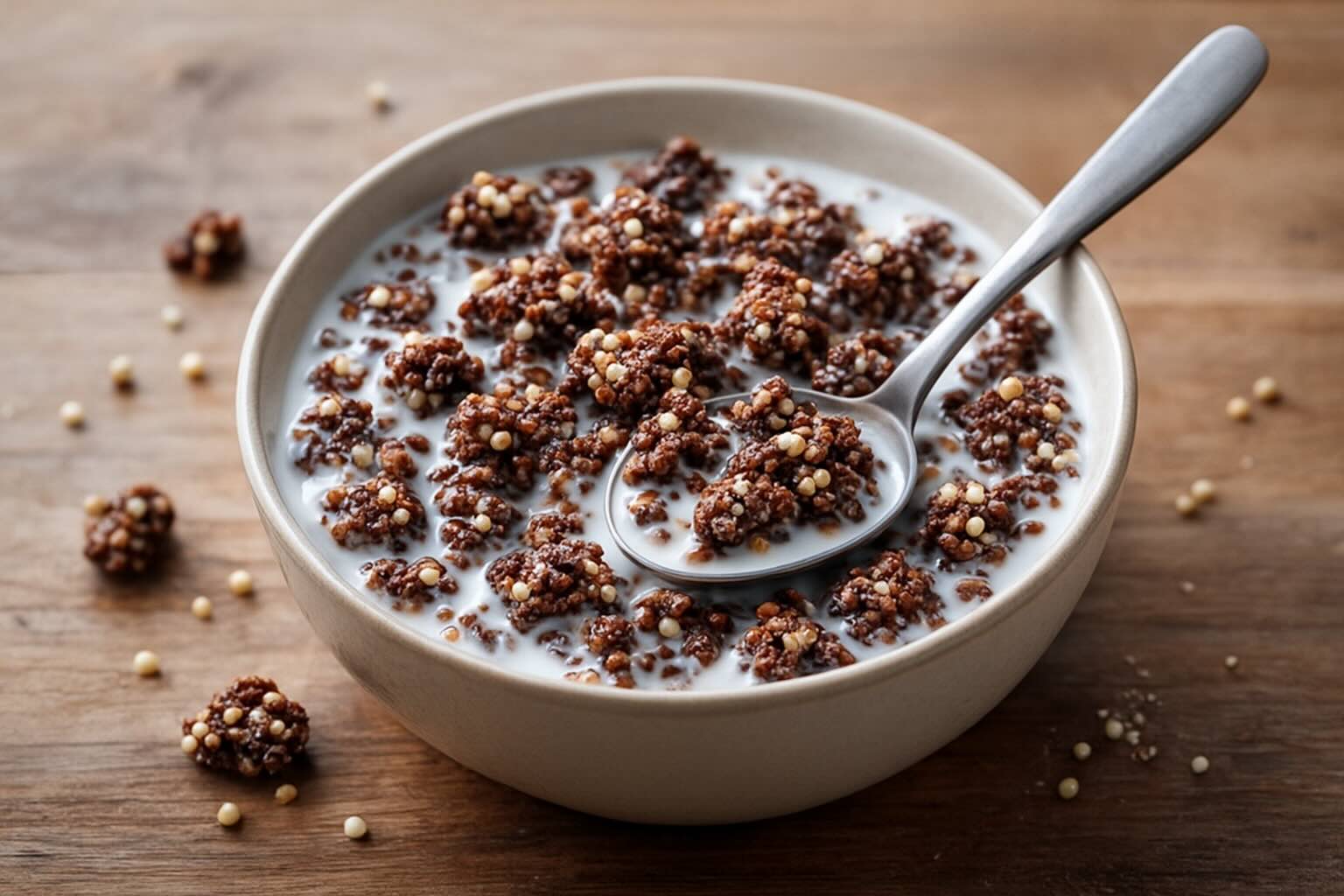
Chocolate Quinoa Crisp Clusters
A delicious cereal-to-snack hybrid with satisfying crunch, steady energy, and a low glycemic profile. Perfect for breakfast or anytime snacking.
Therapeutic Areas

ADHD
Dietary strategies targeting inflammation, neurochemical balance, mitochondrial function, and gut-brain axis to support attention, focus, and executive function
Alzheimer's Disease
Dietary interventions targeting mitochondrial function, oxidative stress, inflammation, and neurochemical balance to slow cognitive decline and support neuroprotection
Anxiety & GAD
Nutritional strategies targeting HPA axis regulation, stress response, neurochemical balance, and gut-brain communication to reduce anxiety and support emotional regulation
Bipolar Disorder
Nutritional approaches to support mood stability and cognitive function through modulation of neurotransmitter balance, mitochondrial health, and inflammatory pathways
Depression & MDD
Food-first dietary interventions targeting neurochemical balance, inflammation, gut-brain axis, and metabolic health to support mood regulation and emotional resilience
Substances
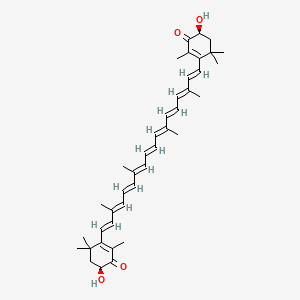
Astaxanthin
Lipid-soluble carotenoid that stabilizes omega-3–rich membranes; supports mitochondrial and cellular resilience
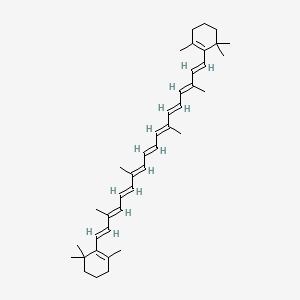
β-Carotene
Neuroprotective carotenoid; vitamin A precursor; supports immune regulation and neuronal development
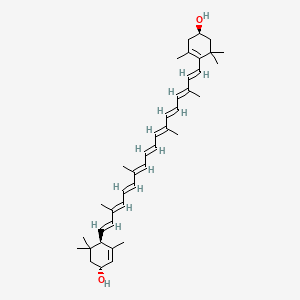
Lutein
Neuroprotective carotenoid; accumulates in neural tissues and retina; supports cognitive performance
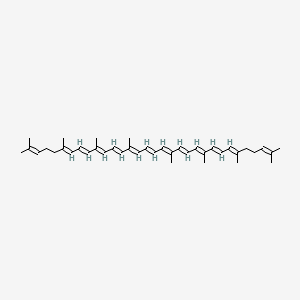
Lycopene
Neuroprotective carotenoid; found in tomatoes; absorption enhanced by cooking and dietary fat
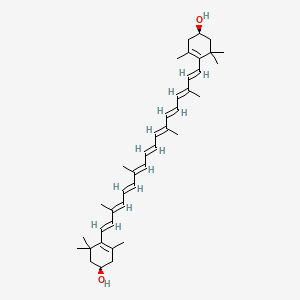
Zeaxanthin
Neuroprotective carotenoid; accumulates in neural tissues and retina; supports cognitive performance
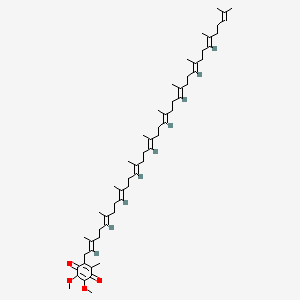
Coenzyme Q10 (CoQ10)
Electron transport chain cofactor and antioxidant relevant to mitochondrial function
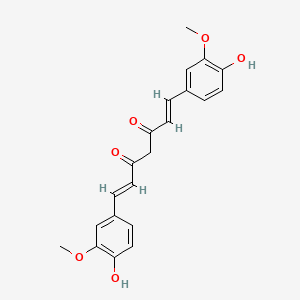
Curcumin (Turmeric)
Anti-inflammatory, antioxidant; bioavailability enhanced with piperine and fats
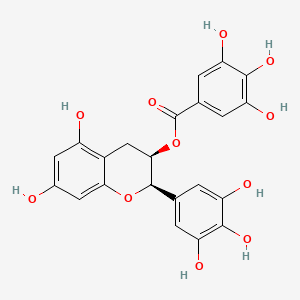
EGCG (Green Tea Catechin)
Polyphenol; antioxidant; gut barrier/LPS modulation; supports microbiome
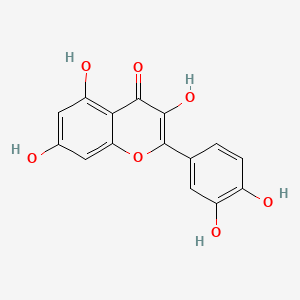
Quercetin (and Isoquercetin)
Polyphenol; antioxidant; mitochondrial support; bioavailability improved with vitamin C
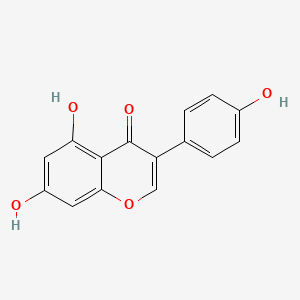
Genistein
Soy isoflavone; ECS modulation via FAAH inhibition; anti-inflammatory/neuroprotective
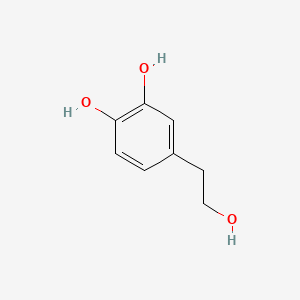
Hydroxytyrosol (Olive Polyphenol)
Potent antioxidant polyphenol from extra-virgin olive oil; anti-inflammatory
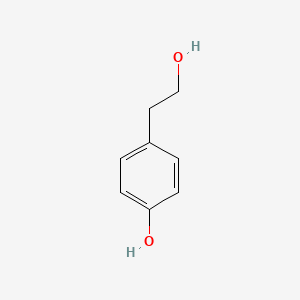
Tyrosol
Phenolic compound in olive oil; neuroprotective effects and precursor to hydroxytyrosol
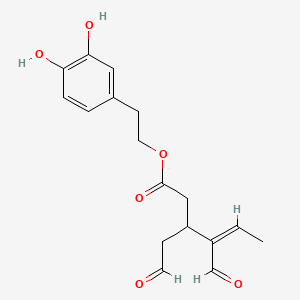
Oleacein
Secoiridoid polyphenol in extra-virgin olive oil; antioxidant and NRF2 activation
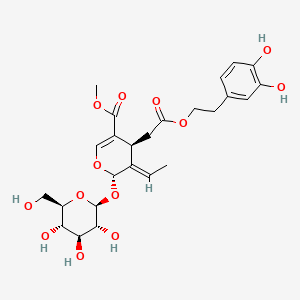
Oleuropein
Major secoiridoid polyphenol in olive oil; oleuropein aglycone supports mitophagy, SIRT1, and AMPK activation
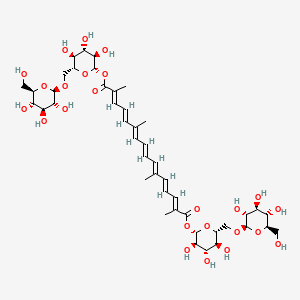
Saffron (Crocin, Safranal)
Mood and cognition support; sensitive to heat/light; culinary-first use
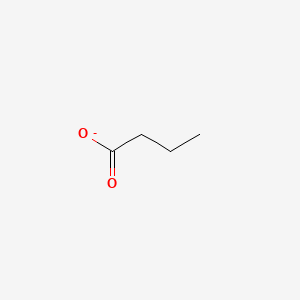
Butyrate
Key SCFA supporting mitochondrial function, gut barrier integrity, and neuroinflammation reduction

Short-Chain Fatty Acids (SCFAs)
Microbial metabolites supporting gut barrier, immune tone, and brain function
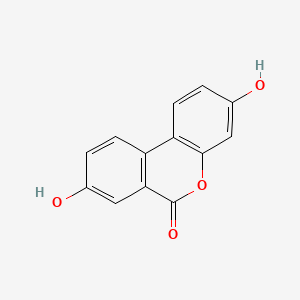
Urolithin A
Microbiome-derived metabolite from ellagitannins; supports mitochondrial resilience and mitophagy
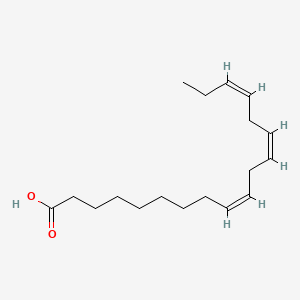
ALA (Alpha-Linolenic Acid)
Essential omega-3 precursor; limited conversion to DHA/EPA

Omega-3 Fatty Acids
(EPA, DHA) Anti-inflammatory, membrane, and neuromodulatory lipids central to BRAIN Diet
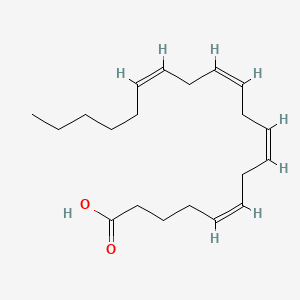
Arachidonic Acid (AA, n-6)
Omega-6 PUFA; eicosanoid precursor; balance with omega-3s
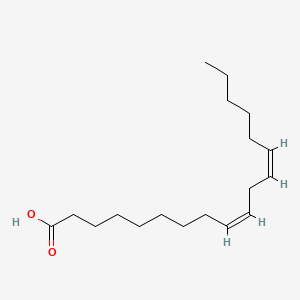
Linoleic Acid (LA, n-6)
Essential omega-6; precursor to arachidonic acid and eicosanoids

Copper
Cofactor in redox enzymes; dopamine β-hydroxylase; iron metabolism interplay

Manganese
Cofactor for MnSOD (SOD2); mitochondrial antioxidant defense

Selenium
Antioxidant enzyme cofactor (GPx); supports redox balance

Zinc
Cofactor in neurotransmission and antioxidant enzymes; dopamine modulation
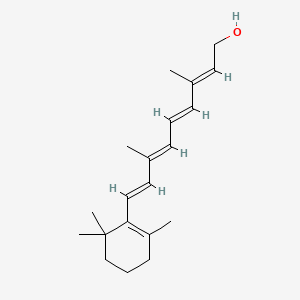
Vitamin A (Retinoids; β-Carotene precursor)
Neurodevelopment; immune regulation; antioxidant via carotenoids
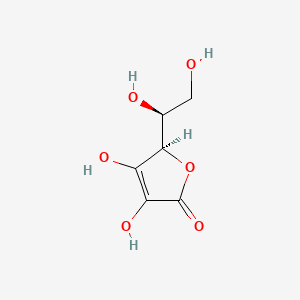
Vitamin C (Ascorbate)
Antioxidant; supports iron absorption; neuronal SVCT2 transport
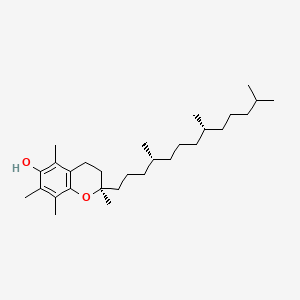
Vitamin E (Tocopherols/Tocotrienols)
Lipid-phase antioxidant; protects PUFA (DHA) in membranes
Biological Implications
Definition and Mechanisms
Oxidative stress arises when reactive oxygen/nitrogen species (ROS/RNS) exceed antioxidant capacity, damaging lipids, proteins, DNA, and impairing mitochondrial efficiency. In ADHD, adult cohorts frequently show elevated lipid peroxidation and oxidative indices, while antioxidant status appears normal or variably shifted, consistent with greater oxidative load rather than a primary antioxidant deficit. Multiple real-world factors contribute i.e. sleep and circadian disruption, glycaemic variability/insulin resistance, high-ω-6/oxidised oils, alcohol, smoke/pollution, and dietary source contaminants (metals, Ultra Processed Foods UPFs) (paper.txt, line 619).
The BRAIN Diet targets this network by combining polyphenol-dense foods, omega-3s, sulfur amino acids (cysteine/glycine), and key cofactors (Se/Zn/Cu) with exposure control and gentler cooking to lower dietary AGE/ALE load. We treat oxidative stress as a state-sensitive, potentially modifiable contributor to symptom severity and predefine biomarkers to test whether lowering redox load improves outcomes. In neurodevelopmental conditions such as ADHD, there is increasing recognition that oxidative stress, mitochondrial dysfunction, and neuroinflammation contribute to cognitive, emotional, and behavioral dysregulation (paper.txt, line 620).
Biomarkers and Evidence
Regarding oxidative stress, many studies have isolated potential biomarkers for ADHD, though some studies have sometimes shown marginal results there is a clear positive pattern showing oxidative stress as a correlation with ADHD. A foundational study found significantly higher Malondialdehyde levels in adult ADHD, a lipid-peroxidation marker, compared with healthy controls, indicating increased oxidative stress. More recently, studies reported a shift in thiol/disulfide homeostasis toward oxidation and higher urinary 8-OHdG (DNA oxidation) in adults with ADHD versus controls, consistent with increased oxidative damage. In an independent cohort, studies found elevated oxidative stress index (OSI) / total oxidative status (TOS), supporting impaired redox balance in adult ADHD, suggesting malondialdehyde (MDA) and superoxide dismutase (SOD) levels may be effective biomarkers in diagnosing ADHD while they noted the need to better understand the negative role of oxidative stress in ADHD (paper.txt, line 621).
Testable Hypothesis
Rather than treating MDA/SOD as just diagnostic markers of oxidative stress, they could be framed as a potentially modifiable amplifier of symptom severity of ADHD. Future clinical trials of the BRAIN Diet should explicitly test whether lowering redox load improves clinical outcomes. Comparing Total Antioxidant Capacity (TAC) with oxidative damage markers (e.g., MDA/4-HNE, 8-OHdG) before and after the trial against ADHD related cognitive biomarkers could be a real potential future biomarker for ADHD (paper.txt, line 686).
Link to Mitochondrial Dysfunction
When the amount of anti-oxidants generated is inadequate to offset the detrimental effects of hazardous reactive oxygen species ROS, oxidative stress arises. Increased oxidative stress has been linked to cellular damage, DNA repair system malfunction, and in turn mitochondrial dysfunction (paper.txt, line 735).
Antioxidant Networks
While the body has multiple endogenous antioxidant defenses, including enzymes like superoxide dismutase and glutathione peroxidase, these can become overwhelmed in states of chronic inflammation, nutrient deficiency, or high metabolic demand. Lester Packer introduced the concept of the "antioxidant network", detailing how key compounds like vitamin E, vitamin C, lipoic acid, glutathione, and CoQ10 have been shown to work synergistically and regenerate each other in vivo (paper.txt, line 624).
Although high-dose antioxidant supplements have shown inconsistent or even harmful effects in the rare case of the Vitamin E clinical trials and prostate cancer, diets rich in natural antioxidant compounds have demonstrated robust benefits. The Green Mediterranean Diet DIRECT-PLUS studies, led to significantly greater reductions in visceral adipose and neuroprotective effects. This effect was accompanied by increases in microbiome-derived metabolites like urolithin A, reinforcing the synergistic role of polyphenols, fibre, and gut-derived antioxidants in improving metabolic and cognitive resilience (paper.txt, line 625).
BRAIN Diet Framework
The framework of the BRAIN Diet embraces:
- The acknowledge of the theoretical strength of the antioxidant network i.e. working many different antioxidants into the diet and precursors for endogenous antioxidants
- Emphasize food-based sources rich in polyphenols, flavonoids, and balanced antioxidants.
- Avoid promoting high-dose single-nutrient supplementation unless there's clinical justification and consultation and agreement with healthcare professionals
- Highlight synergy in whole-foods, not megadoses of any one food source (paper.txt, lines 626-630).
Complex Antioxidant Networks and Mineral Cofactors
By supplying a spectrum of antioxidants (vitamins C and E, polyphenols, carotenoids, and omega 3 alongside mitochondrial supports (CoQ₁₀, lipoic acid, B-vitamins, k2) and trace minerals (selenium, zinc, copper), we can potentially increase the protection of neurons, preserve mitochondrial energy production, and reduce harmful inflammatory cascades, creating a better basis for optimal cognitive and emotional resilience (paper.txt, lines 632-634).
The antioxidant family also includes essential minerals that serve as cofactors for antioxidant enzymes. Selenium, zinc, and manganese, for instance, are crucial for the proper functioning of various antioxidant systems within the body. This intricate network of antioxidants works synergistically, with each component complementing the others to maintain cellular health and prevent oxidative damage (paper.txt, lines 636-638).
Key Antioxidant Compounds
Isothiocyanates (ITCs) like sulforaphane, created through enzymatic activity from glucoraphanin in broccoli, have also shown promising results in reducing oxidative stress and offering protection against various chronic diseases, including cancer and cardiovascular disorders while also showing higher bioavailability than other polyphenol-based dietary supplements that also activate Nrf2 (paper.txt, line 640).
Phenolic acids represent some of the most abundant antioxidants in plant-based foods, with whole grains and bran being especially rich sources. Among these, ferulic acid stands out as a key compound illustrating how food matrix effects translate into brain resilience. Processing methods such as sprouting and fermentation profoundly shape polyphenol bioavailability releasing bound ferulic acid, and enhancing bioavailability. Once ferulic acid is absorbed, it crosses the blood–brain barrier, scavenges reactive oxygen species, and synergizes with vitamins C and E to stabilize neuronal membranes and preserve DHA. Such mechanisms highlight why dietary patterns emphasizing whole, minimally processed grains may deliver neuroprotective effects beyond their macronutrient profile (paper.txt, lines 642-645).
Carotenoids, particularly lutein, zeaxanthin, and β-carotene, play a neuroprotective role through their antioxidant and anti-inflammatory properties. These fat-soluble pigments accumulate selectively in neural tissues, including the retina and brain, where they help scavenge reactive oxygen species and stabilize cell membranes. Lutein and zeaxanthin, for instance, have been associated with improved cognitive performance, especially in domains such as memory, processing speed, and visual-spatial function. β-carotene, as both an antioxidant and vitamin A precursor, also supports immune regulation and neuronal development (paper.txt, line 647).
Quercetin is an effective antioxidant agent which scavenges ROS and has antioxidant, anti-inflammatory, and anti-neuroinflammatory and neuroprotective properties. Isoquercetin (glycosylated quercetin) is more completely absorbed than quercetin in the aglycone form, and that the simultaneous ingestion of quercetin with vitamin C, folate and additional flavonoids improves bioavailability (paper.txt, line 675).
Genistein, a soy-derived isoflavonoid, has shown potential as a modulator of several biochemical pathways, including the endocannabinoid system and neuroinflammation. It has been confirmed to have the ability to alleviate the deleterious effects of oxidative stress on neuronal injury, such as preventing neuronal death, increasing the production of hippocampal glutathione (GSH) and superoxide dismutase (SOD), and lowering lipid peroxidation, ROS, and nitric oxide production. Since genistein is believed to pass the blood–brain barrier to exert its neuroprotective effect, it is extensively applied in the investigation of the treatment of neurodegenerative diseases, such as Alzheimer's and Huntington's (paper.txt, line 677).
Glutathione (GSH) is one of the body's major antioxidants. Low levels may suggest oxidative stress; elevated GSH levels which have been recorded against ADHD subjects may reflect a compensatory response to increased oxidative stress. Furthermore, mitochondrial metabolism of lactate depends on GSH for ROS neutralization, optimizing mitochondrial energy use (paper.txt, line 653).
Dietary Sources of Contamination and Heavy Metals
Heavy metals are detoxified in the body by metallothionein (MT) metal carrier proteins that must bind with Zn and copper (Cu). In women, a high-fiber (vegetarian) pattern showed near-complete fecal recovery of dietary cadmium and no increase in blood/urine Cd despite higher Cd intake, suggesting fibre/phytate-mediated inhibition of absorption; low ferritin was the key predictor of higher body Cd (paper.txt, lines 658-659).
Repleting essential minerals (calcium, iron, zinc) together with dietary fibres, phytates, and polyphenols reduces gastrointestinal absorption of toxic metals (lead, cadmium, mercury, aluminium). This lowers systemic levels and blood–brain barrier transport, reduces brain metal accumulation, and ultimately decreases oxidative-stress burden and neurotransmission disruption (paper.txt, lines 661-663).
ADHD has been linked with metals contamination and UPFs which contain among other additives high amounts of metals, particularly in food colourings; ADHD and other neuropsychiatric disorders have been also linked to maternal food habits such as high UPF consumption. Besides heavy metals micro/nanoplastics (MNPs) are being linked to many diseases, reproductive health and ADHD. Anthocyanins, especially C3G-rich sources like berries, purple potatoes, and black goji, serve as natural chelation agents for heavy metals and environmental contaminants, neuroprotective molecules that support synaptic resilience and detox pathways, and detox allies against microplastics and hormone-disrupting pollutants (paper.txt, lines 665-668).
Multiple meta-analyses show blood lead levels <5 µg/dL are associated with increased ADHD risk, even at "low" environmental levels. Lead interferes with prefrontal cortex development, synaptic pruning, and dopamine signaling. While ADHD is associated with higher oxidative stress and weaker antioxidant defense (e.g. reduced glutathione, increased lipid peroxidation). Metals will generate ROS, so this adds another layer of vulnerability (paper.txt, line 669).
Dietary patterns common in ADHD (e.g. low micronutrient density, irregular meals, high sugar/processed food intake) can increase absorption of toxic metals while also sometimes containing lower competing minerals like calcium, iron, and zinc which bind to toxic metals. This leaning towards a poor Western diets, characterised as Western diets are characterized by excess consumption of saturated fats, over-refined sugars, and animal-based protein and low consumption of plant-based fiber, have been shown to have higher levels of oxidative stress and a greater risk of chronic disease (paper.txt, line 670).
Advanced Glycation End Products (AGEs) and Cooking Methods
Higher cooking temperature/time increases Maillard products/AGEs, elevating oxidative stress and microglial activation, which reduces synaptic plasticity. Favoring gentler cooking methods to limit AGE formation can better preserve neuronal function (paper.txt, line 226).
Advanced Glycation & Lipoxidation End Products (AGEs / ALEs): High-heat cooking of fats and proteins produces AGEs/ALEs, which can cross the BBB, activate microglia, and impair synaptic plasticity—mechanisms implicated in cognitive decline (paper.txt, line 203).
Integration with Other Systems
These findings reinforce the importance of nutrient strategies within the BRAIN Diet that support NAD⁺ availability, glutathione synthesis, and mitochondrial health, such as niacin-rich foods (e.g., salmon, chicken breast, turkey, peanuts, and mushrooms), sulphur-containing vegetables that provide glutathione precursors (e.g., broccoli, Brussels sprouts, garlic, onions), and polyphenol-rich sources (e.g., blueberries, green tea, dark chocolate, extra virgin olive oil) (paper.txt, line 701).
References
- Significantly higher Malondialdehyde levels in adult ADHD compared with healthy controls, indicating increased oxidative stress Bulut et al. 2007
- Shift in thiol/disulfide homeostasis toward oxidation and higher urinary 8-OHdG (DNA oxidation) in adults with ADHD versus controls Kurhan and Alp 2021
- Elevated oxidative stress index (OSI) / total oxidative status (TOS) in adult ADHD, suggesting malondialdehyde (MDA) and superoxide dismutase (SOD) levels may be effective biomarkers Miniksar et al. 2023
- Increased oxidative stress linked to cellular damage, DNA repair system malfunction, and mitochondrial dysfunction Solleiro-Villavicencio and Rivas-Arancibia 2018
- The "antioxidant network" concept: key compounds like vitamin E, vitamin C, lipoic acid, glutathione, and CoQ10 work synergistically and regenerate each other in vivo Packer et al. 1997
- High-dose antioxidant supplements have shown inconsistent or even harmful effects in the Vitamin E clinical trials and prostate cancer Klein et al. 2011
- The Green Mediterranean Diet DIRECT-PLUS studies led to significantly greater reductions in visceral adipose and neuroprotective effects Zelicha et al. 2022
- Green Mediterranean Diet effects accompanied by increases in microbiome-derived metabolites like urolithin A, reinforcing the synergistic role of polyphenols, fibre, and gut-derived antioxidants Pachter et al. 2024
- Dietary antioxidant treatment of ADHD accounted for substantial alterations in the immune system, epigenetic regulation of gene expression, and oxidative stress regulation Verlaet et al. 2018
- Selenium, zinc, and manganese are crucial for the proper functioning of various antioxidant systems within the body Mocchegiani and Malavolta 2019
- The intricate network of antioxidants works synergistically, with each component complementing the others to maintain cellular health Vertuani, Angusti, and Manfredini 2004
- Sulforaphane shows higher bioavailability than other polyphenol-based dietary supplements that activate Nrf2 Houghton, Fassett, and Coombes 2016
- Ferulic acid crosses the blood–brain barrier, scavenges reactive oxygen species, and synergizes with vitamins C and E to stabilize neuronal membranes and preserve DHA Shi et al. 2021
- Carotenoids accumulate selectively in neural tissues, including the retina and brain, where they help scavenge reactive oxygen species and stabilize cell membranes Johnson 2014
- Lutein and zeaxanthin have been associated with improved cognitive performance, especially in domains such as memory, processing speed, and visual-spatial function Yagi et al. 2021
- Quercetin is an effective antioxidant agent which scavenges ROS Boots, Haenen, and Bast 2008
- Isoquercetin (glycosylated quercetin) is more completely absorbed than quercetin in the aglycone form, and simultaneous ingestion with vitamin C, folate and additional flavonoids improves bioavailability Li et al. 2016
- Genistein has the ability to alleviate the deleterious effects of oxidative stress on neuronal injury, such as preventing neuronal death, increasing the production of hippocampal glutathione (GSH) and superoxide dismutase (SOD), and lowering lipid peroxidation, ROS, and nitric oxide production Fuloria et al. 2022
- Elevated GSH levels recorded in ADHD subjects may reflect a compensatory response to increased oxidative stress Verlaet et al. 2019
- Heavy metals are detoxified in the body by metallothionein (MT) metal carrier proteins that must bind with Zn and copper (Cu) Zhai et al. 2015
- A high-fiber (vegetarian) pattern showed near-complete fecal recovery of dietary cadmium and no increase in blood/urine Cd despite higher Cd intake, suggesting fibre/phytate-mediated inhibition of absorption Berglund et al. 1994
- ADHD has been linked with metals contamination and UPFs which contain among other additives high amounts of metals, particularly in food colourings Dufault et al. 2024
- Micro/nanoplastics (MNPs) are being linked to many diseases, reproductive health and ADHD Zhang et al. 2025
- Western diets characterized by excess consumption of saturated fats, over-refined sugars, and animal-based protein and low consumption of plant-based fiber have been shown to have higher levels of oxidative stress and a greater risk of chronic disease Jiang et al. 2021
- Higher cooking temperature/time increases Maillard products/AGEs, elevating oxidative stress and microglial activation, which reduces synaptic plasticity Uribarri et al. 2010
- High-heat cooking of fats and proteins produces AGEs/ALEs, which can cross the BBB, activate microglia, and impair synaptic plasticity Uribarri et al. 2010