Arachidonic Acid (AA, n-6)
Overview
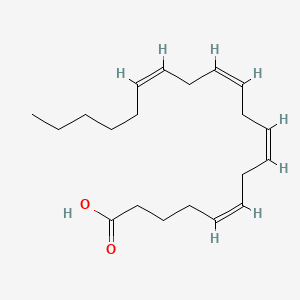
Arachidonic acid (AA) is an omega-6 polyunsaturated fatty acid that serves as a precursor to various eicosanoids, which are signaling molecules involved in inflammation and immune function. While arachidonic acid gives rise to predominantly pro-inflammatory eicosanoids, it is also important for normal brain development and function. The key is maintaining an appropriate balance between omega-6 and omega-3 fatty acids, as excessive n-6:n-3 ratios (common in Western diets) can contribute to chronic inflammation and neurotransmitter dysregulation. The BRAIN Diet emphasizes maintaining an appropriate balance for optimal inflammatory tone.
Recipes
Foods
Biological Mechanisms and Implications
No biological targets found for substance: Arachidonic Acid
References
- While arachidonic acid (AA), an omega-6 PUFA, gives rise to mostly pro-inflammatory eicosanoids, omega-3s like EPA and DHA are precursors to anti-inflammatory SPMs Simopoulos 2011
- Western diets can skew n-6:n-3 ratio as high as 20:1, contributing to chronic inflammation and neurotransmitter dysregulation Simopoulos 2011
- Overall dietary n-6:n-3 balance affects inflammatory tone