Kaempferol
Overview
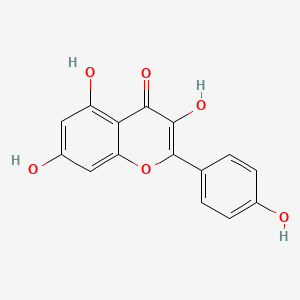
Kaempferol is a flavonol polyphenol that occurs, mostly as glycosides, in leafy vegetables, culinary herbs, tea and some fruit. It is eaten in ordinary plant foods and is also sold as a commercial supplement. It is not interchangeable with quercetin or with whole-food flavonol intake [1,2].
The richest compiled plant sources include spinach and kale, with smaller amounts in broccoli, onions, blueberries, asparagus, leeks and brewed black tea [2]. An integrated review of isolated kaempferol reports frequent hormetic concentration–responses and senolytic-like activity, especially on ageing-related endpoints, but that evidence is molecular, cellular and animal rather than a demonstration that ordinary food portions reproduce those effects [1]. In aged mice, purified kaempferol added to chow improved behaviour and reduced inflammaging, and senescent T cells recovered mitochondrial quality control through mitophagy. That study did not measure fuel switching or glycaemic–insulin regulation [4].
Dietary Origin
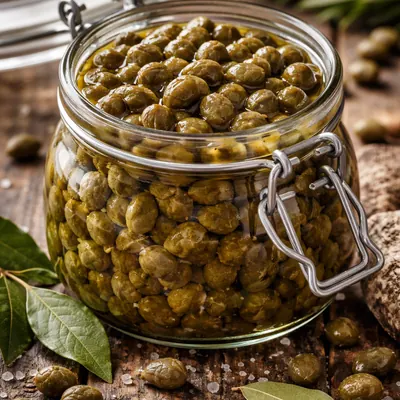
Dietary exposure is a direct food occurrence: food → contains → kaempferol (typically as glycosides). Dabeek and Marra report compiled averages from Phenol-Explorer and the USDA flavonoid database, not fixed composition values for a single cultivar or serving. Their Table 1 lists those averages as kaempferol in mg/100 g fresh weight (black tea as mg/100 ml) and does not state whether the figures are free kaempferol or aglycone equivalents after glycoside hydrolysis: spinach 55.0, kale 47.0, Chinese cabbage 22.5, broccoli 7.20, onions 4.50, blueberries 3.17, leeks 2.67, asparagus 1.40, apples 0.14, and black tea 1.70 [2]. Herbs such as dill and chives are also listed as rich sources but are not yet mapped as foods here [2]. Capers are a concentrated condiment source in Phenol-Explorer even though they are absent from that compiled table; culinary portions remain small [3].
Kaempferol in foods is mostly glycosylated. Human absorption, circulating metabolites and food-matrix effects are therefore not the same as an isolated aglycone or a supplement capsule [2]. US adult kaempferol intake in that review is about 5.4 mg/day, with tea, onion, apple and red wine as major flavonol contributors at population level [2]. Food → contains → kaempferol does not establish that eating the food reproduces a hormetic or senolytic experiment [1,2].
Research Spotlights & Evidence Checks
Recipes
12 recipes containing this substance
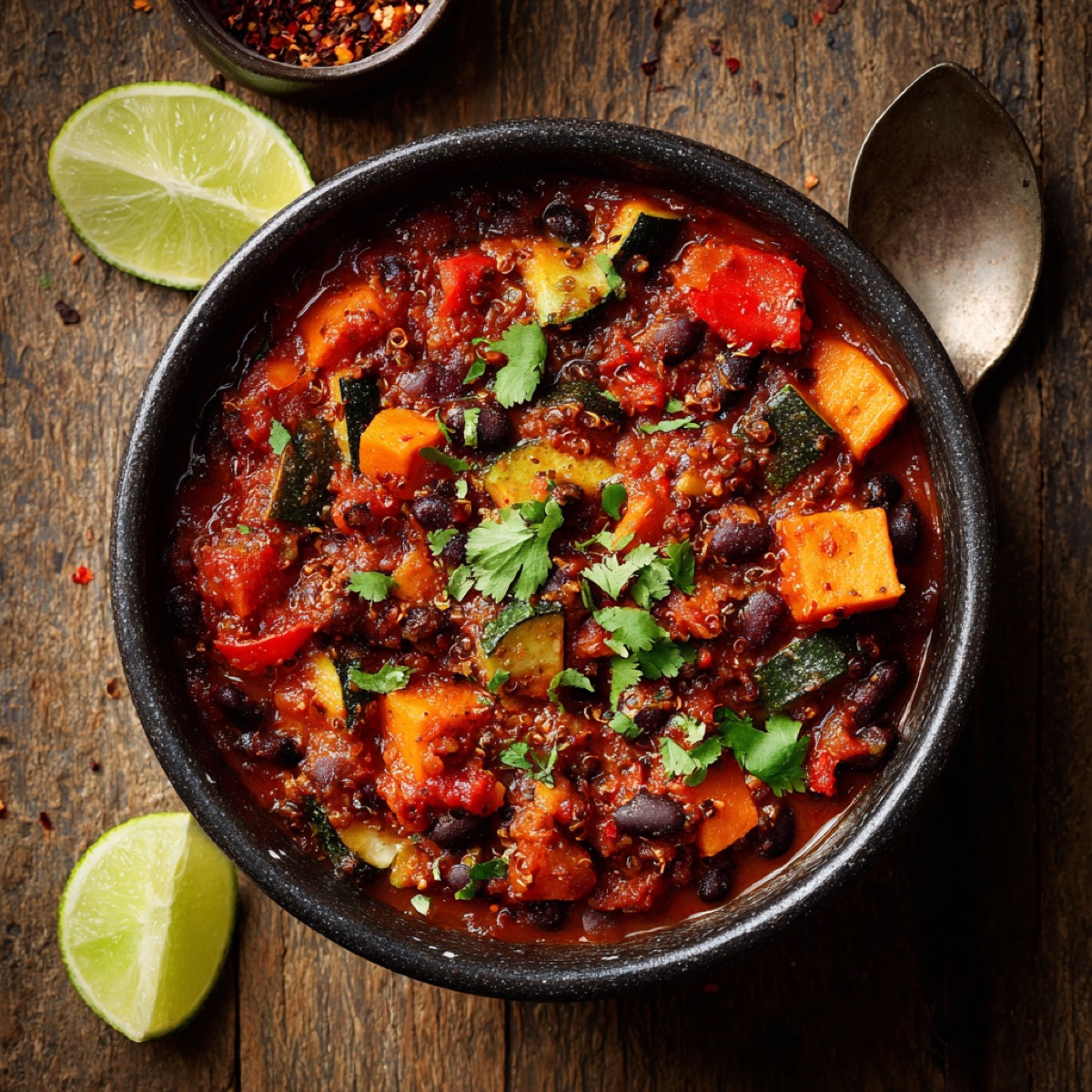
Black Bean & Sweet Potato Vegetable Chilli
A fibre-rich bean and vegetable chilli with warming spices and slow carbohydrates for steady energy and satiety.
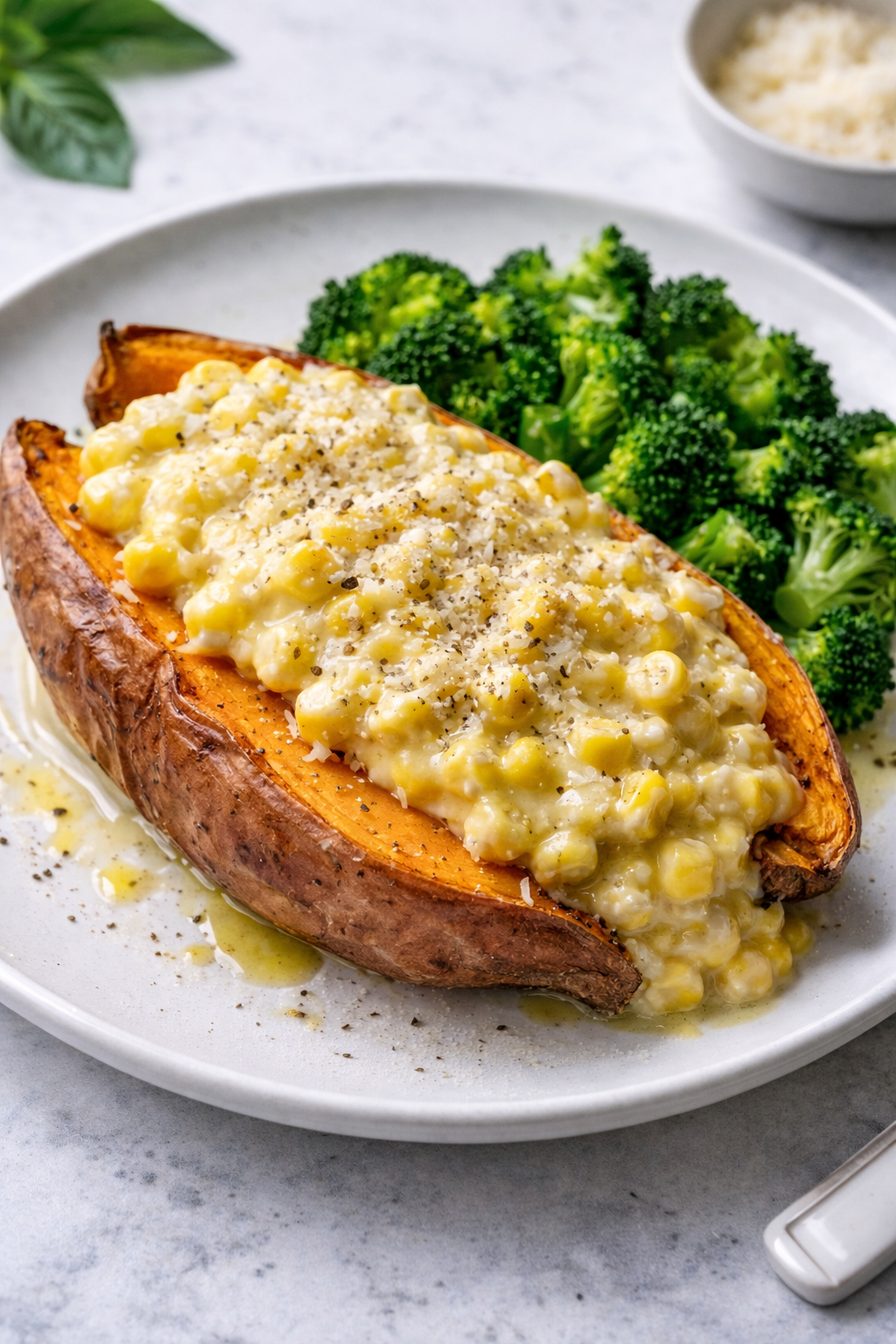
Creamed Corn on Roasted Sweet Potato
Roasted sweet potato with creamed corn and a mixed lipid phase to enhance carotenoid absorption; served with broccoli for fibre and glucosinolates.
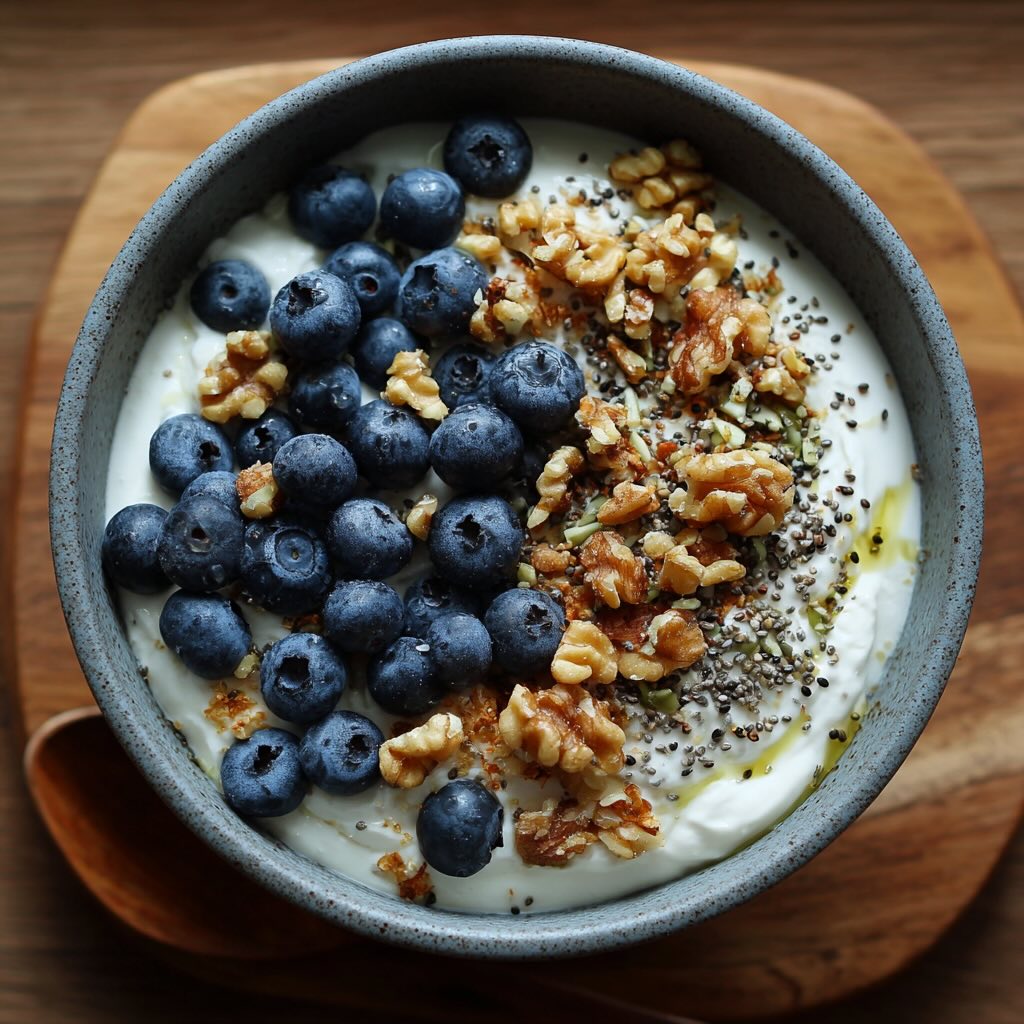
Ginger Yogurt and Blueberries
A polyphenol-rich breakfast bowl with high fibre, combining ginger, omega-3 nuts, blueberry polyphenols, and probiotic yogurt.
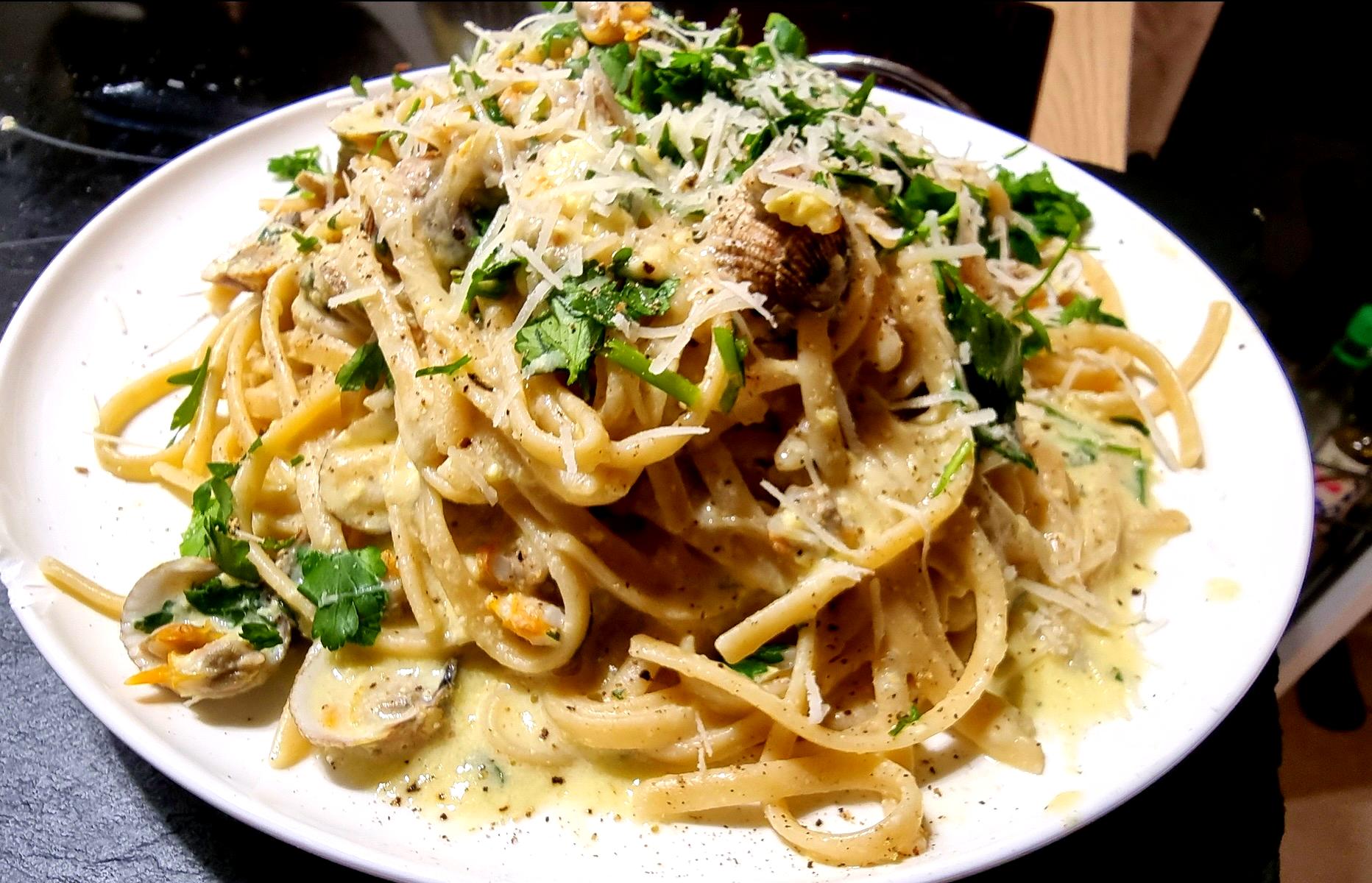
Linguine alle vongole mantecate (Linguine with cockles in a silky emulsified sauce)
Whole-wheat linguine with cockles in a silky emulsified sauce; Italian emulsification technique without cream, supporting taurine, B12, and choline intake.
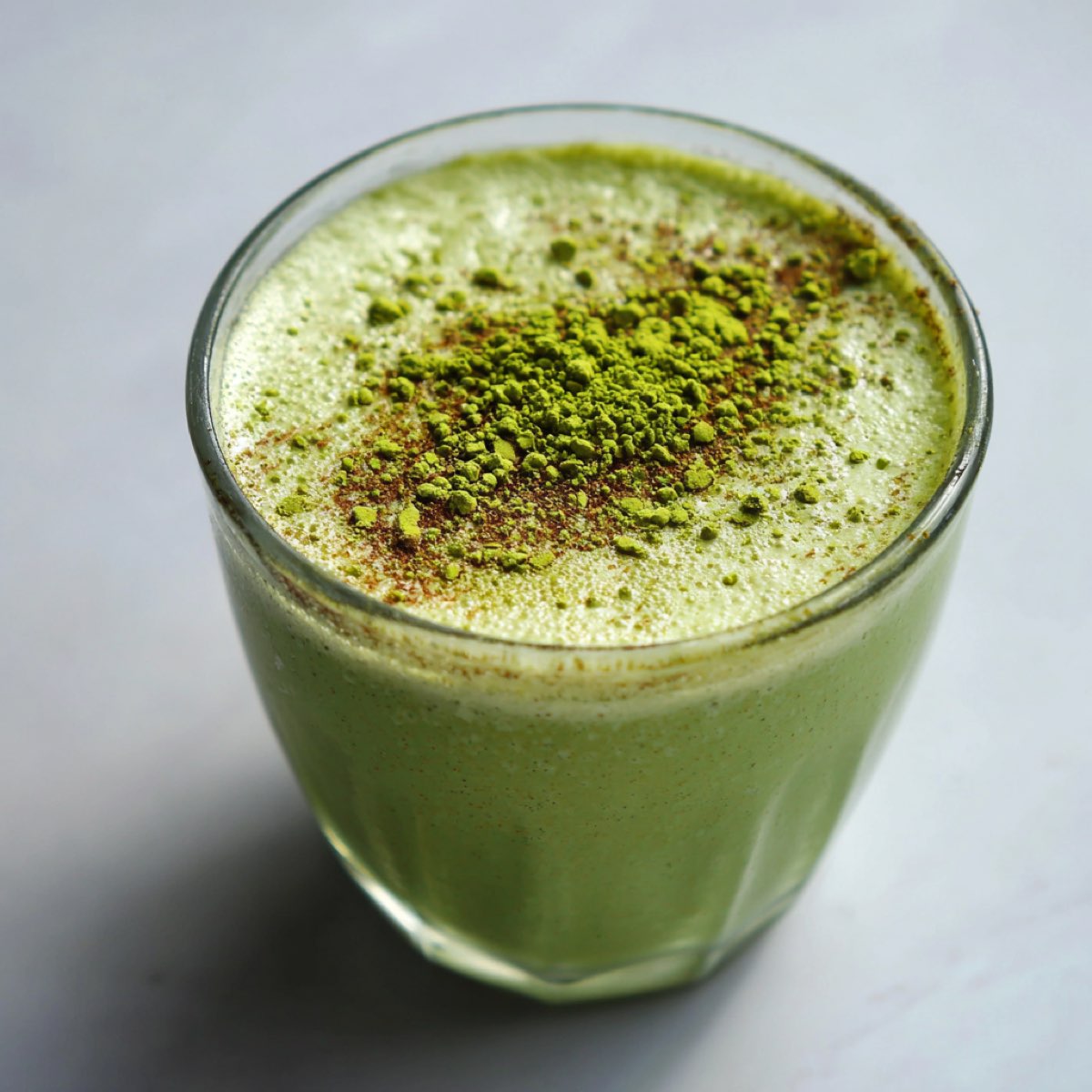
Matcha Mitochondria Smoothie
Mitochondrial energising smoothie rich in polyphenols, magnesium, and antioxidants
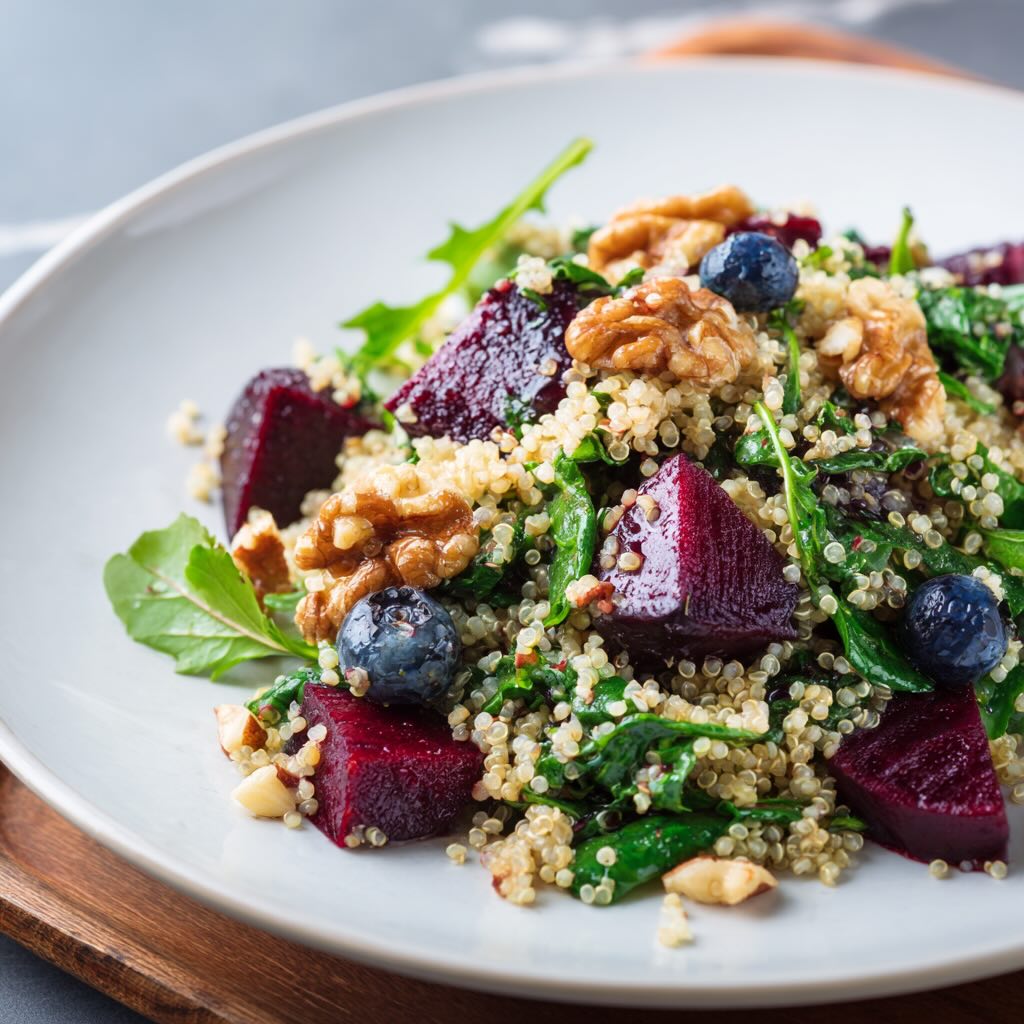
Mitochondrial Power Bowl
A nitrate-rich, polyphenol-dense bowl combining leafy greens, beets, berries, nuts, and early harvest olive oil
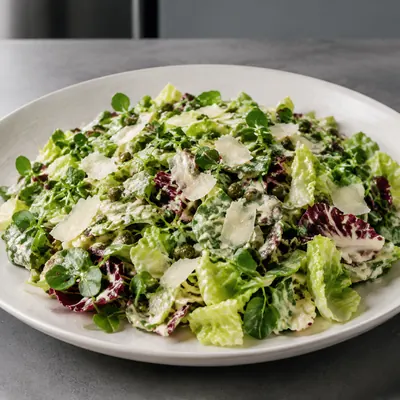
Mixed-Leaf Tahini Caesar Salad
A Caesar-style mixed-leaf salad with a tahini, anchovy, caper and Parmesan dressing, using extra virgin olive oil retained from oil-packed capers.
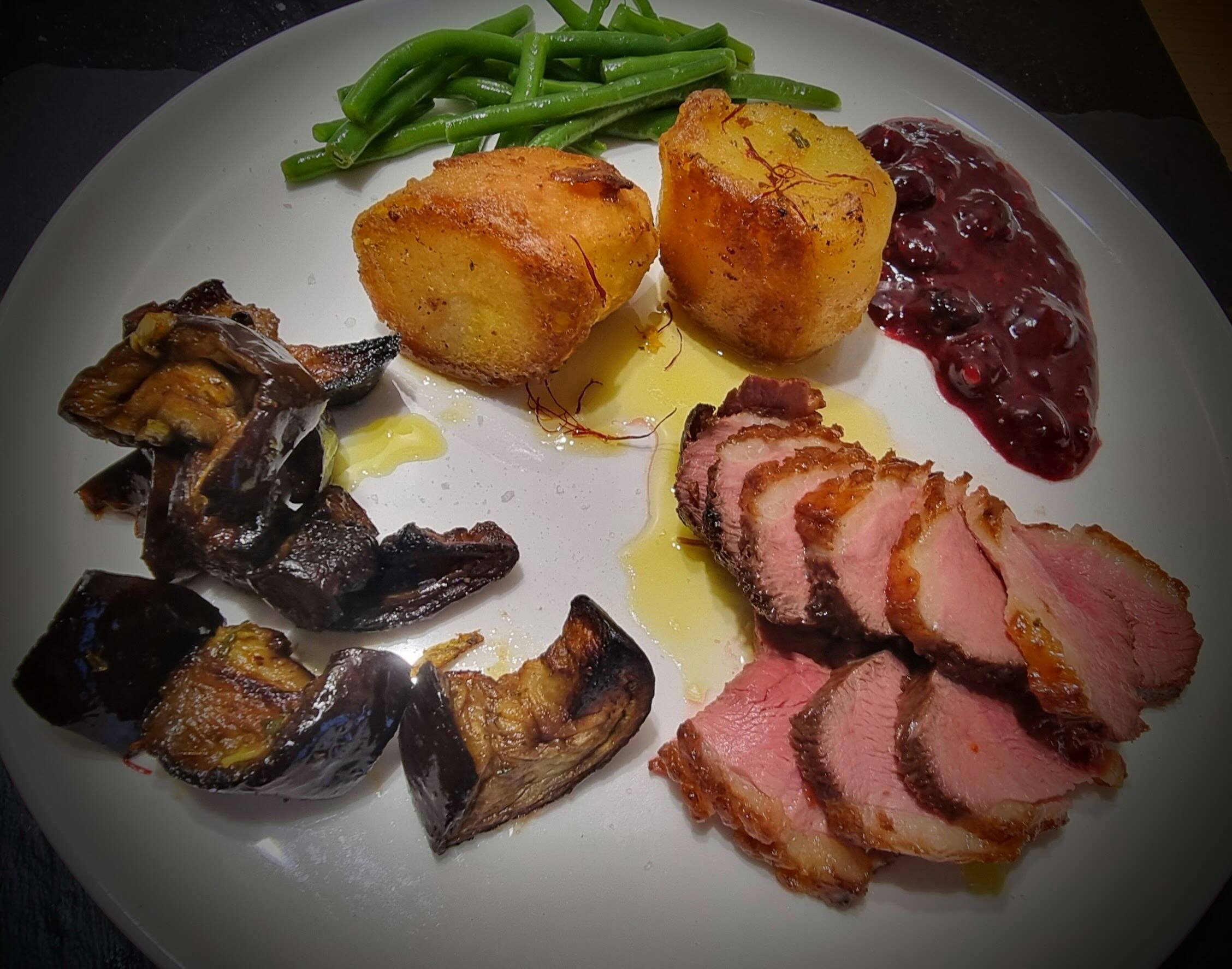
Roast Duck Breast with Berry Sauce
A rich main dish built around crisp-skinned duck breast with a bright blueberry and raspberry sauce, designed to balance richness with acidity and aromatic depth.
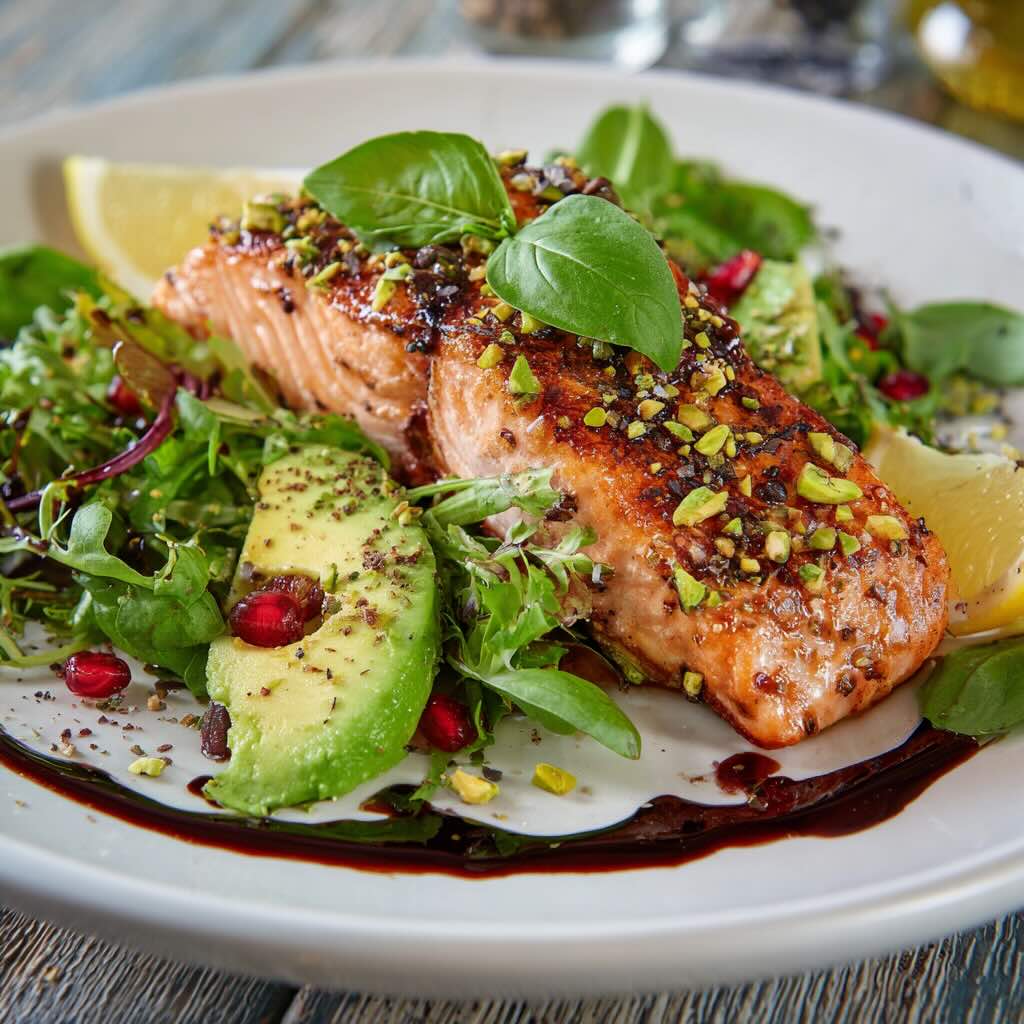
Salmon Bowl-pistachio-cacao-nibs
A Mediterranean-style bowl combining salmon, avocado, pistachios, cacao nibs, and early harvest olive oil — rich in omega-3 fats, polyphenols, and fibre.
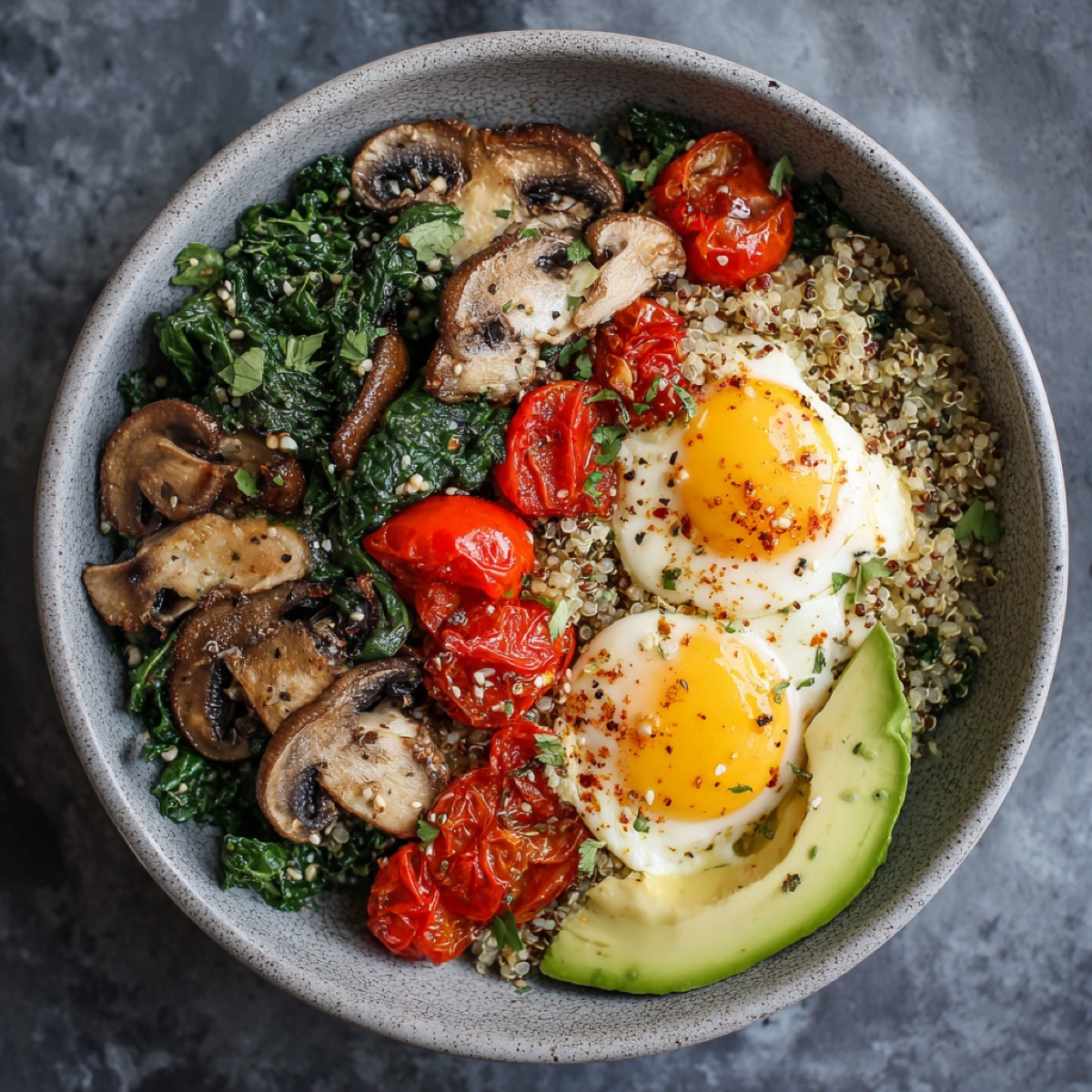
Savoury Greens & Egg Breakfast Skillet
A warm savoury breakfast skillet with eggs, greens, and slow carbohydrates for steady morning energy.
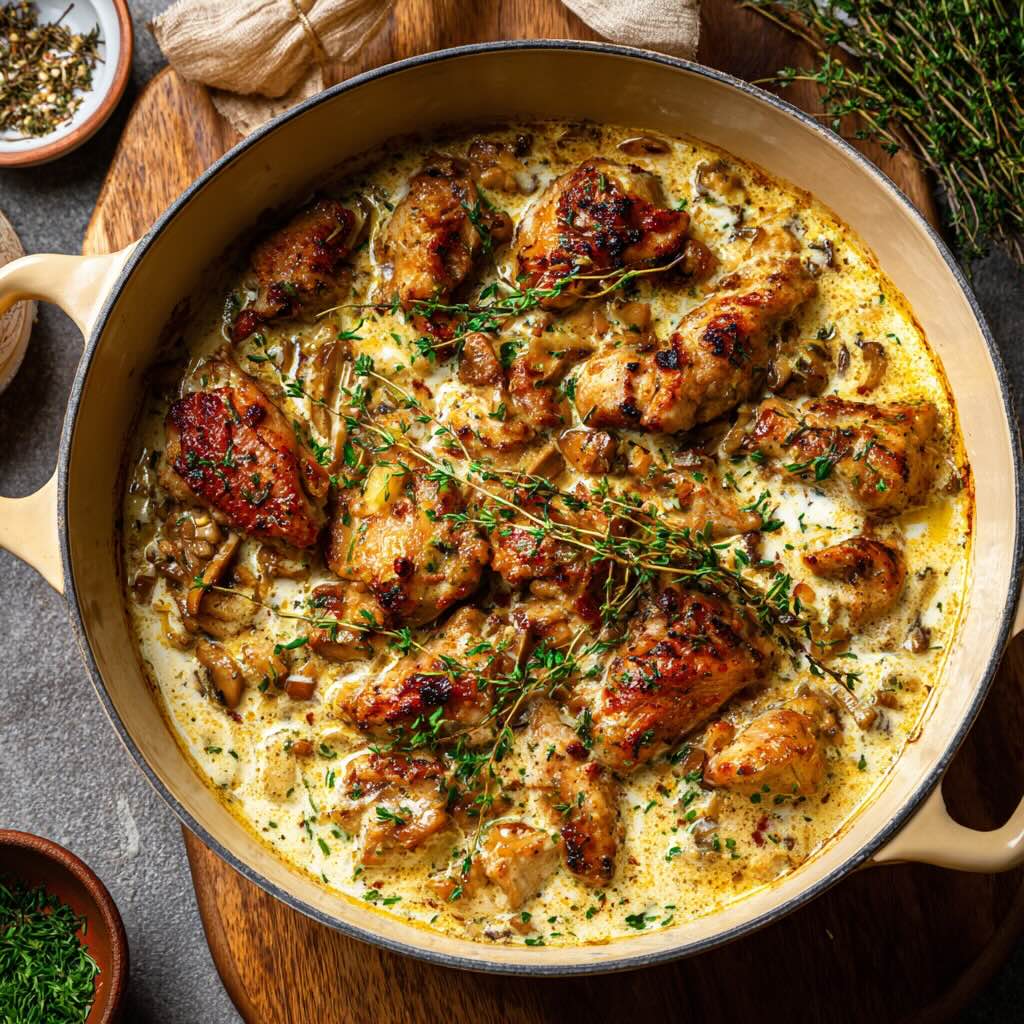
Turkey Wing Stew
A collagen-rich, glycine-heavy slow-cooked stew made from affordable turkey wings — rich in protein, tryptophan, and B vitamins.
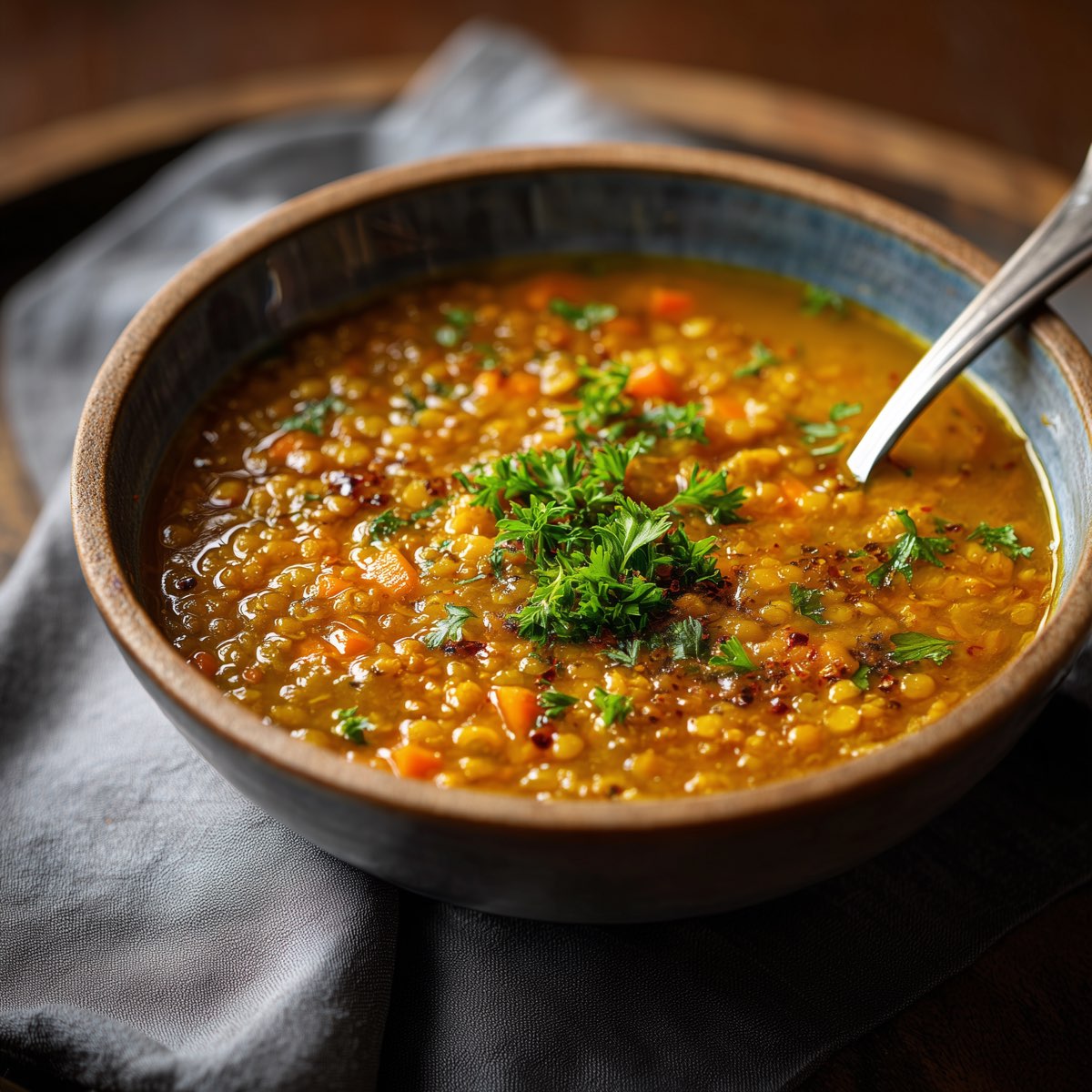
Turmeric Lentil Dahl
Turmeric- and ginger-spiced lentil dish rich in fibre, folate, and polyphenols
Foods
9 food relationships
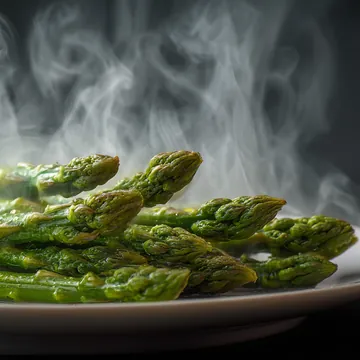
Asparagus
Folate-rich vegetable providing fibre and modest inulin-type fructans
ContainsAsparagus → contains → Kaempferol
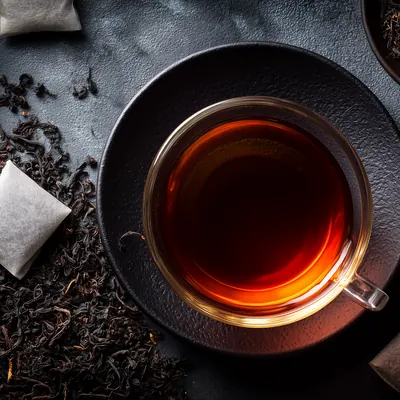
Black Tea
Brewed tea providing theaflavins and catechins in a low-energy drink
ContainsBlack Tea → contains → Kaempferol
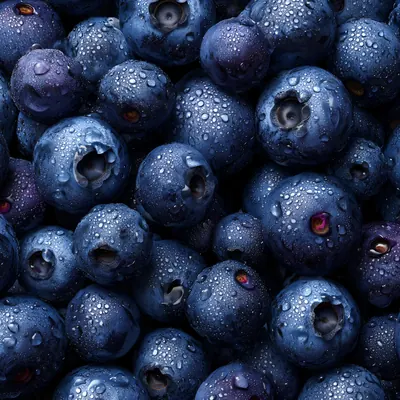
Blueberries
Berries providing anthocyanins, vitamin C and fibre
ContainsBlueberries → contains → Kaempferol
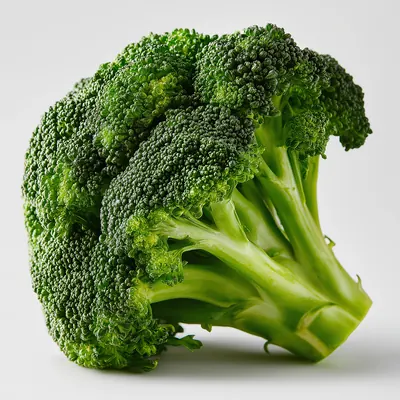
Broccoli
Cruciferous vegetable rich in sulforaphane, folate, and glutathione precursors
ContainsBroccoli → contains → Kaempferol

Kale
Leafy green rich in iron, magnesium, zinc, quercetin, and carotenoids
ContainsKale → contains → Kaempferol



Spinach
Leafy green rich in iron, magnesium, folate, and carotenoids
ContainsSpinach → contains → Kaempferol
Biological Regulatory Systems
| Biological Regulatory System | Evidence-qualified relationship | Evidence |
|---|---|---|
| Inflammation & Oxidative Stress (BRS3) | Isolated kaempferol shows hormetic and senolytic-like activity in experimental systems. A separate aged-mouse study lowered multi-organ senescence and SASP markers and T-cell inflammatory cytokine secretion. Ordinary food exposure has not been shown to reproduce either finding | [1,2,4] |
| Mitochondrial Function & Bioenergetics (BRS4) | Purified kaempferol restored mitochondrial quality control in senescent mouse T cells through SIRT3–LKB1–AMPK mitophagy. That is a resilience finding under immune senescence. Substrate flexibility and glycaemic–insulin regulation were outside the measurements | [4] |
References
[1] Calabrese et al. (2025). Kaempferol, a widely ingested dietary flavonoid and supplement, enhances biological performance via hormesis, especially for ageing-related processes. Integrated review of isolated-kaempferol hormetic dose responses and senolytic-like ageing endpoints.
[2] Dabeek and Marra (2019). Dietary Quercetin and Kaempferol: Bioavailability and Potential Cardiovascular-Related Bioactivity in Humans. Compiles Phenol-Explorer and USDA food sources and reviews human bioavailability and cardiovascular-related dietary flavonol literature.
[3] Neveu et al. (2010). Phenol-Explorer: an online comprehensive database on polyphenol contents in foods. Composition database supporting caper and other polyphenol occurrence records that sit outside the Dabeek compiled table.
[4] Chen et al. (2026). Kaempferol alleviates T-cell immunosenescence and inflammaging in aged mice via the SIRT3-LKB1-AMPK-mitophagy pathway. Aged-mouse chow study of purified kaempferol, with the mitochondrial mechanism measured in senescent T cells. Supports a qualified resilience relationship and does not measure fuel switching or glycaemic–insulin regulation.