Berberine
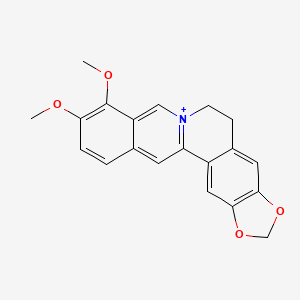
Overview
Berberine is a polyphenolic alkaloid that supports glycemic control, has antimicrobial effects, and modulates the microbiome. It is part of glucose regulation strategies and SIBO suppression protocols. Note: Berberine is typically consumed as a supplement (from plants like barberry, goldenseal, or Oregon grape) rather than from common dietary foods in meaningful amounts, which is why no foods are listed below.
Recipes
Foods
Biological Mechanisms and Implications
No biological targets found for substance: Berberine
References
- Polyphenol antimicrobials including berberine suppress SIBO recurrence, reduce LPS translocation, and increase nutrient absorption of B12, iron, and tryptophan Sinha et al. 2024
- Small intestinal bacterial overgrowth (SIBO) impairs absorption of vitamin B12, iron, and tryptophan, depriving the brain of essential neurotransmitter precursors
- LPS translocation from gut barrier weakness fuels systemic inflammation and impairs insulin sensitivity Mohammad and Thiemermann 2021
- Inflammation from LPS translocation has been linked to disrupting dopamine and serotonin pathways and causing depression Batey et al. 2024
- Berberine improves insulin sensitivity and limits sympathetic activation as part of glucose regulation strategies