Sesamolin

Overview
Sesamolin is the second major native furofuran lignan of sesame, chemically distinct from sesamin. It occurs with sesamin in seeds and tahini; roasting and oil bleaching convert part of it to sesamol and sesaminol [1,2]. It is recorded here as a characteristic sesame-matrix bioactive with emerging laboratory evidence — not as a therapeutic target.
Almost all biological data are preclinical. Neuronal-cell work reports lower oxidative stress and apoptosis; gerbil ischaemia and cultured-microglia experiments describe smaller infarcts and reduced nitric oxide [3]. Other laboratory studies concern lipid accumulation, inflammatory signalling and cancer-cell proliferation [2]. Isolated sesamolin still lacks adequate toxicity, safety and human clinical evidence, and limited solubility is a pharmacological constraint [2]. No numerical amount is assigned to ordinary tahini.
Key Compound Highlights
- Native sesame lignan, usually present at lower levels than sesamin; content varies by cultivar and processing [1].
- Heating and bleaching transform sesamolin toward sesamol and sesaminol; roasting is not universally “better” [1].
- Neuroprotection claims rest on gerbils and microglia, not people [3].
- A major review concludes that isolated sesamolin lacks adequate toxicity, safety and human clinical evidence [2].
- Do not read antioxidant assays or animal infarct models as brain-health outcomes in humans [2,3].
Dietary Context
Food sources
Sesamolin occurs in sesame seeds and tahini. Isolated sesame oil can retain oil-soluble lignans while losing the seed’s protein, fibre and mineral matrix. Amounts vary too much by cultivar and process to quote a typical tahini value [1].
Supplement versus food
There is no adequate isolated-sesamolin clinical trial base [2]. Food-level sesame work (for example 25 g seeds daily) measures mixed lignans, not sesamolin alone, and did not improve cardiometabolic markers [4].
Recipes
1 recipe containing this substance
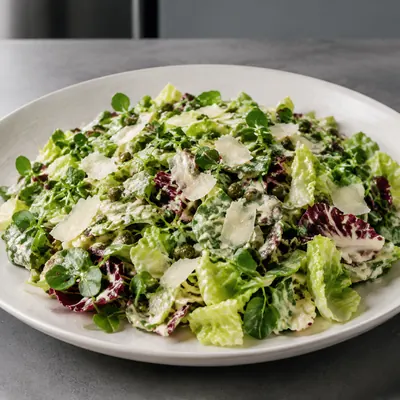
Mixed-Leaf Tahini Caesar Salad
A Caesar-style mixed-leaf salad with a tahini, anchovy, caper and Parmesan dressing, using extra virgin olive oil retained from oil-packed capers.
Foods
2 foods

Sesame Seeds
Whole sesame seed with unsaturated fat, minerals and lignans

Tahini
Ground sesame-seed paste; composition depends on hull and roast
References
[1] Review of sesame lignan chemistry and processing: sesamolin is a major native lignan; roasting and industrial bleaching generate sesamol and sesaminol; content varies by cultivar and seed fraction. Andargie et al. 2021. Lignans of Sesame (Sesamum indicum L.): A Comprehensive Review
[2] Review of isolated sesamolin: laboratory redox, inflammatory and antiproliferative findings; toxicity, safety and human clinical evidence are not adequately reported; limited solubility is a pharmacological constraint. Rosalina and Weerapreeyakul 2021. An Insight into Sesamolin: Physicochemical Properties, Pharmacological Activities, and Future Research Prospects
[3] Gerbil focal cerebral ischaemia and LPS-stimulated rat microglia: sesamin, sesamolin or a sesame-oil extract reduced nitric oxide generation and infarct size. Not a human neurological trial. Cheng et al. 2006. Neuroprotective effects of sesamin and sesamolin on gerbil brain in cerebral ischemia
[4] Food-level sesame crossover (25 g/day, ~50 mg sesame lignans): urinary enterolignans rose; lipids, blood pressure and inflammatory markers did not improve. Mixed-lignan food exposure, not an isolated-sesamolin trial. Wu et al. 2009. Sesame supplementation does not improve cardiovascular disease risk markers in overweight men and women