Sulforaphane
Overview
Sulforaphane is an isothiocyanate produced when the glucosinolate glucoraphanin is hydrolysed by myrosinase, typically after broccoli or broccoli sprouts are chopped or chewed. It is not stored as a stable USDA composition nutrient; amount on the plate depends on cultivar, sprouting, and whether myrosinase remains active after cooking.
It is one of the better-studied food-derived Nrf2-pathway phytochemicals. Evidence is strongest for the isolated compound or standardised broccoli-sprout preparations rather than for every broccoli-containing meal, so food pages record presence with provenance rather than an invented per-100 g value.
Recipes
1 recipe containing this substance
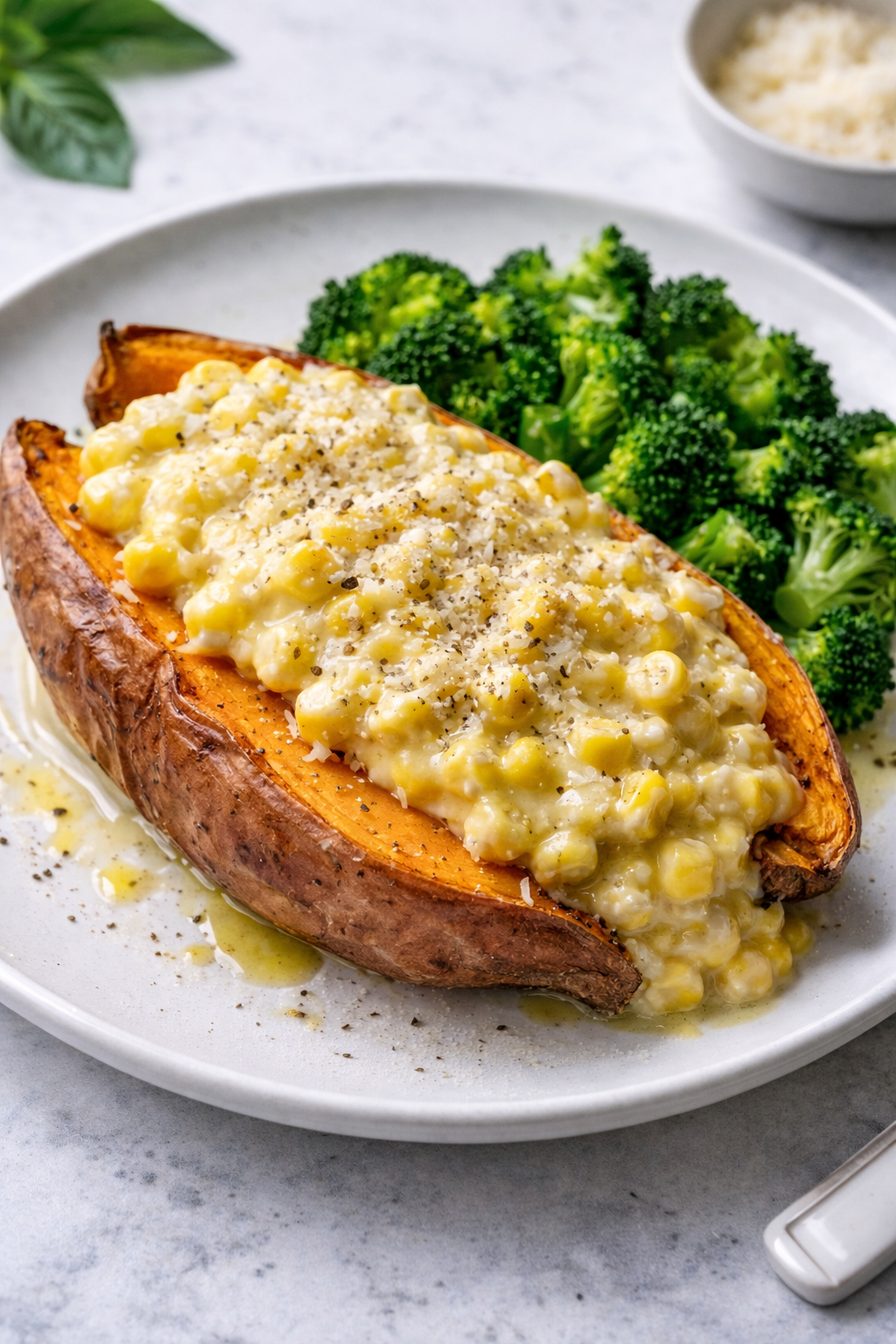
Creamed Corn on Roasted Sweet Potato
Roasted sweet potato with creamed corn and a mixed lipid phase to enhance carotenoid absorption; served with broccoli for fibre and glucosinolates.
Foods
2 food relationships
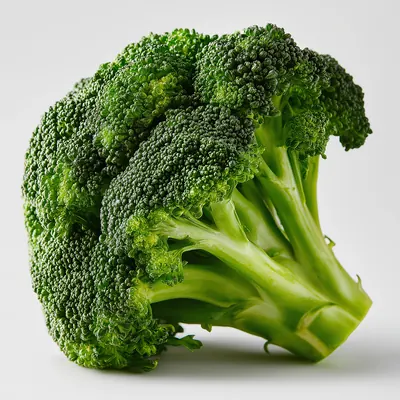
Broccoli
Cruciferous vegetable rich in sulforaphane, folate, and glutathione precursors
Legacy food association · relationship unreviewedBroccoli → legacy tag association → Sulforaphane
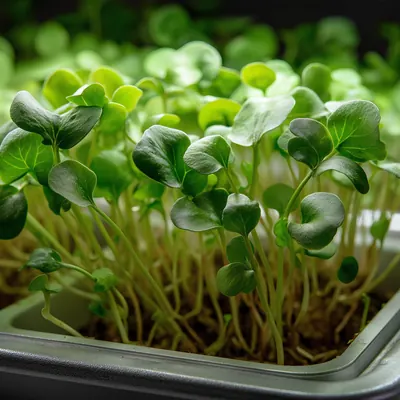
Broccoli Sprouts
Young broccoli sprouts valued for glucoraphanin and sulforaphane potential, vitamin C, and Nrf2-supportive phytochemistry
Legacy food association · relationship unreviewedBroccoli Sprouts → legacy tag association → Sulforaphane
References
[1] Broccoli-derived sulforaphane is a comparatively potent dietary Nrf2 activator, with oral doses able to induce cytoprotective genes; food versus supplement exposure is not interchangeable. Houghton 2016. Sulforaphane and Other Nutrigenomic Nrf2 Activators