Delphinidin
Overview
Delphinidin is one of the principal anthocyanidin structures found within dietary anthocyanins and occurs predominantly in foods as glycosylated derivatives rather than as free delphinidin.
In aubergine peel, a well-described dietary form is nasunin, an acylated delphinidin glycoside. Nasunin is not synonymous with delphinidin, and findings from nasunin or from purple-food interventions should not be attributed to isolated delphinidin. Other foods in this ontology that contain delphinidin-based anthocyanins include blueberries, pomegranates, and red/purple grapes.
No single glycoside is treated here as a general “preferred research form” across all delphinidin-containing foods.
Recipes
5 recipes containing this substance
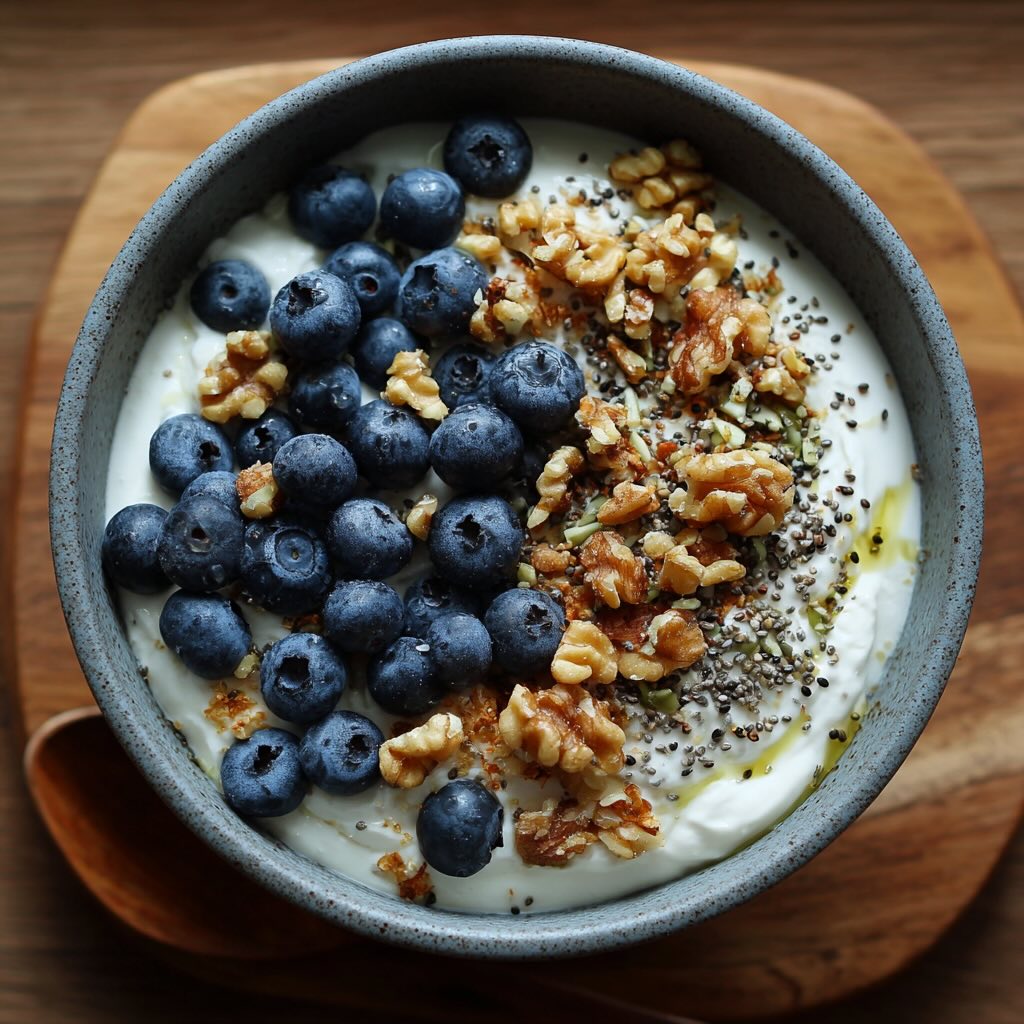
Ginger Yogurt and Blueberries
A polyphenol-rich breakfast bowl with high fibre, combining ginger, omega-3 nuts, blueberry polyphenols, and probiotic yogurt.
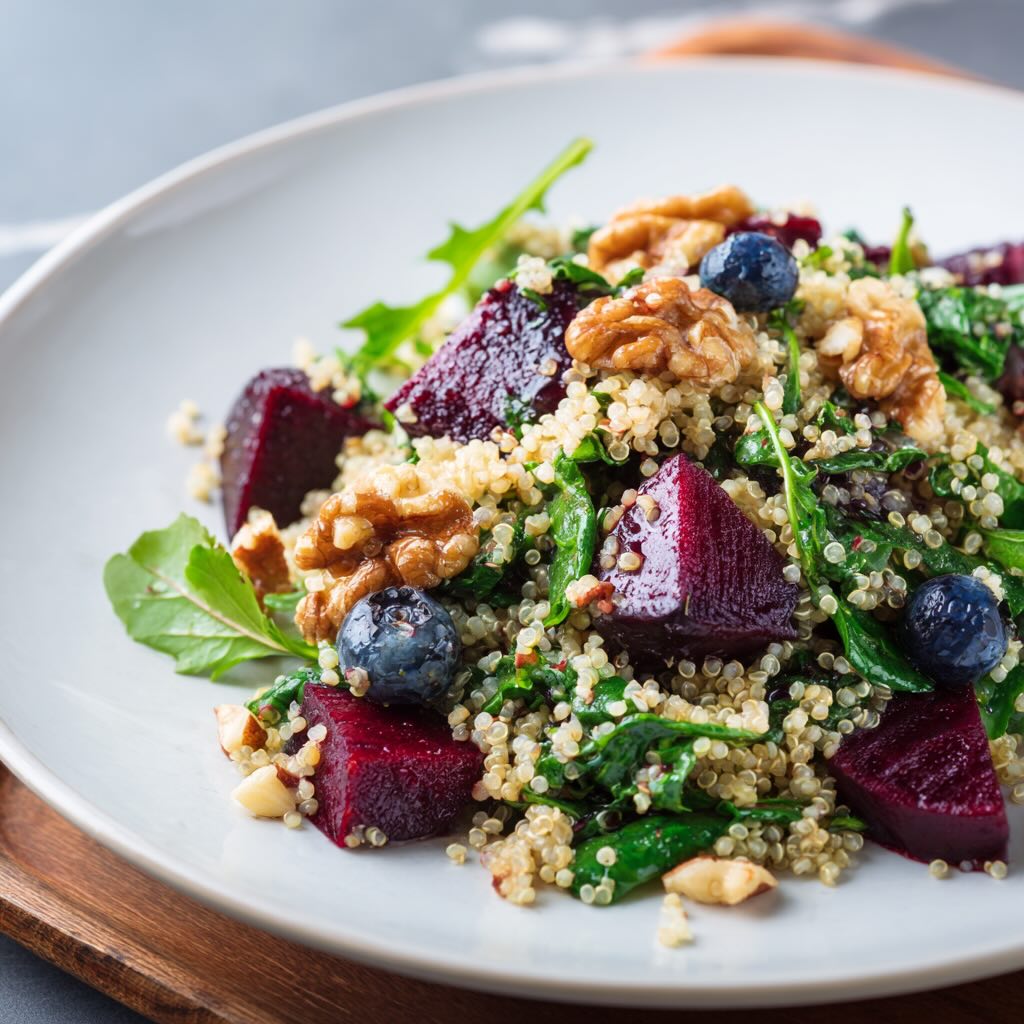
Mitochondrial Power Bowl
A nitrate-rich, polyphenol-dense bowl combining leafy greens, beets, berries, nuts, and early harvest olive oil

Roast Duck Breast with Berry Sauce
A rich main dish built around crisp-skinned duck breast with a bright blueberry and raspberry sauce, designed to balance richness with acidity and aromatic depth.
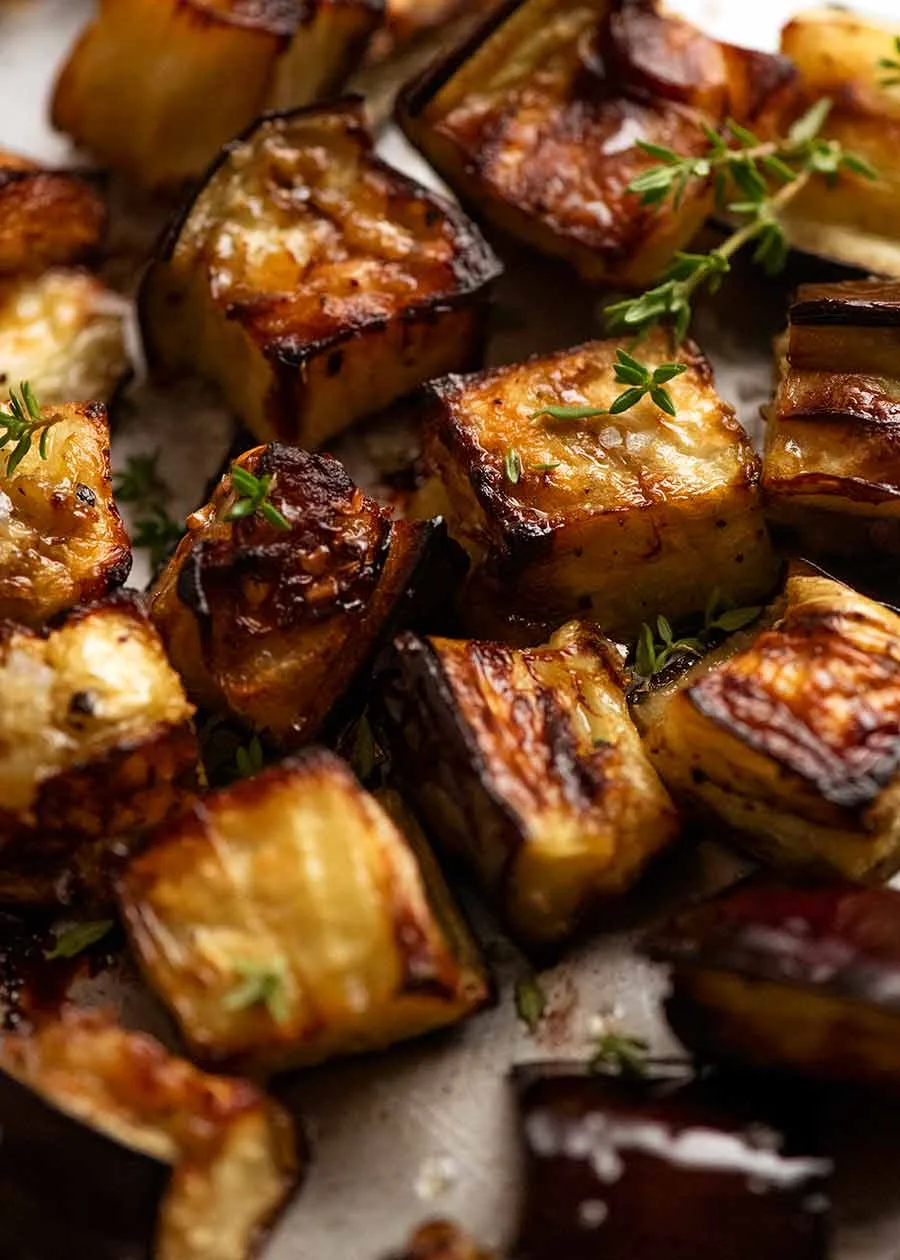
Roasted Aubergine with Herb Olive Oil
Soft roasted aubergine finished with a late-added herb oil of rosemary, thyme, chilli flakes and olive oil, served with a light balsamic drizzle.
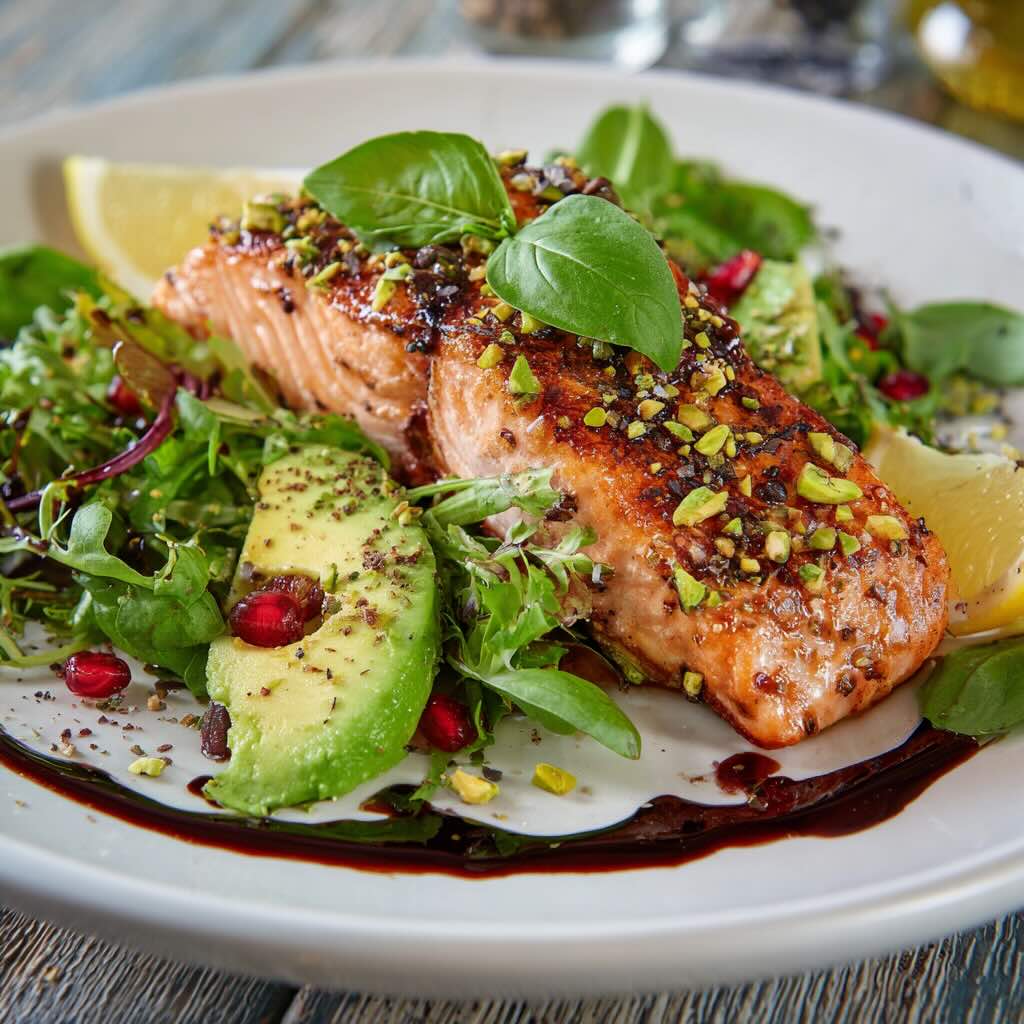
Salmon Bowl-pistachio-cacao-nibs
A Mediterranean-style bowl combining salmon, avocado, pistachios, cacao nibs, and early harvest olive oil — rich in omega-3 fats, polyphenols, and fibre.
Foods
4 food relationships
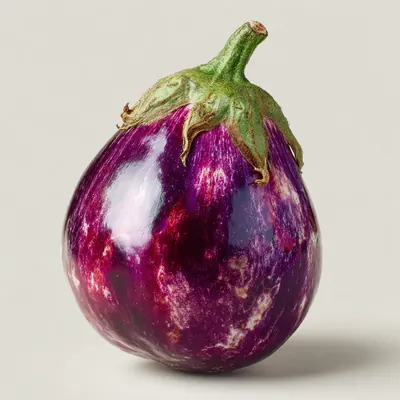
Aubergine
Fibre-containing vegetable with chlorogenic acid and nasunin in its purple skin
Legacy food association · relationship unreviewedAubergine → legacy tag association → Delphinidin
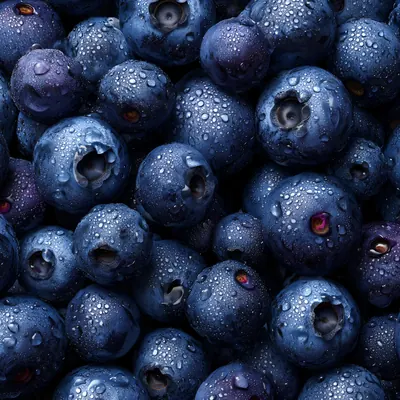
Blueberries
Berries providing anthocyanins, vitamin C and fibre
Legacy food association · relationship unreviewedBlueberries → legacy tag association → Delphinidin

Grapes
Resveratrol source for SIRT1 activation and NAD+ support
Legacy food association · relationship unreviewedGrapes → legacy tag association → Delphinidin

Pomegranates
Ellagitannins for urolithin A production and polyphenol support
Legacy food association · relationship unreviewedPomegranates → legacy tag association → Delphinidin
Biological Mechanisms and Implications
No BRS mapping is assigned to delphinidin as an isolated parent compound. Evidence from anthocyanin-rich foods, mixed extracts, or named glycosides such as nasunin is not treated as a delphinidin effect. Class-level evidence is recorded on the Anthocyanins family page.
References
Class-level citations previously listed here (blueberry interventions; food-derived bioactives and gut microbiota) do not study isolated delphinidin and have been moved to the Anthocyanins family page.