Spermidine
Overview
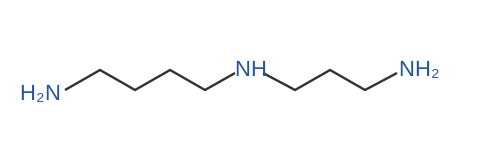
Spermidine is a polyamine: a small molecule with three nitrogen-containing amine groups [1]. It occurs in foods, including soybeans, peas and some cheeses, and is also formed within the body [2]. It belongs to a family that includes putrescine and spermine; measurements of one do not describe the others. It is both a bioactive food constituent and an endogenous metabolite; supplemental extracts provide a different exposure.
Its biological interest concerns cellular maintenance. Experiments link spermidine to autophagy, the recycling of cellular material, and to a protein modification involved in mitochondrial function [3,4]. These findings explain research interest in ageing. However, a 12-month human trial of spermidine-rich wheat-germ extract did not improve its primary memory outcome [5]. Cellular roles and experimental longevity findings therefore do not establish a cognitive benefit from supplementation.
Dietary Origin
Food-composition research reports spermidine in plant and animal foods, with substantial variation between samples and studies. A compiled database identifies dry soybeans, green peas and some cheeses among sources; these are occurrence observations, not a ranked intake prescription [2]. Content depends on the food preparation and analytical sample.
Diet is only one source. Endogenous synthesis and intestinal microorganisms also contribute to polyamine availability [2]. Their relative contribution to an individual's brain pool is not established here. Precursor supply or microbial production must not be confused with direct spermidine content in a food.
The human memory trial used a concentrated wheat-germ extract containing spermidine together with spermine, putrescine and other constituents. It was neither isolated spermidine nor an ordinary wheat-germ meal [5].
Research Spotlights & Evidence Checks
Recipes
Foods
7 food relationships

Natto
Fermented soybeans with unique Bacillus subtilis and vitamin K2
ContainsNatto → contains → Spermidine
Analytical food evidence identifies spermidine in natto; concentration varies with the sample and preparation.

Peas
Plant protein, fiber, and thiamine source
ContainsPeas → contains → Spermidine
Analytical food evidence identifies spermidine in peas; concentration varies with the sample and preparation.

Sesame Seeds
Whole sesame seed with unsaturated fat, minerals and lignans
ContainsSesame Seeds → contains → Spermidine
Analytical food evidence identifies spermidine in sesame seeds; concentration varies with the sample and preparation.
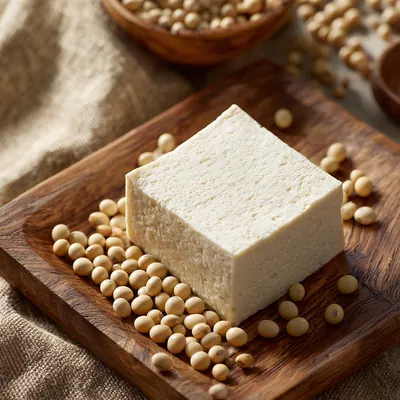
Soy
Complete plant protein with isoflavones (genistein) and choline
ContainsSoy → contains → Spermidine
Analytical food evidence identifies spermidine in soy; concentration varies with the sample and preparation.

Sunflower Seeds
Thiamine source and sunflower lecithin precursor
ContainsSunflower Seeds → contains → Spermidine
Analytical food evidence identifies spermidine in sunflower seeds; concentration varies with the sample and preparation.

Tempeh
Fermented soy providing probiotics and enhanced nutrient bioavailability
ContainsTempeh → contains → Spermidine
Analytical food evidence identifies spermidine in tempeh; concentration varies with the sample and preparation.

Wheat Germ
The wheat-kernel embryo, used as a concentrated grain ingredient; contains spermidine.
ContainsWheat Germ → contains → Spermidine
Analytical food evidence identifies spermidine in wheat germ; concentration varies with the sample and preparation.
Biological Regulatory Systems
| Biological Regulatory System | Evidence-qualified relationship | Evidence |
|---|---|---|
| Mitochondrial Function & Bioenergetics (BRS4) | Experimental eIF5A hypusination evidence connects spermidine with brain mitochondrial function in fruit flies. Human mitochondrial benefit from increasing dietary intake remains unestablished. | [4] |
References
[1] PubChem (2026). Spermidine, CID 1102. Chemical identity, molecular formula and InChIKey for this substance.
[2] Atiya Ali et al. (2011). Polyamines in foods: development of a food database. Food-occurrence compilation and original dairy analyses, distinguishing individual polyamines and sample variability.
[3] Eisenberg et al. (2009). Induction of autophagy by spermidine promotes longevity. Experimental autophagy and longevity evidence, without a human lifespan endpoint.
[4] Schroeder et al. (2021). eIF5A hypusination, boosted by dietary spermidine, protects from premature brain aging and mitochondrial dysfunction. Experimental evidence for a distinct protein-modification route involving mitochondrial respiration and behaviour in fruit flies.
[5] Schwarz et al. (2022). Effects of Spermidine Supplementation on Cognition and Biomarkers in Older Adults With Subjective Cognitive Decline: A Randomized Clinical Trial. Placebo-controlled wheat-germ-extract trial with no significant benefit on the primary memory outcome.