Omega-3 Fatty Acids
Omega-3 fatty acids (ALA, DHA, EPA, DPA)
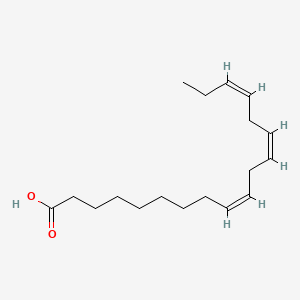
ALA (Alpha-Linolenic Acid)
Essential omega-3 precursor; limited conversion to DHA/EPA
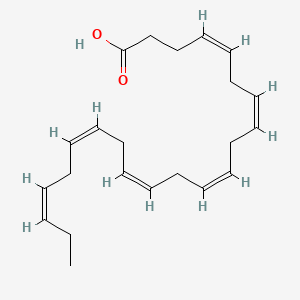
DHA (Docosahexaenoic Acid)
Accounts for ~10–15% of total brain fatty acids, 20–30% of neuronal phospholipids (PE, PS), and >90% of brain omega-3 PUFA; critical for membrane fluidity, synaptic vesicle fusion, neurodevelopment
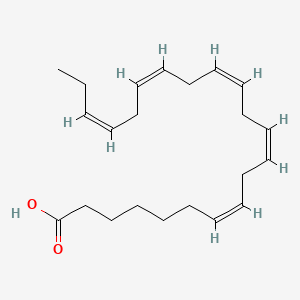
DPA (Docosapentaenoic Acid)
The "intermediate" between EPA ↔ DHA; important in vascular health, repair, and immune modulation
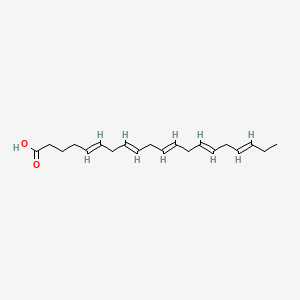
EPA (Eicosapentaenoic Acid)
Potent anti-inflammatory; precursor to E-series resolvins; modulates dopamine and serotonin signalling

Omega-3 Fatty Acids
(EPA, DHA) Anti-inflammatory, membrane, and neuromodulatory lipids central to BRAIN Diet
Overview
Omega-3 fatty acids, particularly EPA (eicosapentaenoic acid) and DHA (docosahexaenoic acid), are essential polyunsaturated fats that are central to the BRAIN Diet. DHA constitutes approximately 14% of brain polyunsaturated fatty acids and is critical for membrane fluidity, neurotransmitter receptor function, and synaptic plasticity. Omega-3s produce specialized pro-resolving mediators (SPMs) including resolvins, protectins, and maresins, which actively terminate inflammation without suppressing immune function. They also support the endocannabinoid system through production of N-acyl ethanolamines, improve vagal tone and heart rate variability, and work synergistically with B vitamins in methylation processes. Phospholipid-bound forms (from krill oil, fish roe) cross the blood-brain barrier more efficiently than triglyceride forms.
Recipes
3 recipes containing this substance
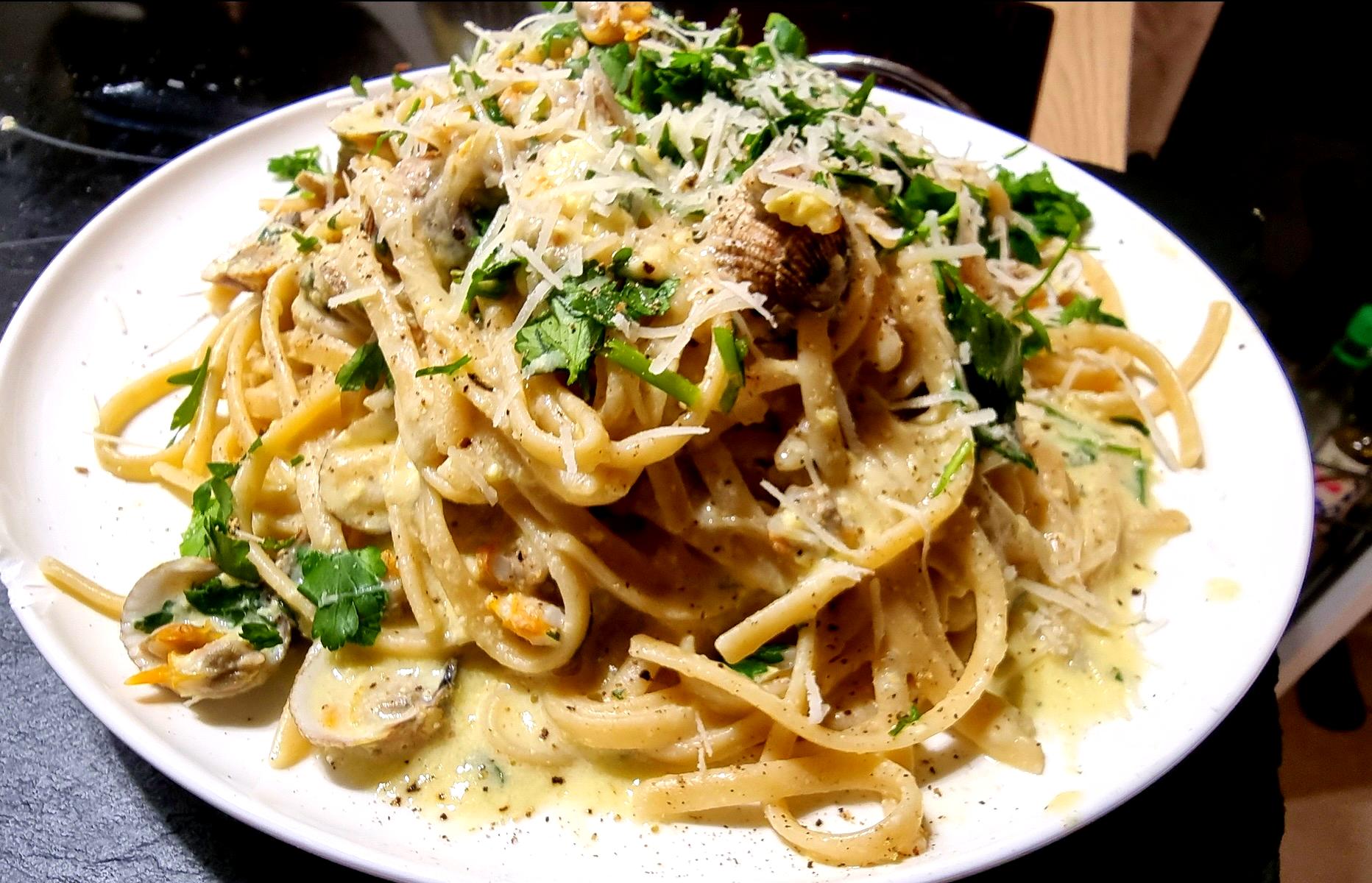
Linguine alle vongole mantecate (Linguine with cockles in a silky emulsified sauce)
Whole-wheat linguine with cockles in a silky emulsified sauce; Italian emulsification technique without cream, supporting taurine, B12, and choline intake.
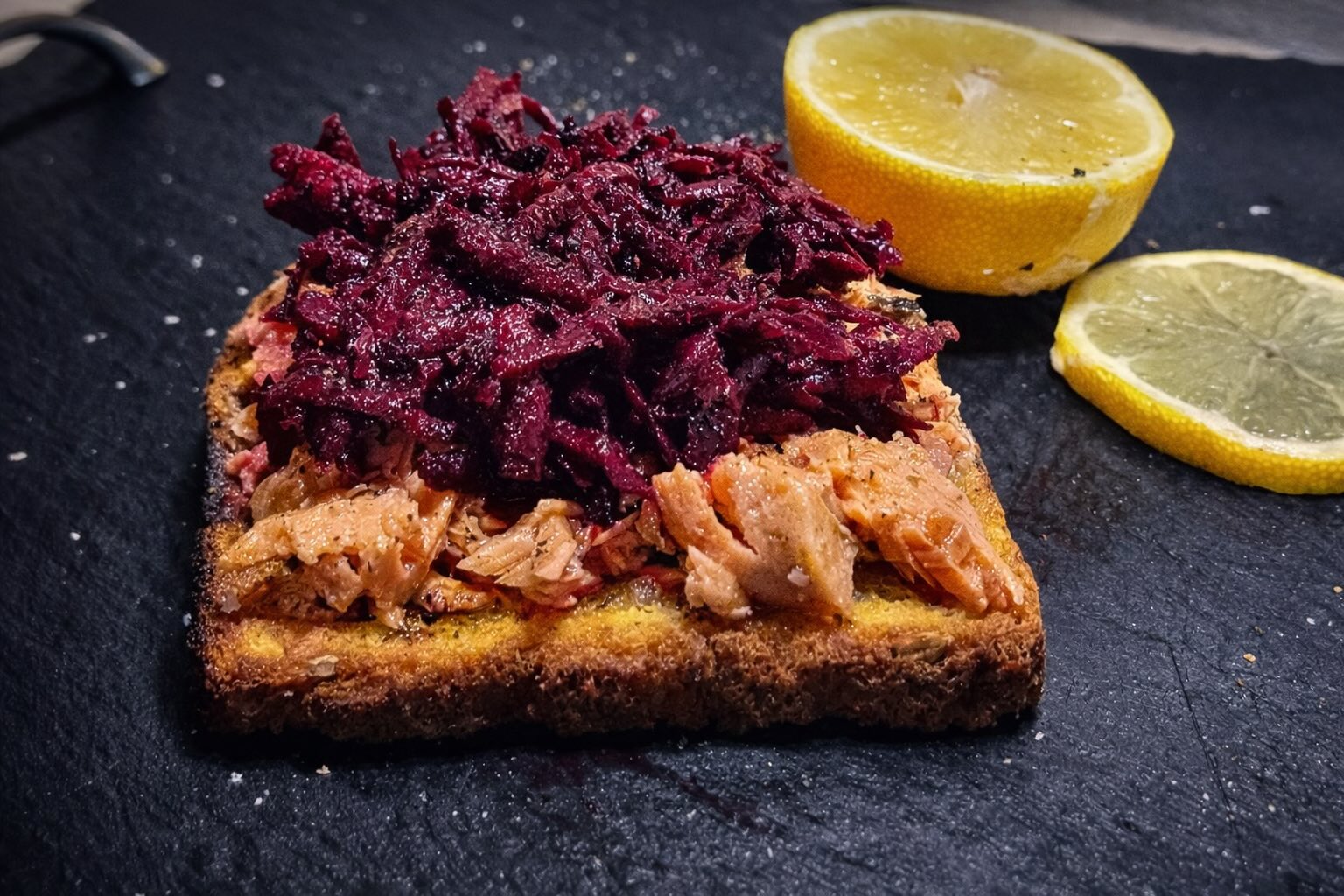
Salmon & Grated Beetroot Toast (with Lemon)
A fast, brain-forward open sandwich combining omega-3 rich salmon, nitrate/polyphenol beetroot, and lemon acidity for a sharp, savoury bite.
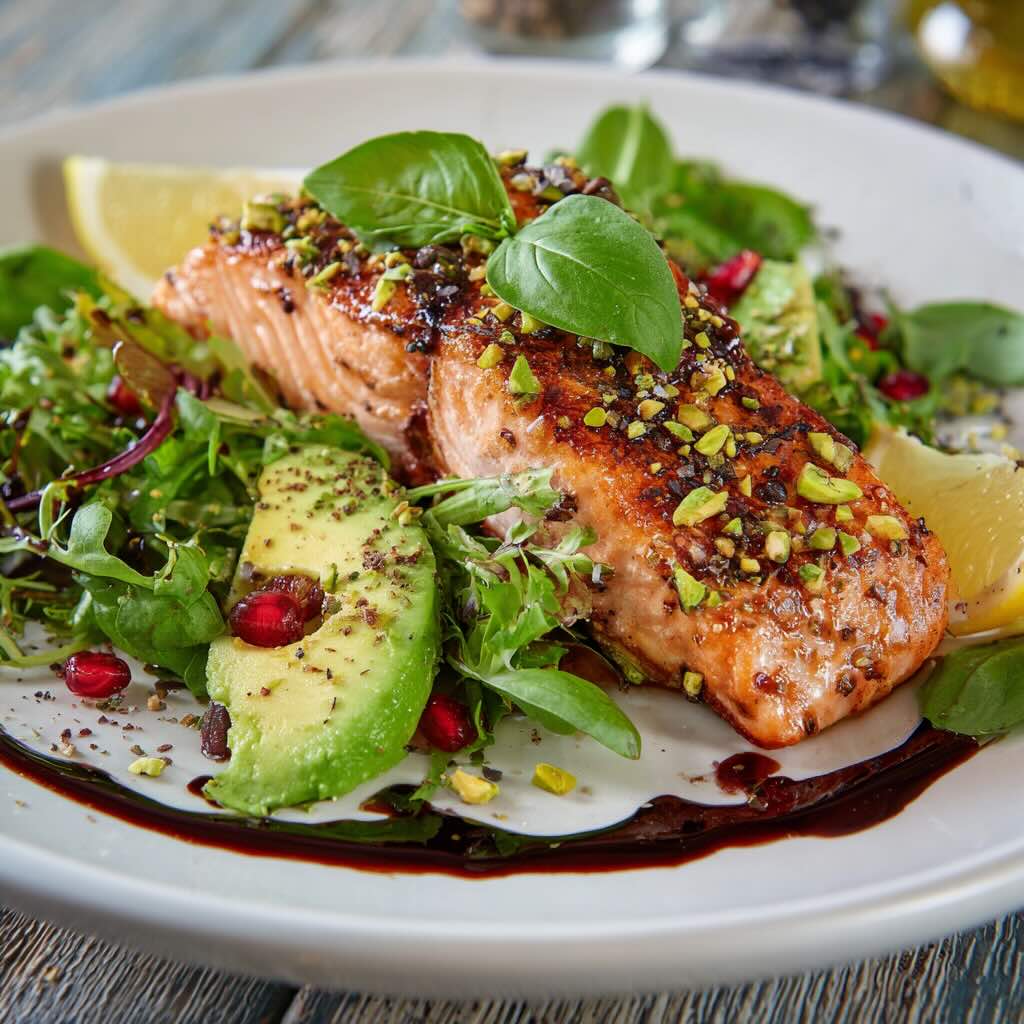
Salmon Bowl-pistachio-cacao-nibs
A Mediterranean-style bowl combining salmon, avocado, pistachios, cacao nibs, and early harvest olive oil — rich in omega-3 fats, polyphenols, and fibre.
Foods
14 foods containing this substance
Algal Oil
Vegan DHA source from microalgae

Cockles
Bivalve shellfish providing B12, iron, zinc, selenium, and marine taurine
Cod
Lean fish with omega-3, taurine, and creatine
Fish Roe
General category of fish eggs providing phospholipid-bound omega-3s
Herring
Oily fish rich in EPA/DHA omega-3s
Lumpfish Roe
Fish roe providing phospholipid-bound omega-3s
Mackerel
Oily fish rich in EPA/DHA, CoQ10, taurine, and vitamin D
Mussels
Nutrient-dense bivalve providing phospholipid-bound omega-3s; accepted by some vegans (ostroveganism)
Oysters
Highest zinc content among common foods; unique source of phospholipid-bound omega-3s; accepted by some vegans (ostroveganism)
Salmon
Oily fish rich in EPA/DHA, protein, and B vitamins
Salmon Roe
Phospholipid-bound omega-3s with superior brain bioavailability
Sardines
Small oily fish rich in EPA/DHA, CoQ10, and calcium
Seaweed
Iodine, EPA (in red algae), magnesium, and trace minerals
Tuna
Fish providing omega-3, niacin, selenium, and complete protein
Biological Mechanisms and Implications
| Biological Target | Therapeutic Areas | Mechanism of Action |
|---|---|---|
| Inflammation & Oxidative Stress | Essential omega-3 precursor; limited conversion to DHA/EPA; contributes to omega-3 pool for anti-inflammatory effects |
References
- Lipids constitute 50–60% of brain dry weight; DHA ~14% of brain PUFA varies by region; omega-3s influence gene expression, neurotransmission, inflammation resolution, and synaptic plasticity McNamara and Carlson 2006
- Phospholipid-bound omega-3s (e.g., krill oil, fish roe) enhance brain DHA accretion via LPC transport; APOE4 carriers show reduced brain DHA uptake Arellanes et al. 2020
- DHA or EPA incorporated into PC and converted into lysophosphatidylcholine (LPC) crosses the blood-brain barrier far more efficiently than free fatty acid or triglyceride-bound forms Patrick 2019
- Phospholipid-bound omega-3s such as krill oil and fish roe were 1.9-fold more efficacious for brain gray matter DHA accretion in porcine models Liu et al. 2014
- Specialized pro-resolving mediators (SPMs), derived from omega-3s (DHA and EPA), terminate inflammation without suppressing immune surveillance; include resolvins, protectins, and maresins Serhan and Petasis 2011
- SPMs modulate endothelial function through nitric oxide release and support neuroprotection by limiting glutamate-induced excitotoxicity Briones et al. 2025
- In a controlled endotoxemia model, high-dose EPA+DHA (3.6 g/day) attenuated fever and downstream cytokines, suggesting omega-3s reshape the resolution phase of acute inflammation Ferguson et al. 2014
- Phospholipid methylation (PLM), enhanced by dopamine D4 receptor activity, alters membrane structure, facilitating faster neuronal recovery and influencing ion channel behavior in gamma oscillations Martel et al. 2011
- Abnormalities in membrane composition and PLM have been linked to impaired ion channel regulation and reduced gamma-band activity in ADHD Wilson et al. 2012
- While folate is normally considered the primary nutrient for homocysteine reduction, long-chain omega-3 fatty acids and vitamin B12 also contribute meaningfully; B12+fish oil lowered plasma homocysteine by 39% Tao Huang et al. 2015
- B vitamin supplementation slowed cognitive decline only in participants with adequate omega-3 status, supporting a nutrient synergy model Oulhaj et al. 2016
- Western diets can skew n-6:n-3 ratio as high as 20:1, contributing to chronic inflammation and neurotransmitter dysregulation Simopoulos 2011
- Most research showing brain function improvements lean towards higher ratio of EPA to DHA (e.g., 2:1 ratio), with DHA having a more structural role and EPA with a more functional role Pei-Chen Chang 2021