Betaine
Overview
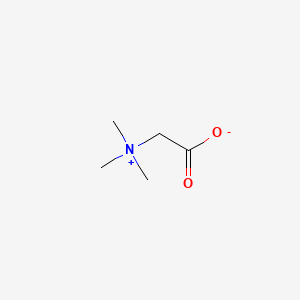
Betaine, also called glycine betaine, is trimethylglycine. It occurs in beets, spinach, wheat germ and quinoa, and the body can also make it by oxidising choline. This page treats it as that food constituent and as a studied supplement, not as a substitute for choline, beetroot nitrate or a mixed diet [1,2].
In liver and kidney it is an osmolyte and the methyl donor that betaine-homocysteine methyltransferase uses to turn homocysteine into methionine [2,3]. A 2023 review of brain research finds proposed benefits in neurodegeneration and GABA-related imbalance, but the cellular mechanism and the role of the betaine-GABA transporter are not established [2]. A low-dose supplement can lower plasma homocysteine in healthy adults. That blood result is not a cognitive outcome and not a food trial [4].
Dietary Origin
Betaine occurs directly in some foods. The corrected USDA choline database reports 130 mg per 100 g in raw beets, 630 mg per 100 g in quinoa (one sample), 410 mg per 100 g in toasted wheat germ, and 110–130 mg per 100 g in frozen spinach [1]. An earlier release overestimated betaine in some grain foods, seafood and spinach; those higher figures are not used here. Wheat bran is named as a rich source, but there is no wheat-bran food in this ontology. The shrimp page is not linked: the corrected database does not report betaine for canned shrimp [1].
Choline can be oxidised to betaine in mitochondria. That is a precursor route, not evidence that a choline-rich food contains betaine [2]. Supplemental betaine is a separate exposure. Oral betaine at 6–9 g/day is a licensed treatment for homocystinuria. That dose is a medicine, not a food pattern [2].
Research Spotlights & Evidence Checks
Recipes
9 recipes containing this substance
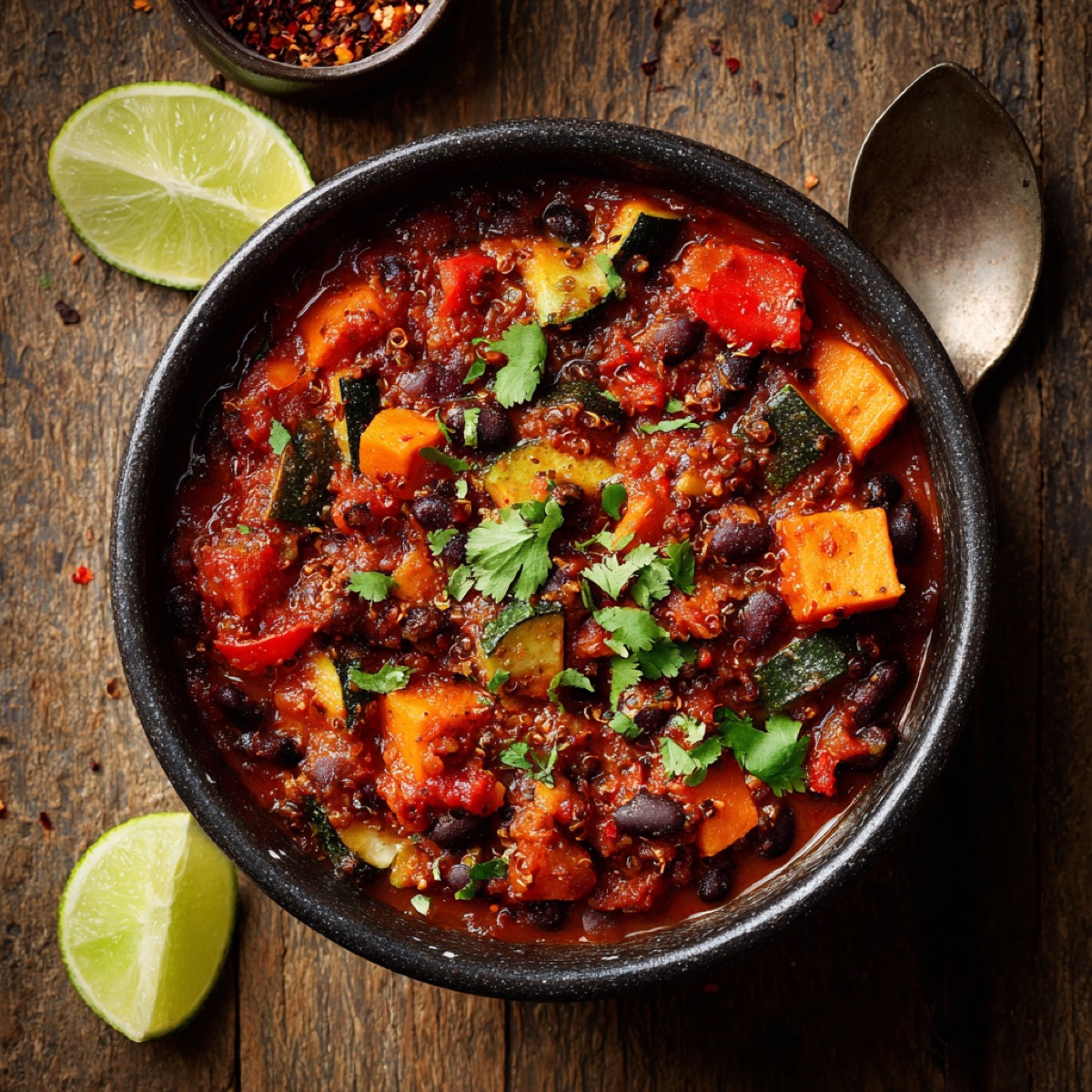
Black Bean & Sweet Potato Vegetable Chilli
A fibre-rich bean and vegetable chilli with warming spices and slow carbohydrates for steady energy and satiety.
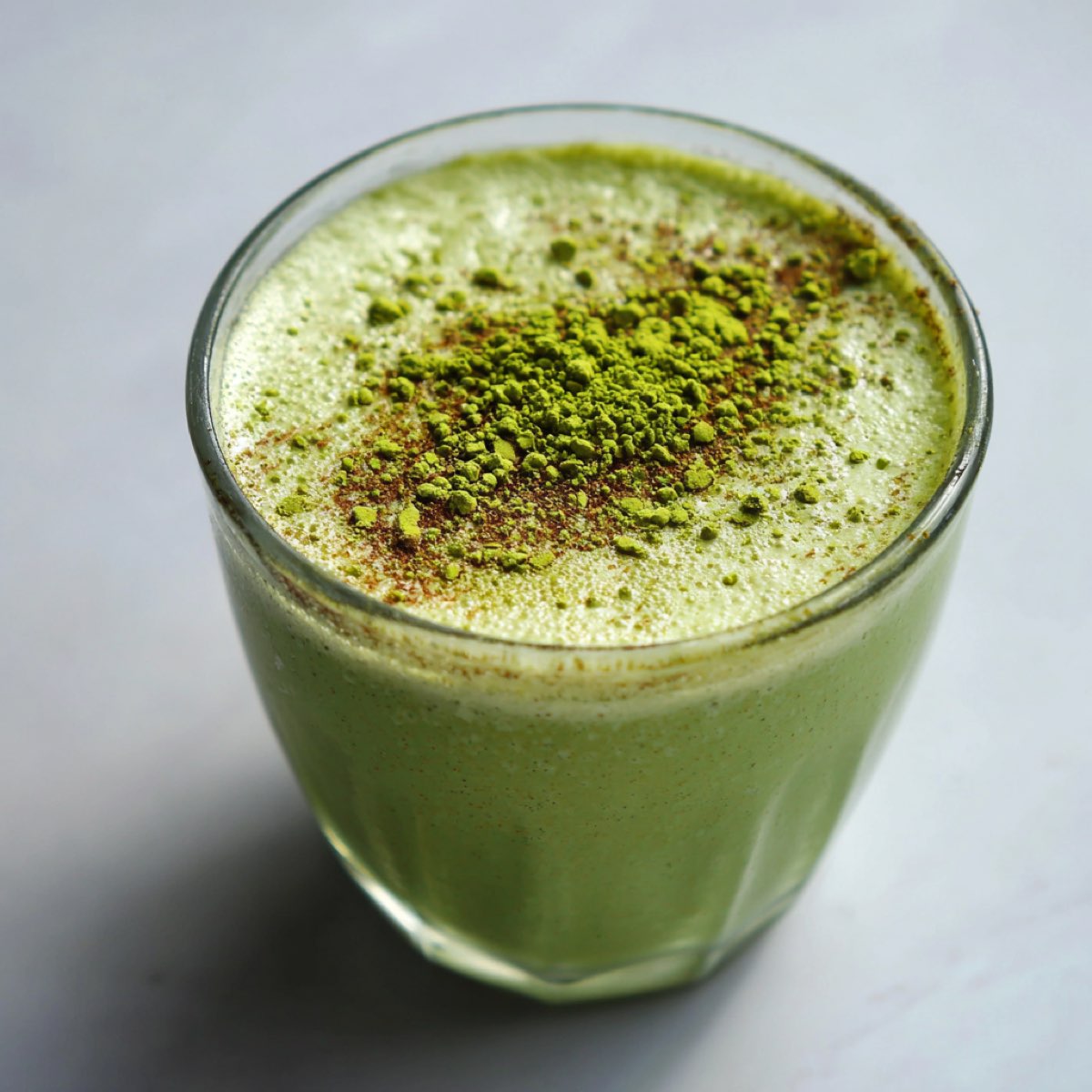
Matcha Mitochondria Smoothie
Mitochondrial energising smoothie rich in polyphenols, magnesium, and antioxidants
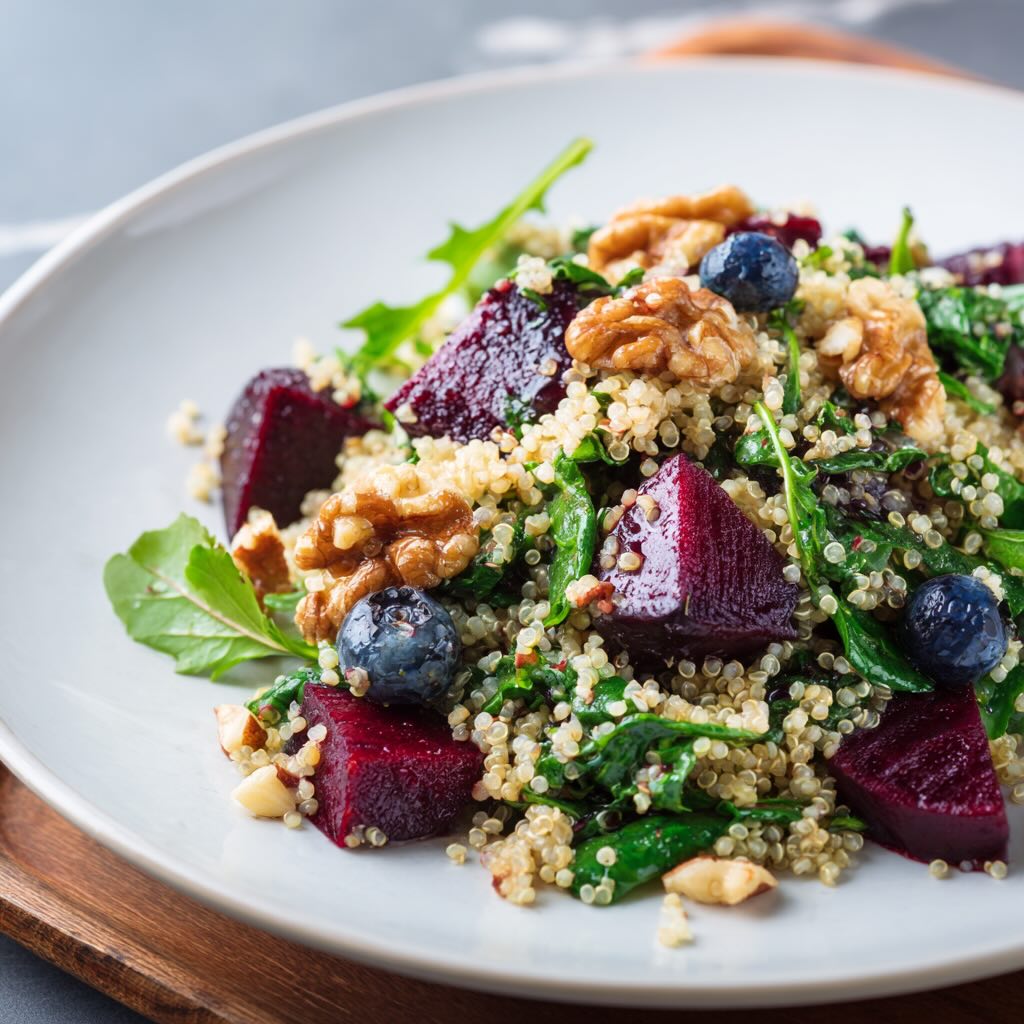
Mitochondrial Power Bowl
A nitrate-rich, polyphenol-dense bowl combining leafy greens, beets, berries, nuts, and early harvest olive oil
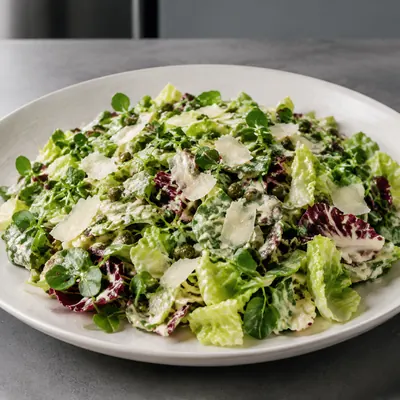
Mixed-Leaf Tahini Caesar Salad
A Caesar-style mixed-leaf salad with a tahini, anchovy, caper and Parmesan dressing, using extra virgin olive oil retained from oil-packed capers.
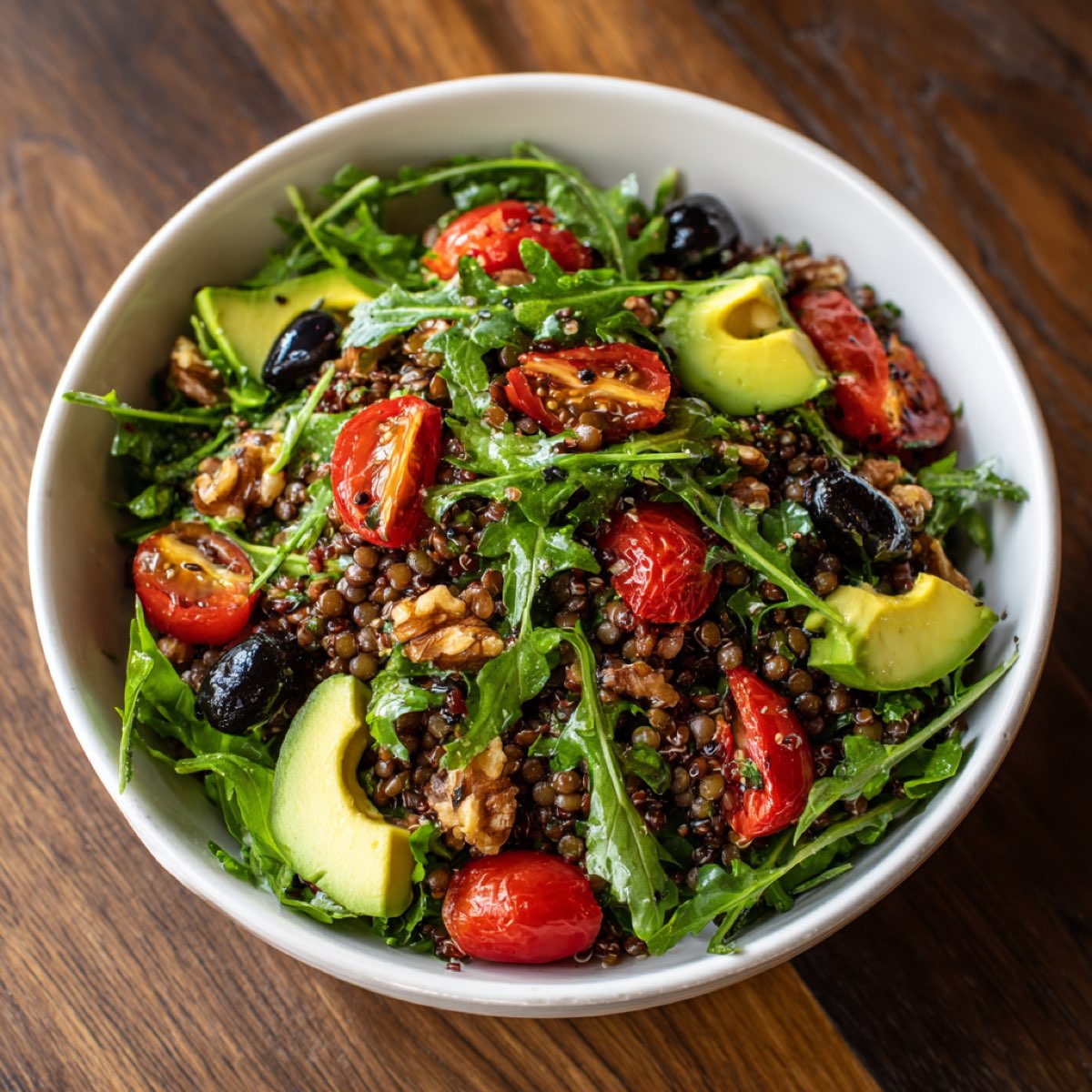
Rocket Lentil Avocado Midday Salad (Gut-Supporting)
Polyphenol-rich midday salad with quinoa or lentils, vegetables, avocado, and early harvest olive oil
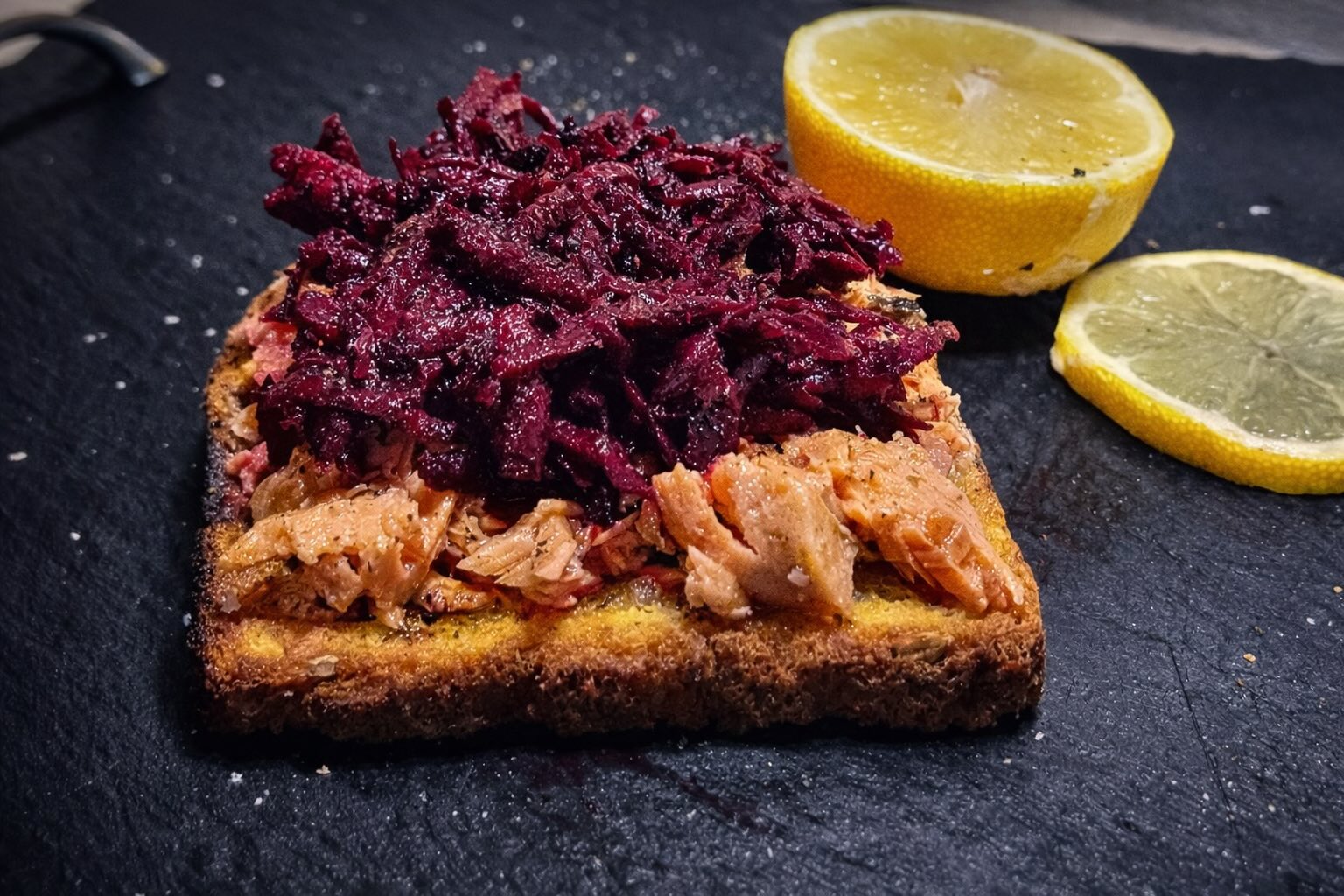
Salmon & Grated Beetroot Toast (with Lemon)
A fast, brain-forward open sandwich combining omega-3 rich salmon, nitrate/polyphenol beetroot, and lemon acidity for a sharp, savoury bite.
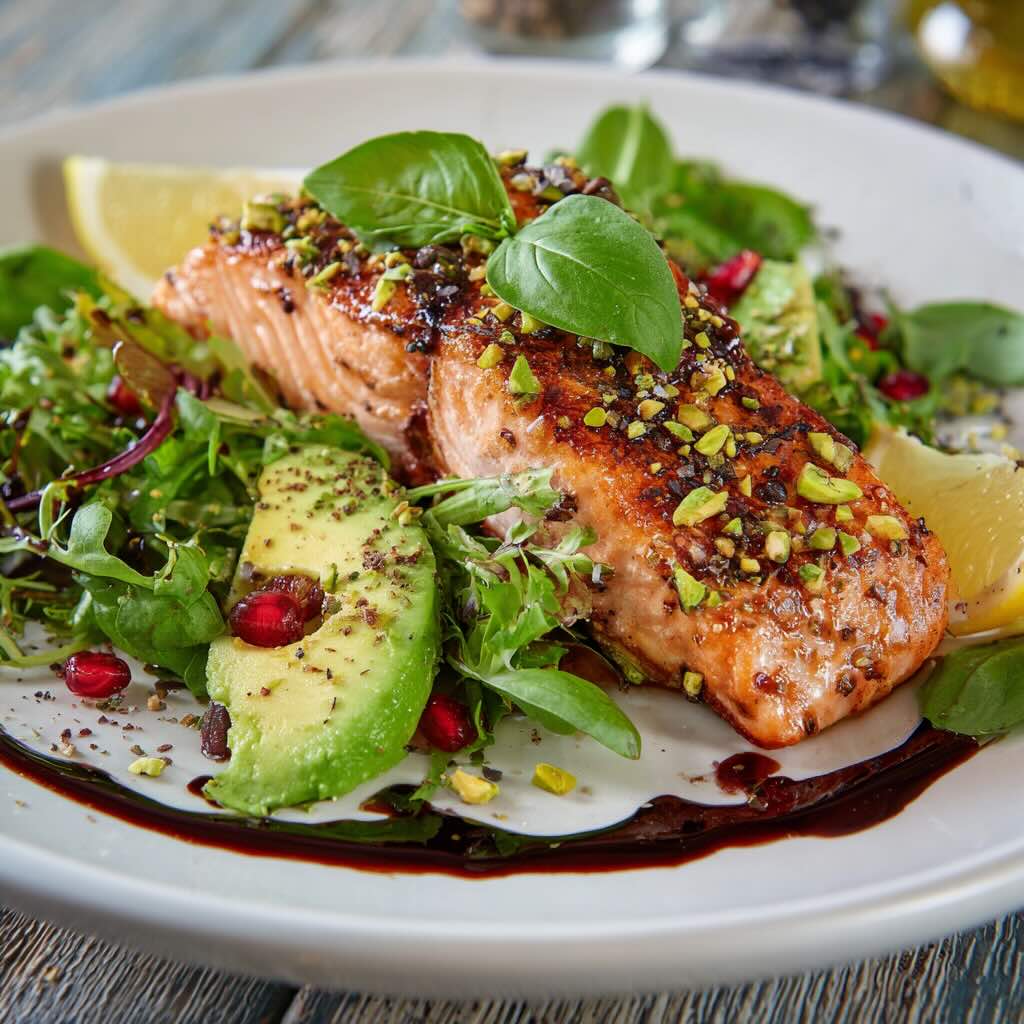
Salmon Bowl-pistachio-cacao-nibs
A Mediterranean-style bowl combining salmon, avocado, pistachios, cacao nibs, and early harvest olive oil — rich in omega-3 fats, polyphenols, and fibre.
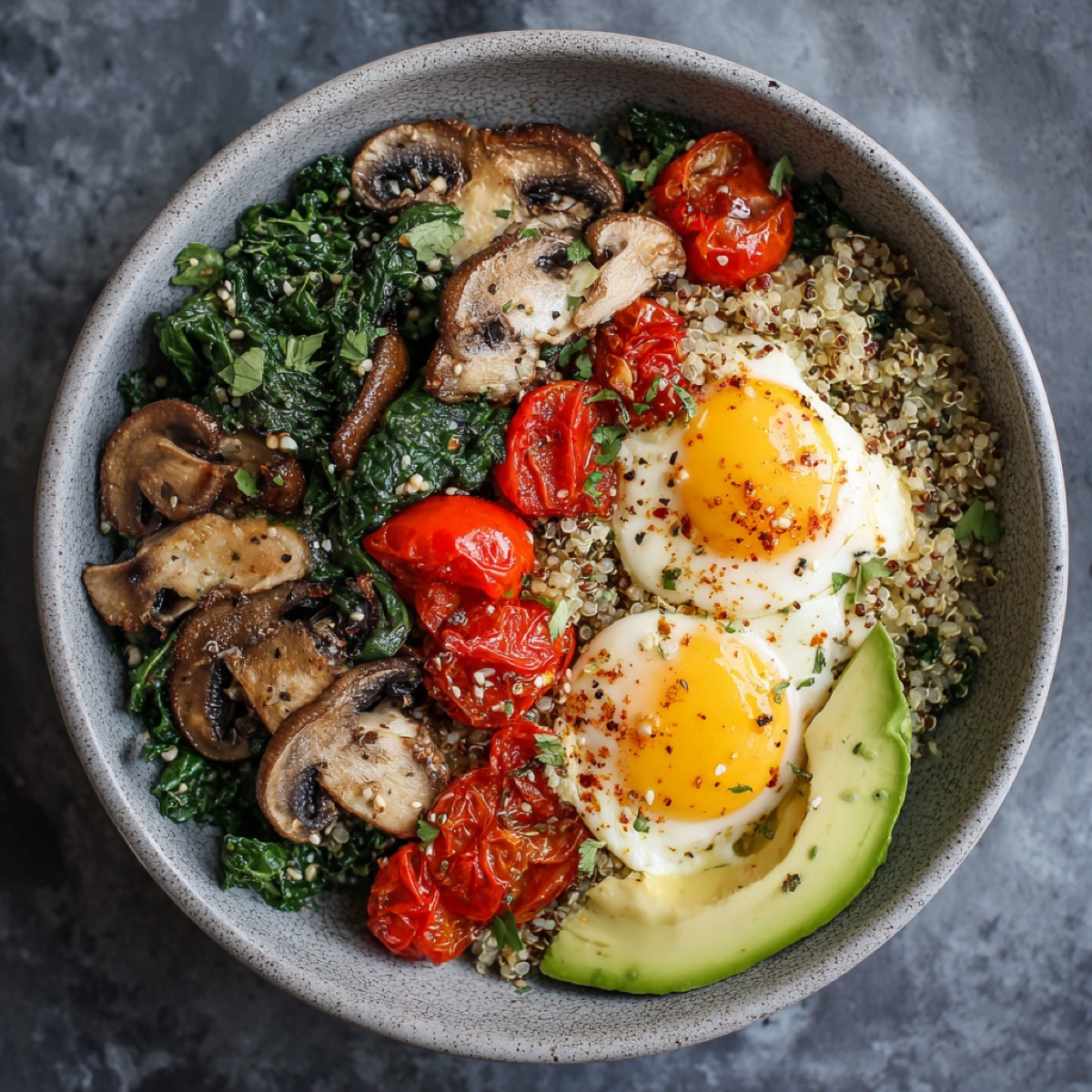
Savoury Greens & Egg Breakfast Skillet
A warm savoury breakfast skillet with eggs, greens, and slow carbohydrates for steady morning energy.
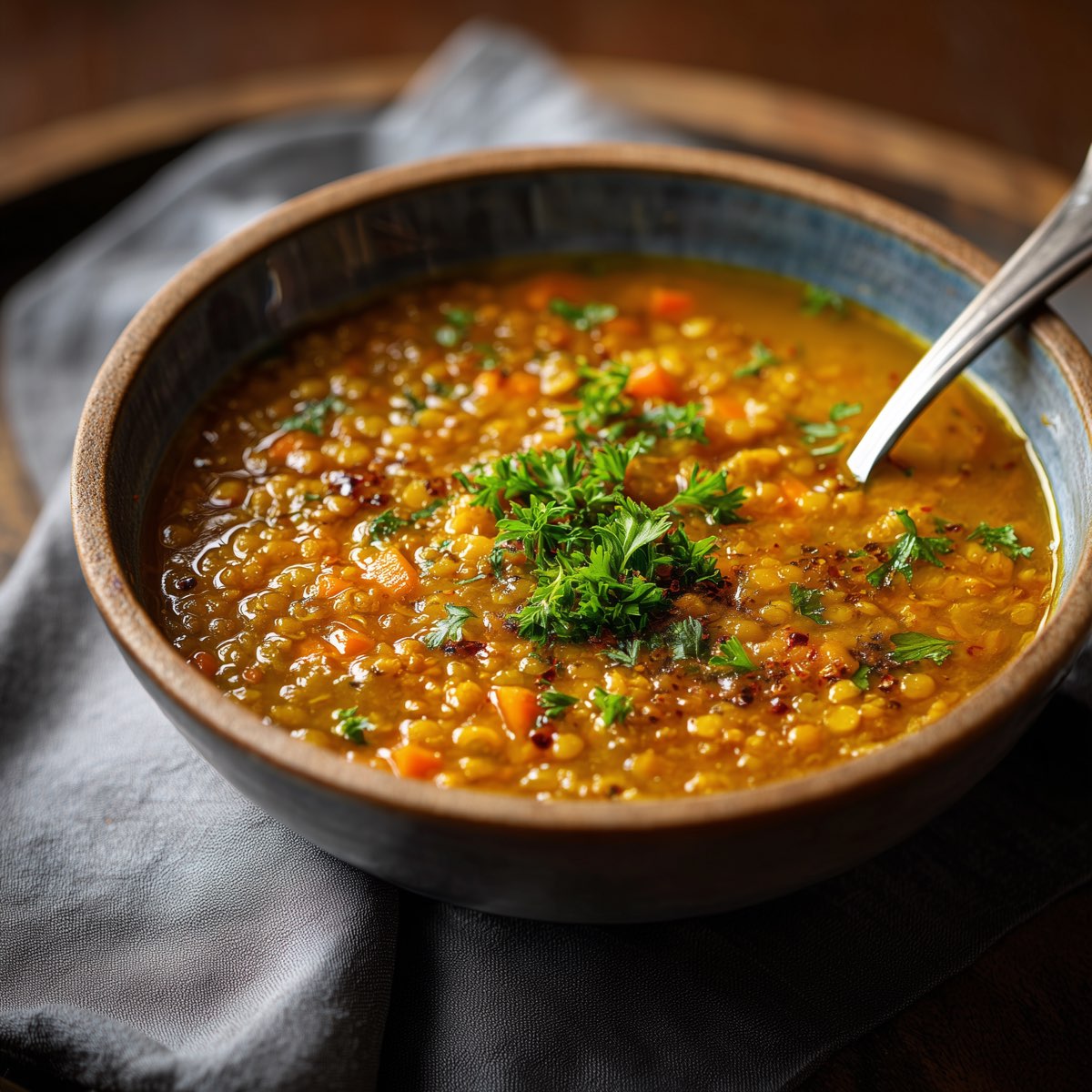
Turmeric Lentil Dahl
Turmeric- and ginger-spiced lentil dish rich in fibre, folate, and polyphenols
Foods
4 food relationships
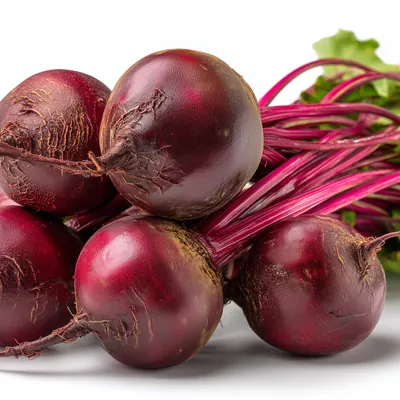
Beetroot
Root vegetable providing dietary nitrate and betalain pigments
ContainsBeetroot → contains → Betaine
Raw beets contained 130 mg betaine per 100 g in the corrected USDA choline database. That assay is separate from this page’s other nutrients.

Quinoa
Pseudograin with magnesium, iron, and balanced plant protein
ContainsQuinoa → contains → Betaine
The corrected USDA choline database reports 630 mg betaine per 100 g in quinoa, from one sample. That assay is separate from this page’s other nutrients.

Spinach
Leafy green rich in iron, magnesium, folate, and carotenoids
ContainsSpinach → contains → Betaine
Frozen spinach preparations contained 110–130 mg betaine per 100 g in the corrected USDA database. This page records raw spinach, so that figure is not its composition panel.

Wheat Germ
The wheat-kernel embryo, used as a concentrated grain ingredient; contains spermidine.
ContainsWheat Germ → contains → Betaine
Toasted wheat germ contained 410 mg betaine per 100 g in the corrected USDA database. This page records crude wheat germ, so that figure is a related preparation, not this panel.
Biological Regulatory Systems
| Biological Regulatory System | Evidence-qualified relationship | Evidence |
|---|---|---|
| Methylation & One-Carbon Metabolism (BRS2) | Betaine is the methyl-donor substrate for betaine-homocysteine methyltransferase. A supplement can lower plasma homocysteine. That does not measure tissue enzyme flux or a cognitive outcome | [2,3,4] |
References
[1] Patterson et al. (2008). USDA Database for the Choline Content of Common Foods, Release 2. Corrected food-composition values for betaine in raw beets, quinoa, toasted wheat germ and frozen spinach, after earlier overestimates in some grain foods, seafood and spinach.
[2] Bhatt et al. (2023). Betaine—The dark knight of the brain. Identifies dietary betaine and choline oxidation, the liver and kidney methyl-donor role, and the unsettled status of brain transport and proposed neurological benefits.
[3] Evans et al. (2002). Betaine-homocysteine methyltransferase: zinc in a distorted barrel. Enzyme structure showing betaine as the methyl donor that converts homocysteine to methionine.
[4] Olthof et al. (2003). Low Dose Betaine Supplementation Leads to Immediate and Long Term Lowering of Plasma Homocysteine in Healthy Men and Women. Supplemental betaine lowered plasma homocysteine in healthy adults. Not a food trial and not a cognitive outcome.
BRS matrix — individual KC inputs
| BRS / PM | Relationship | Biological role and limitation |
|---|---|---|
| BRS1 · BRS1-FM1-PM3 BRS2(KC1) | Supported upstream supply | Betaine donates methyl groups through BRS2 PM2 — BHMT remethylation, predominantly in liver and kidney, replenishing methionine upstream of BRS2 PM3 — SAM synthesis. SAM is used by COMT during dopamine metabolism. Limitation: This is peripheral BHMT supply, not neuronal BHMT activity or measured delivery into neural SAM. Dietary methionine and folate remethylation provide alternatives. Homocysteine lowering does not establish regional clearance, a limiting constraint or benefit from extra intake. Obeid (2013) [25] Evans et al. (2002) [27] Bailey et al. (2021) [26] Lotta et al. (1995) [29] |
| BRS1 · BRS1-FM1-PM4 BRS2(KC1) | Supported upstream supply | Betaine donates methyl groups through BRS2 PM2 — BHMT remethylation, predominantly in liver and kidney, replenishing methionine upstream of BRS2 PM3 — SAM synthesis. SAM is used by COMT during noradrenaline metabolism. Limitation: This is peripheral BHMT supply, not neuronal BHMT activity or measured delivery into neural SAM. Dietary methionine and folate remethylation provide alternatives. Homocysteine lowering does not establish regional clearance, a limiting constraint or benefit from extra intake. Obeid (2013) [20] Evans et al. (2002) [22] Bailey et al. (2021) [21] Lotta et al. (1995) [24] |
| BRS1 · BRS1-FM3-PM7 BRS2(KC1) | Supported upstream supply | Betaine donates a methyl group through hepatic BRS2 PM2 — BHMT remethylation, replenishing methionine/SAM used by BRS2 PM7 — PEMT formation upstream of DHA-bearing LPC carrier delivery. Limitation: Supported biochemical supply chain, not a demonstrated increase in net adult brain DHA incorporation. Folate/choline compensation, hepatic BHMT, SAM turnover and carrier remodelling vary by context. Mouse folate effects were sex/tissue dependent; betaine rescue used ethanol-exposed rats. The downstream human tracer study administered choline, not folate or betaine. A donor-specific limiting effect and extra-intake benefit remain unresolved. Evans et al. (2002) [17] Kharbanda et al. (2007) [14] Bailey et al. (2021) [16] Klatt et al. (2019) [11] Nguyen et al. (2014) [12] |
| BRS2 · BRS2-FM1-PM2 BRS2(KC1) | Conditional constraint | Methyl-donor substrate for BHMT remethylation of homocysteine to methionine Limitation: Supplemental betaine lowers plasma homocysteine in healthy adults, but that change does not measure tissue BHMT activity or show a clinical benefit. Human evidence is an eight-man depletion pilot, with the challenge response in four clinically depleted participants; tissue BHMT flux was not measured. Rat donor rescue and specific inhibition support the chain. This does not establish ordinary-diet limitation, response in every tissue or benefit above adequacy. Folate’s indirect constraint on BHMT remains unresolved. Evans et al. (2002) [1] Breksa and Garrow (1999) [2] Olthof et al. (2003) [5] |
| BRS2 · BRS2-FM1-PM3 BRS2(KC1) | Supported upstream supply | Betaine donates a methyl group through PM2 — Betaine/BHMT remethylation to regenerate methionine used by PM3. Limitation: BHMT activity is concentrated mainly in liver and kidney; this is not local BHMT activity in every tissue. Folate-dependent remethylation and dietary methionine provide alternative supply. Homocysteine lowering does not establish increased MAT flux, increased SAMe availability or benefit from extra intake in replete individuals. Obeid (2013) [8] Evans et al. (2002) [9] |
| BRS2 · BRS2-FM1-PM4 BRS2(KC1) | Supported upstream supply | Betaine donates a methyl group through PM2 — Betaine/BHMT remethylation to regenerate methionine returned to the integrated methionine cycle. Limitation: BHMT activity is concentrated mainly in liver and kidney; this is not local BHMT activity in every tissue. Folate-dependent remethylation and dietary methionine provide alternative supply. Homocysteine lowering does not establish increased MAT flux, increased SAMe availability or benefit from extra intake in replete individuals. Obeid (2013) [17] Evans et al. (2002) [18] |
| BRS2 · BRS2-FM3-PM7 BRS2(KC1) | Conditional constraint | Betaine can support the methyl-donor supply used by hepatic PEMT; supplementation restored SAM:SAH balance and reported PEMT-mediated PC production in ethanol-fed rats. Limitation: Abstract-level rescue evidence under ethanol-induced imbalance does not establish ordinary betaine deficiency, universal intake responsiveness or cognitive benefit; full assay methods remain unavailable. Kharbanda et al. (2007) [12] |