Creamed Corn on Roasted Sweet Potato
Overview
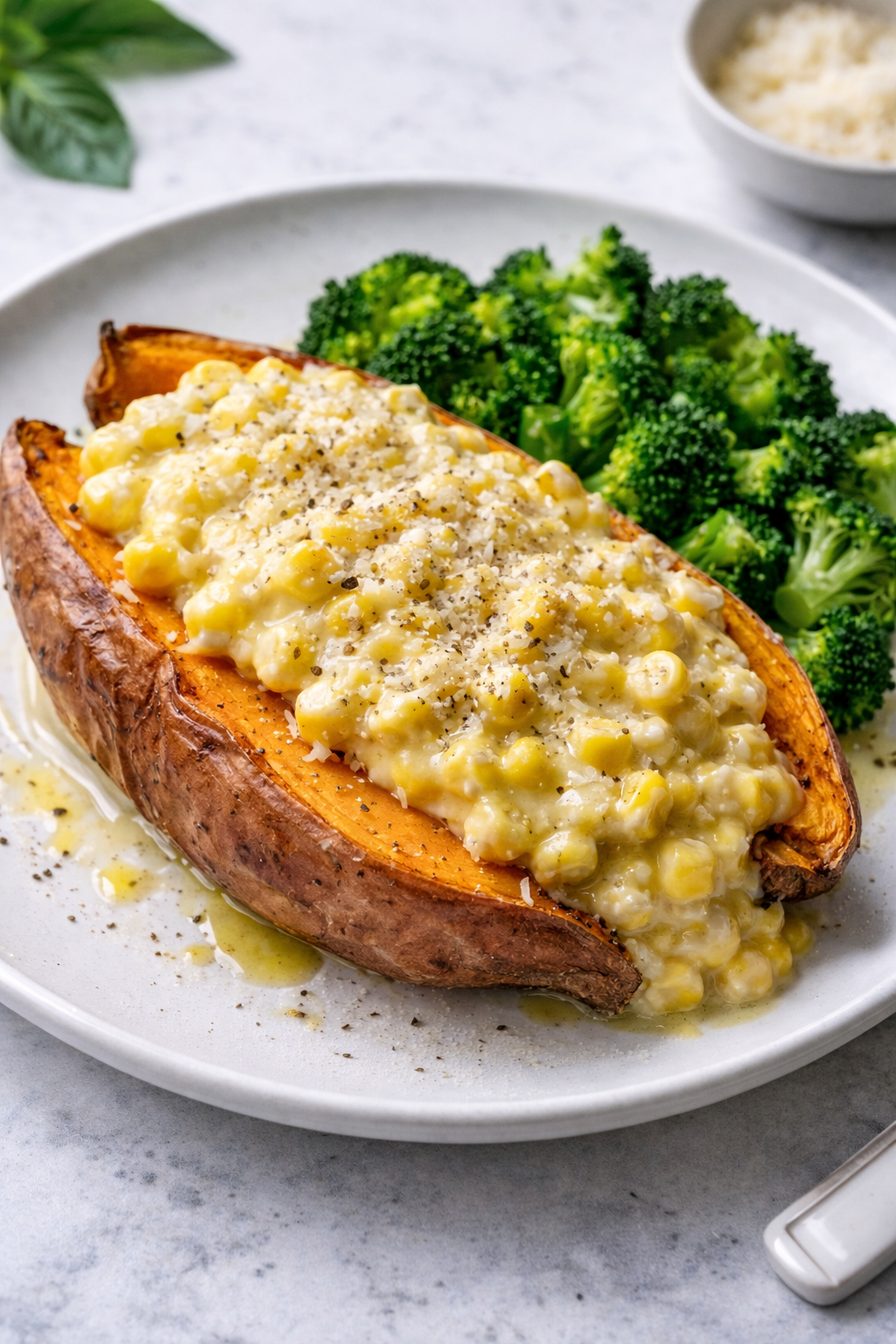
This dish illustrates a core BRAIN Diet principle: preparation and food structure influence nutrient availability and metabolic response as much as ingredient selection. Roasting the sweet potato softens plant cell walls and enhances carotenoid accessibility while providing a fibre-rich carbohydrate base with a relatively gradual glucose release. The corn is gently heated and partially blended to disrupt plant cell matrices, improving the release of lutein and zeaxanthin. Butter, curried coconut milk, olive oil, and parmesan create a mixed lipid phase that facilitates absorption of these fat-soluble compounds while also moderating gastric emptying and stabilising the post-prandial glucose response. Served with broccoli, the meal also provides additional fibre, micronutrients, and glucosinolate-derived compounds formed through myrosinase activation when the broccoli is chopped before cooking.
Ingredients (1 serving)
- 1 large sweet potato (≈350 g raw)
- 1 tin sweetcorn, drained (≈240 g)
- 150 ml full-fat curried coconut milk (or 150 ml coconut milk + 1 tsp curry powder)
- 30 g (1.1 oz) butter
- 25 g (5 tsp (approx)) parmesan, finely grated
- 1 tbsp (15 ml) extra-virgin olive oil
- Salt and black pepper
To serve:
- 150 g broccoli, steamed (ideally cut ~30 minutes before cooking)
Method
Roasting the sweet potato
Preheat oven to 200 °C. Pierce the potato and rub lightly with oil and salt. Roast 45–60 minutes until fully softened. Rest briefly before splitting.
Preparing the creamed corn
Melt butter in a pan over medium-low heat. Add drained corn and cook 3–4 minutes. Add curried coconut milk and simmer gently ~5–6 minutes. Blend roughly 70 % of the mixture until smooth, return to the pan with remaining kernels. Remove from heat, stir in parmesan, and season to taste.
Assembly
Split the roasted potato, spoon the creamed corn on top, finish with olive oil, and serve with broccoli.
Nutrition
Per serving. Each included ingredient is scaled from a named per-100 g composition record by edible grams. Optional ingredients are excluded. Missing analytical values are not treated as zero.
| Nutrient | Per serving |
|---|---|
| Energy | 1230 kcal |
| Protein | 28 g |
| Carbohydrates | 121 g |
| Sugars | 28 g |
| Fibre | 20 g |
| Total fat | 79 g |
| Saturated fat | 49 g |
| Sodium | 1050 mg |
Sodium excludes salt added to taste.
Key vitamins and minerals
| Nutrient | Per serving | Reference intake |
|---|---|---|
| Vitamin A | 2790 µg | 310% RDA |
| Vitamin C | 150 mg | 164% RDA |
| Vitamin K | 170 µg | 143% AI |
| Manganese | 2.7 mg | 115% AI |
| Copper | 1 mg | 115% RDA |
| Phosphorus | 700 mg | 100% RDA |
| Vitamin B5 | 4.5 mg | 91% AI |
| Vitamin B6 | 1.1 mg | 88% RDA |
Vitamins and minerals supplying at least 15% of an adult reference intake, plus explicitly featured design-relevant nutrients, up to eight. RDA is a recommended dietary allowance; AI is an adequate intake, used where the evidence does not support an RDA. Nutrients below the threshold are still calculated and still count towards a daily total; a featured row is not a claim that the serving supplies a complete daily dose.
Bioactive compounds
| Compound | Per serving |
|---|---|
| Alpha-linolenic acid (ALA; 18:3 n-3) | 140 mg |
| Vitamin K2 | Present |
| Sulforaphane | Preparation-dependent |
| Kaempferol | Present — quantity not established |
These compounds have no recognised intake target, so quantified amounts are shown without a percentage. A presence-only entry is carried from a supported food relationship and is not converted into an invented serving amount.
Calculation details
| Ingredient | Weight used | Composition record |
|---|---|---|
| 1 large sweet potato (≈350 g raw) | 350 g | USDA FDC 168482 — Sweet potato, raw |
| 1 tin sweetcorn, drained (≈240 g) | 240 g | USDA FDC 169214 — Corn, sweet, yellow, canned, whole kernel, drained solids |
| 150 ml full-fat coconut milk | 143 g | USDA FDC 170173 — Nuts, coconut milk, canned, liquid expressed from grated meat and water |
| 1 tsp (2 g) curry powder | 2 g | USDA FDC 170924 — Spices, curry powder |
| 30 g butter | 30 g | USDA FDC 173430 — Butter, without salt |
| 25 g parmesan, finely grated | 25 g | USDA FDC 170848 — Cheese, parmesan, hard |
| 1 tbsp (15 ml) extra-virgin olive oil | 14 g | USDA FDC 171413 — Oil, olive, salad or cooking |
| 150 g broccoli, steamed | 150 g | USDA FDC 170379 — Broccoli, raw |
Mainly from:
- Energy: Sweet Potatoes, 150 ml full-fat coconut milk
- Protein: Parmesan Cheese, 1 tin sweetcorn, drained (≈240 g)
- Carbohydrates: Sweet Potatoes, 1 tin sweetcorn, drained (≈240 g)
- Sugars: Sweet Potatoes, 1 tin sweetcorn, drained (≈240 g)
- Fibre: Sweet Potatoes, 1 tin sweetcorn, drained (≈240 g)
- Total fat: 150 ml full-fat coconut milk, Butter
- Saturated fat: 150 ml full-fat coconut milk, Butter
- Sodium: 1 tin sweetcorn, drained (≈240 g), Parmesan Cheese
Assumptions and exclusions:
- 150 ml full-fat coconut milk: USDA SR Legacy FDC 170173 food_portion: 1 cup = 226 g, i.e. 0.955 g/ml; 150 ml = 143.3 g.
- 1 tsp (2 g) curry powder: The recipe itself defines the mixture as 150 ml coconut milk plus 1 tsp curry powder. USDA SR Legacy FDC 170924 food_portion: 1 tsp = 2 g.
- 1 tbsp (15 ml) extra-virgin olive oil: USDA SR Legacy FDC 171413 food_portion: 1 tablespoon = 13.5 g
- 1 tin sweetcorn, drained (≈240 g): The Corn food page records raw corn on the cob, which is not the drained canned product.
- 150 ml full-fat coconut milk: Coconut milk is not coconut oil and has no food page on this site.
- salt and black pepper — added to taste, so it is not part of an exact sodium total
- oil rubbed on the sweet potato before roasting — the method says to rub the potato lightly with oil but states no quantity; 1 tsp would add about 40 kcal
- The recipe declares one serving. At the calculated energy this is a very large single plate; see the editorial note below.
Serving size
The recipe declares one serving, so the table above is the whole plate as written — about 950 g of prepared ingredients, including the coconut milk, broccoli and olive oil. An earlier estimate of 880–910 kcal understated it by about a third, largely because the coconut milk was not counted; the saturated fat figure of 26–28 g understated it by roughly half.
Split as two servings the plate gives 617 kcal, 13.8 g protein, 10.1 g fibre, 24.3 g saturated fat and 526 mg sodium each. At one serving the saturated fat alone is more than double a typical adult daily reference of 20 g. Declaring this as two servings, or reducing the butter and coconut milk, is the recommended change; that is an editorial decision and has not been made automatically.
Functional highlights
- High carotenoid availability (beta-carotene, lutein, zeaxanthin) supported by lipid phase
- High potassium and fibre content
- Mixed macronutrient structure supporting stable glucose response
- Broccoli contributes vitamin C, folate, and glucosinolate-derived compounds
Footnote: Sweet Potato Surface Syrup
The sticky syrup that may appear is primarily composed of these natural sugars, but contains small quantities of potassium, magnesium, and other soluble minerals, along with trace carotenoids and phenolic compounds. Retaining this syrup while cooking is worthwhile.
Optimal "syrup harvest" setup
- Thick glass baking dish
- Potato slightly tilted
- One small piercing on the lower side
- 1–2 tbsp water in the dish corner
- Roast at ~190 °C
- Collect syrup just before the end
Explore the foods and substances
Show 6 foods and their substances
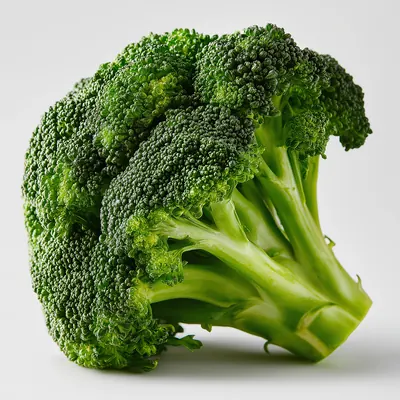
Broccoli
Cruciferous vegetable rich in sulforaphane, folate, and glutathione precursors
Substances: Choline, Iron, Kaempferol, Magnesium, Manganese, Phosphorus (Phosphate), Potassium, Sulforaphane, Vitamin B1 (Thiamine), Vitamin B2 (Riboflavin), Vitamin B5 (Pantothenic Acid), Vitamin B6 (Pyridoxine → PLP), Vitamin B9 (Folate), Vitamin C (Ascorbate), Vitamin K (Phylloquinone), Zinc
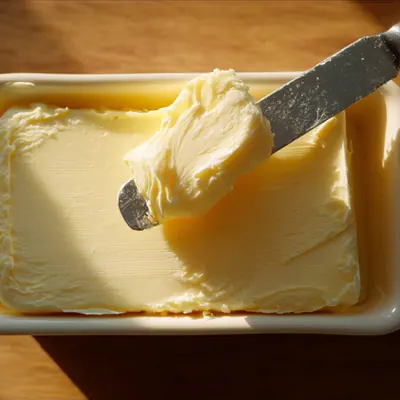
Butter
Dairy fat providing vitamin A and culinary saturated fat
Substances: Vitamin A (Retinoids; β-Carotene precursor), Vitamin E (Tocopherols/Tocotrienols), Vitamin K2 (MK forms)

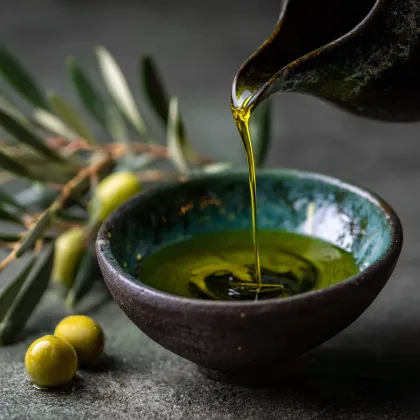
Olive Oil
See extra virgin olive oil for detailed information

Parmesan Cheese
CLA, K2, C15:0, and high protein/calcium
Substances: Calcium, Tyrosine, Vitamin K2 (MK forms)

Sweet Potatoes
Root vegetable rich in beta-carotene, fibre, and potassium
Substances: Potassium, Vitamin C (Ascorbate)