Cysteine
Overview
Cysteine is a sulfur-containing amino acid that the body can make from methionine. Methionine is the indispensable sulfur amino acid; cysteine can spare part of the methionine requirement, and the size of that sparing is still disputed [1]. Food composition reports cystine, the disulfide formed by two cysteine residues. This page keeps cystine as the measured nutrient and cysteine as the amino acid in metabolism. The measured cystine stays separate from methionine.
Cysteine is a substrate of human glutamate–cysteine ligase, the first step in glutathione assembly [6]. In healthy young men, an experimental diet that removed both methionine and cysteine slowed whole-blood glutathione synthesis [5]. When methionine intake remained adequate, a cysteine-free diet left erythrocyte glutathione synthesis unchanged [4]. Cystine in food is the dietary supply of that amino acid. The formula studies, rather than the milligrams in a serving, are what speak to glutathione synthesis.
Dietary Origin
Foods contain cystine in protein. The foods in the list on this page are those with a verified cystine amount on their own page. Per 100 g of each raw animal food, beef liver contains 376 mg, whole egg 272 mg, bluefin tuna 250 mg, chicken meat and skin 249 mg, and pork loin 248 mg. Dry oats contain 408 mg per 100 g and dry lentils 322 mg per 100 g. Cooked oatmeal and cooked lentils are wetter foods, at 97 mg and 118 mg per 100 g. A protein-quality score compares methionine plus cysteine with a reference pattern. That score is a different measurement from these milligrams, and it is set out on the oats and lentils pages.
Research Spotlights & Evidence Checks
Recipes
3 recipes containing this substance
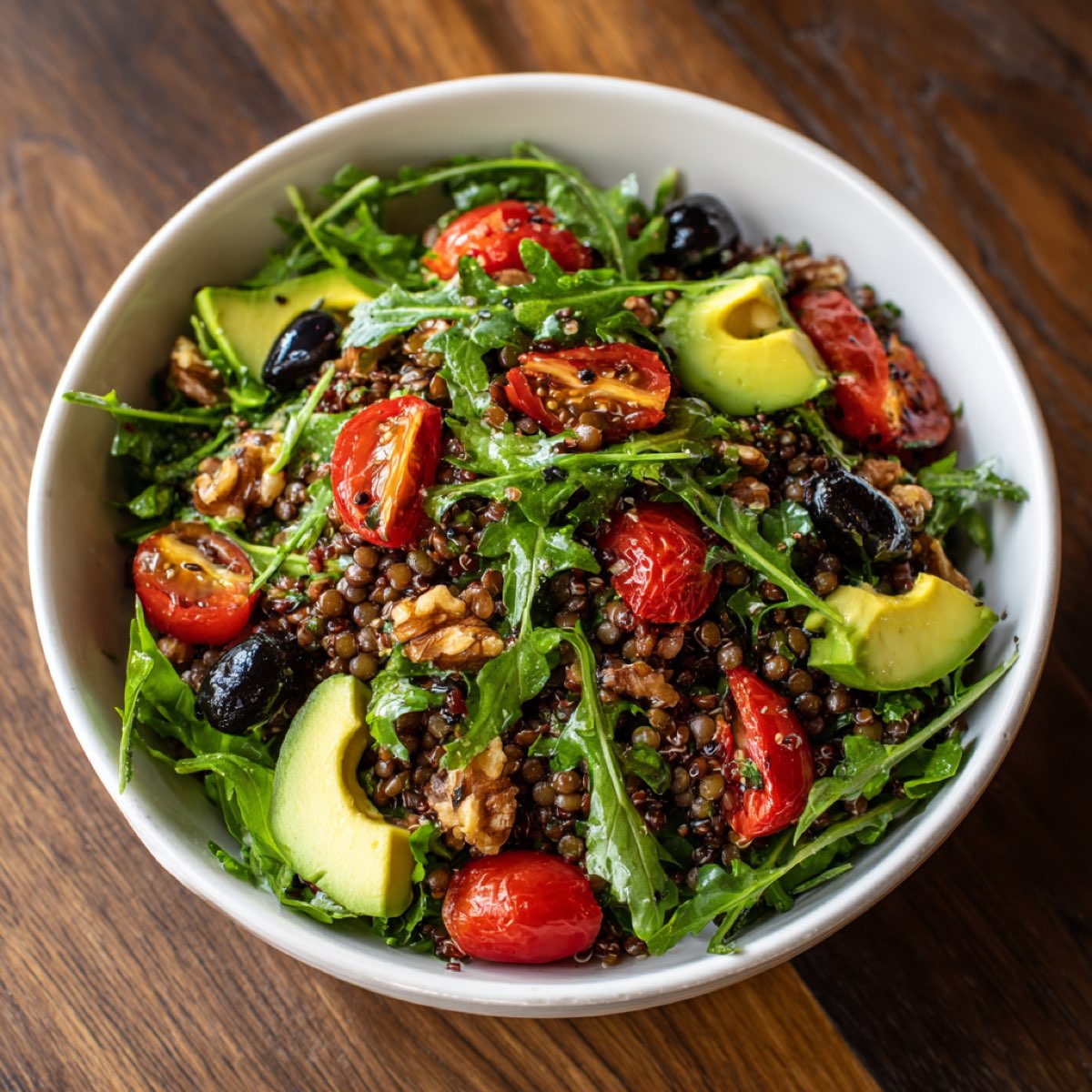
Rocket Lentil Avocado Midday Salad (Gut-Supporting)
Polyphenol-rich midday salad with quinoa or lentils, vegetables, avocado, and early harvest olive oil
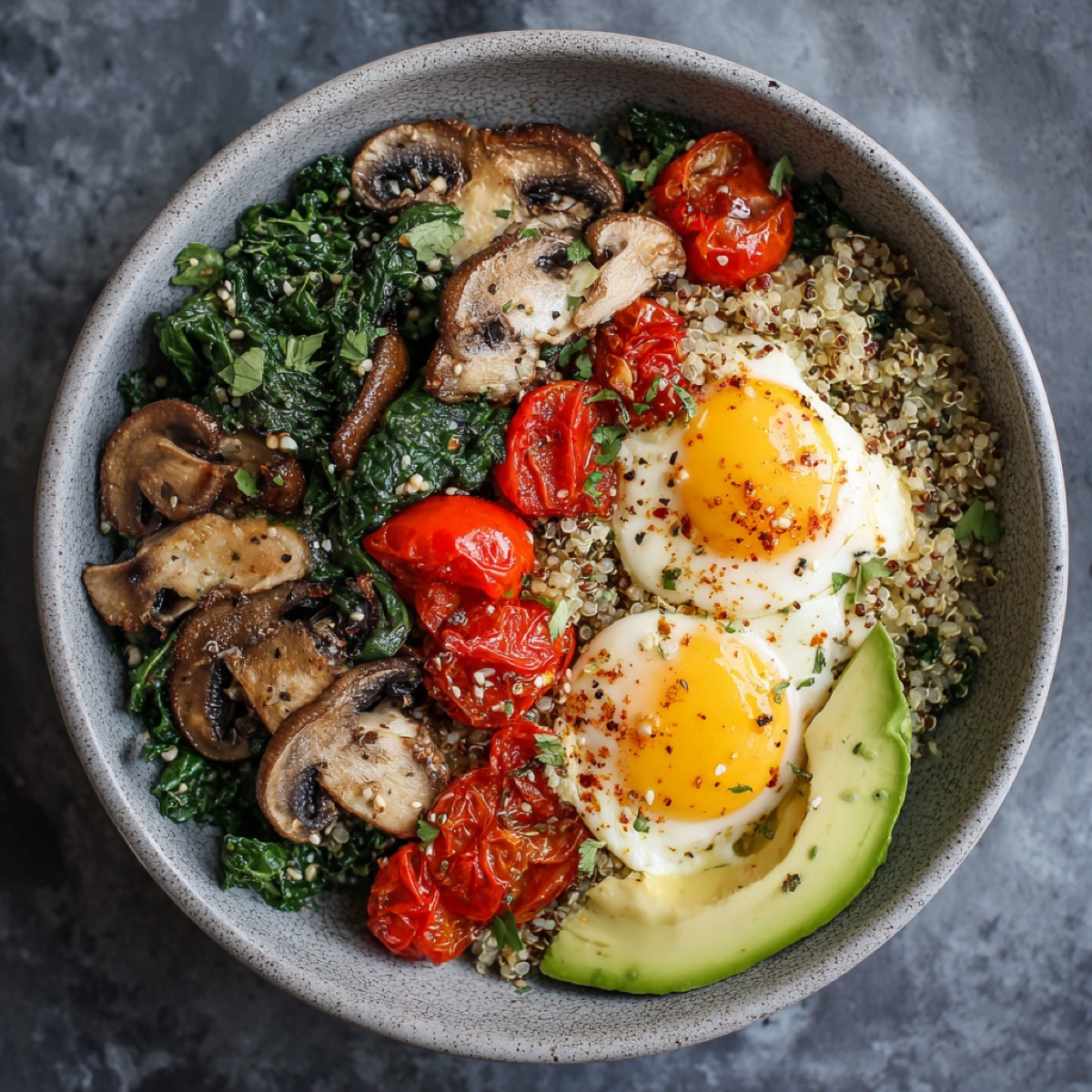
Savoury Greens & Egg Breakfast Skillet
A warm savoury breakfast skillet with eggs, greens, and slow carbohydrates for steady morning energy.
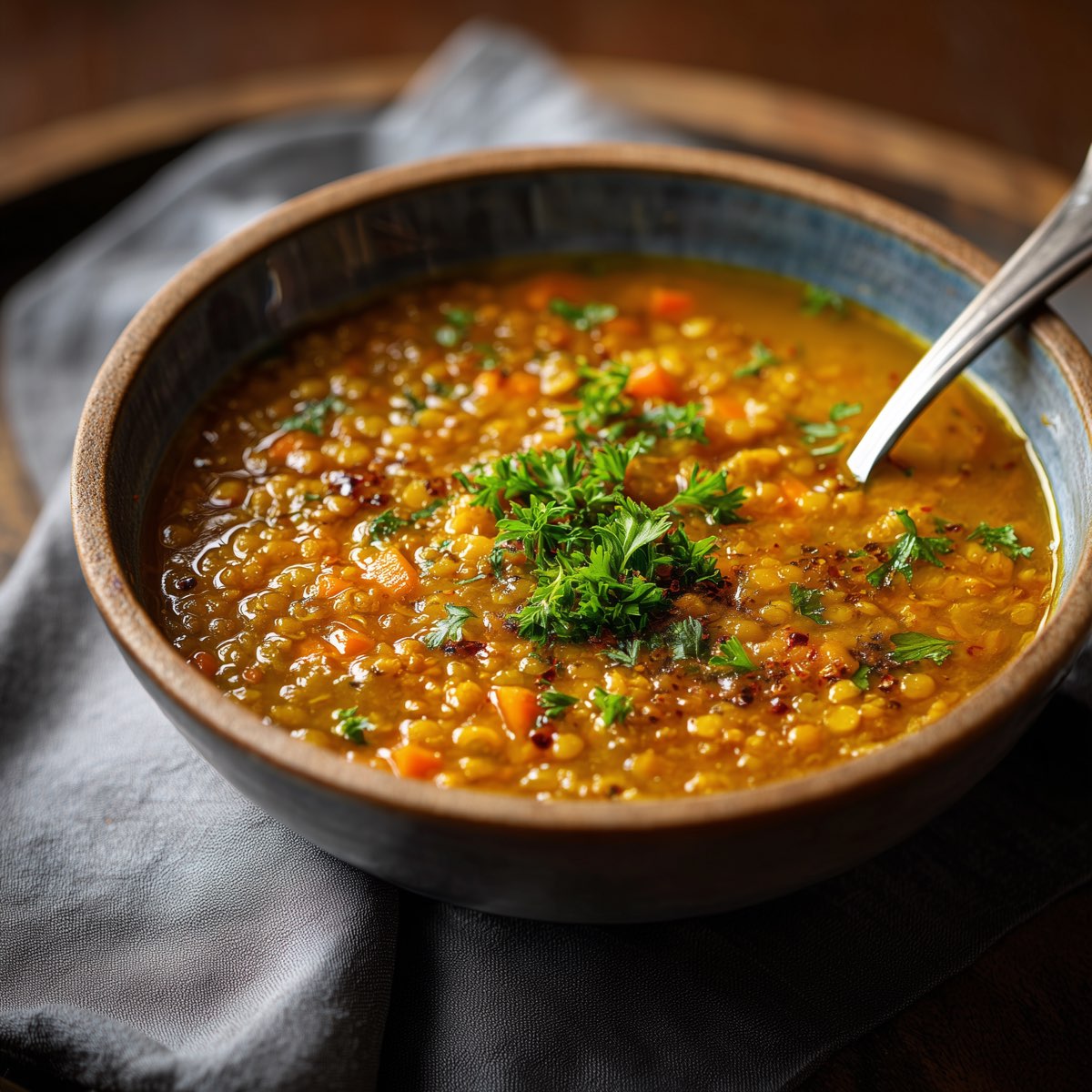
Turmeric Lentil Dahl
Turmeric- and ginger-spiced lentil dish rich in fibre, folate, and polyphenols
Foods
7 food relationships
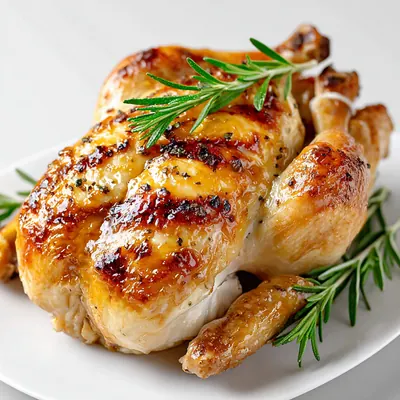
Chicken
Niacin, zinc, and tryptophan
ContainsChicken → contains → Cysteine
Cystine 249 mg per 100 g of Chicken, broilers or fryers, meat and skin, raw (FDC 171447). A 113 g (4 oz) portion is about 281 mg. Composition only; not a glutathione-synthesis result.
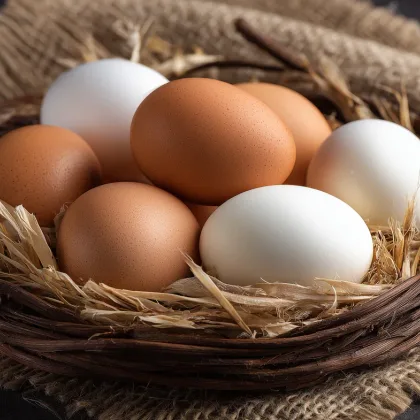
Eggs
Complete protein with choline, B vitamins, and phospholipids
ContainsEggs → contains → Cysteine
Cystine 272 mg per 100 g of Egg, whole, raw, fresh (FDC 171287). One large egg (50 g) contains 136 mg. Composition only; not a glutathione-synthesis result.

Lentils
Folate-rich legume with plant protein, fibre and non-haem iron
ContainsLentils → contains → Cysteine
Cystine 322 mg per 100 g of Lentils, raw (FDC 172420). Cooked boiled lentils are a separate food (FDC 172421, 118 mg per 100 g). Composition only; not a glutathione-synthesis result.

Liver
Nutrient-dense organ meat with bioavailable B12, retinol, iron, and CoQ10
ContainsLiver → contains → Cysteine
Cystine 376 mg per 100 g of Beef, variety meats and by-products, liver, raw (FDC 169451). A 113 g (4 oz) portion is about 425 mg. Composition only; not a glutathione-synthesis result.

Oats
Beta-glucans, B vitamins, and minerals for gut and neurotransmitter support
ContainsOats → contains → Cysteine
Cystine 408 mg per 100 g of dry oats (FDC 169705). Cooked oatmeal is a separate food (FDC 173905, 97 mg per 100 g). Composition only; not a glutathione-synthesis result.

Pork
Thiamine, creatine, and zinc
ContainsPork → contains → Cysteine
Cystine 248 mg per 100 g of Pork, fresh, loin, whole, separable lean and fat, raw (FDC 167818). A 117 g chop yield is about 290 mg. Composition only; not a glutathione-synthesis result.
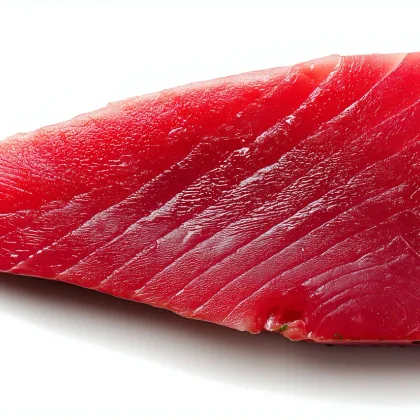
Tuna
Fish providing omega-3, niacin, selenium, and complete protein
ContainsTuna → contains → Cysteine
Cystine 250 mg per 100 g of Fish, tuna, fresh, bluefin, raw (FDC 173706). An 85 g (3 oz) portion is about 213 mg. Composition only; not a glutathione-synthesis result.
Biological Regulatory Systems
| Biological Regulatory System | Evidence-qualified relationship | Evidence |
|---|---|---|
| Methylation & One-Carbon Metabolism (BRS2) | Cysteine is a substrate of glutamate–cysteine ligase in glutathione assembly. Inadequacy of the shared methionine and cysteine pool can constrain synthesis. Omitting cysteine alone did not, when methionine remained adequate. Food cystine is not that result. | [4,5,6] |
References
[1] Ball et al. (2006). The in vivo sparing of methionine by cysteine in sulfur amino acid requirements in animal models and adult humans. Reviews the dietary indispensability of methionine and evidence that cysteine can substitute for part of the methionine requirement, with methodological disagreement about the size of that sparing.
[2] Nosworthy et al. (2017). Determination of the protein quality of cooked Canadian pulses. Cooked whole green and split red lentils, without prior soaking. Table 3 is dry matter; cysteine and methionine were measured by performic-acid oxidation. On the 1991 pattern, methionine plus cysteine was limiting (amino-acid scores 0.714 and 0.594). DIAAS used fecal protein digestibility, giving 0.58 and 0.50, and no cooked pulse reached 0.75. Rat assay, not an adult-human adequacy measurement, and not the as-eaten cystine amount.
[3] Food and Agriculture Organization of the United Nations (2013). Dietary Protein Quality Evaluation in Human Nutrition: Report of an FAO Expert Consultation. Scoring pattern for older children, adolescents and adults: lysine 48 mg/g protein and sulfur amino acids 23 mg/g protein. Applied here only to the dry-oat composition (16.89 g protein, 0.701 g lysine, 0.312 g methionine and 0.408 g cystine per 100 g): lysine about 41.5 mg/g protein, uncorrected score 0.86; methionine plus cystine about 42.6 mg/g protein, uncorrected score 1.85. Lysine is the lowest of the indispensable ratios on that pattern. Not an oat digestibility trial and not DIAAS.
[4] Courtney-Martin et al. (2008). Methionine-adequate cysteine-free diet does not limit erythrocyte glutathione synthesis in young healthy adult men. With methionine intake kept adequate, a cysteine-free diet did not lower erythrocyte glutathione synthesis in young men.
[5] Lyons et al. (2000). Blood glutathione synthesis rates in healthy adults receiving a sulfur amino acid-free diet. A diet containing neither methionine nor cysteine slowed whole-blood glutathione synthesis in healthy young men. Whole-blood glutathione concentration was maintained.
[6] Misra and Griffith (1998). Expression and purification of human gamma-glutamylcysteine synthetase. Human glutamate–cysteine ligase (gamma-glutamylcysteine synthetase) uses cysteine in the first step of glutathione assembly. Enzyme chemistry, not a food trial.