Oleic Acid (OA, n-9)

Overview
Oleic acid (18:1 n-9) is the principal dietary monounsaturated fatty acid. It is the defining fatty acid of avocado oil and a major fatty acid of avocado flesh, olive oil, and many other plant oils.
It is not interchangeable with the broader labels MUFA or omega-9:
- MUFA is a class (one double bond). Palmitoleic acid (16:1) and other monounsaturated fatty acids are MUFAs that are not oleic acid.
- Omega-9 names the n-9 family, which also includes longer-chain n-9 fatty acids. Oleic acid is the main dietary n-9 fatty acid, not the family itself.
Oleic acid is not an essential fatty acid. The body can synthesise it, but food oils still determine how much is eaten. Food pages should admit an Oleic Acid card only where oleic is a verified identity constituent with a rendered table row—not for every food that contains some MUFA.
Recipes
4 recipes containing this substance
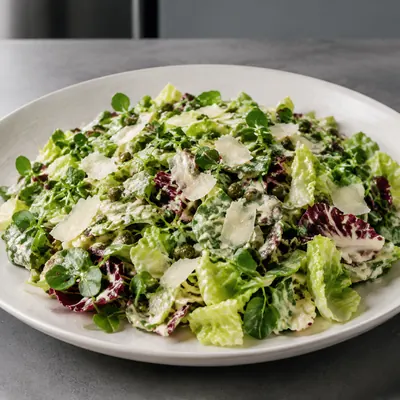
Mixed-Leaf Tahini Caesar Salad
A Caesar-style mixed-leaf salad with a tahini, anchovy, caper and Parmesan dressing, using extra virgin olive oil retained from oil-packed capers.
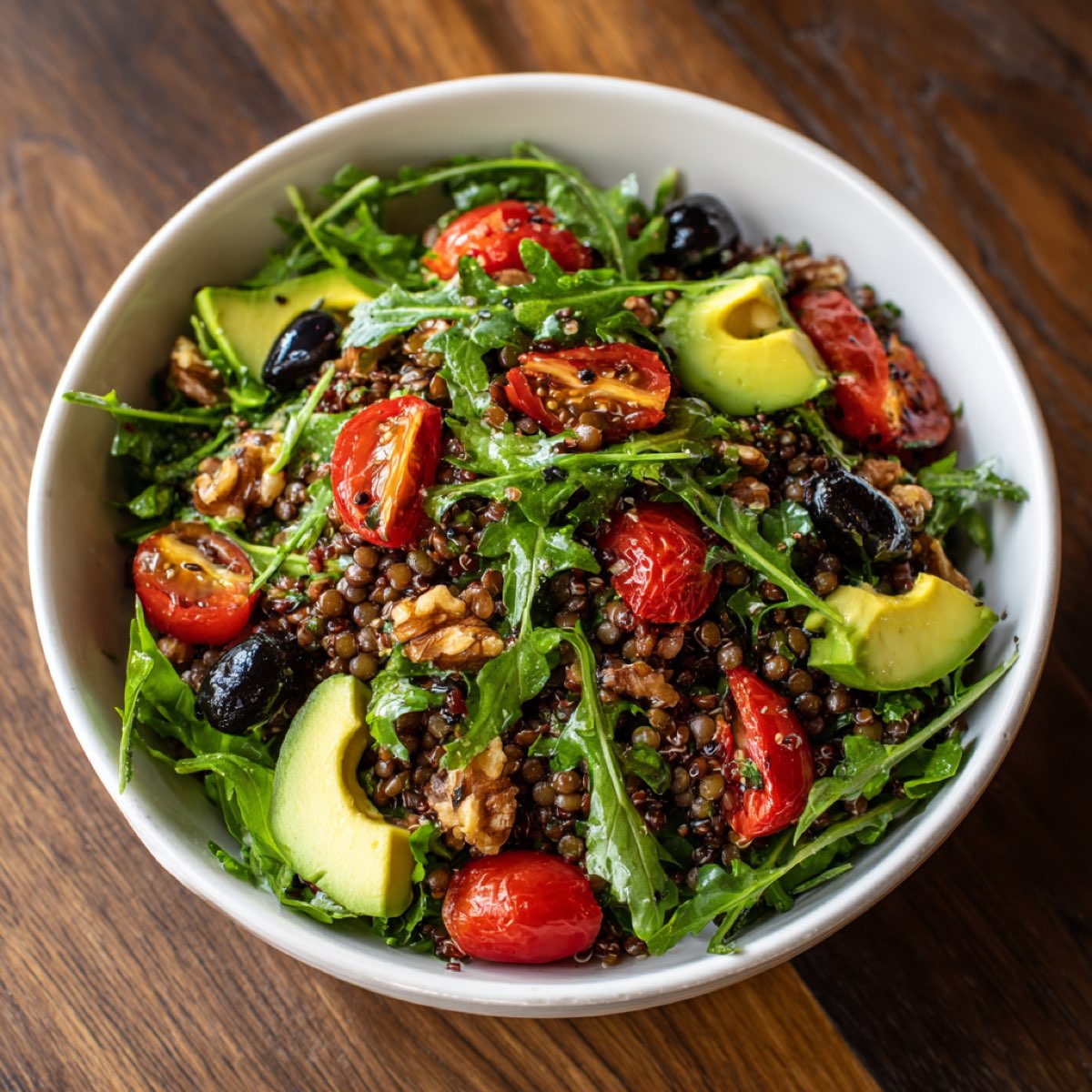
Rocket Lentil Avocado Midday Salad (Gut-Supporting)
Polyphenol-rich midday salad with quinoa or lentils, vegetables, avocado, and early harvest olive oil
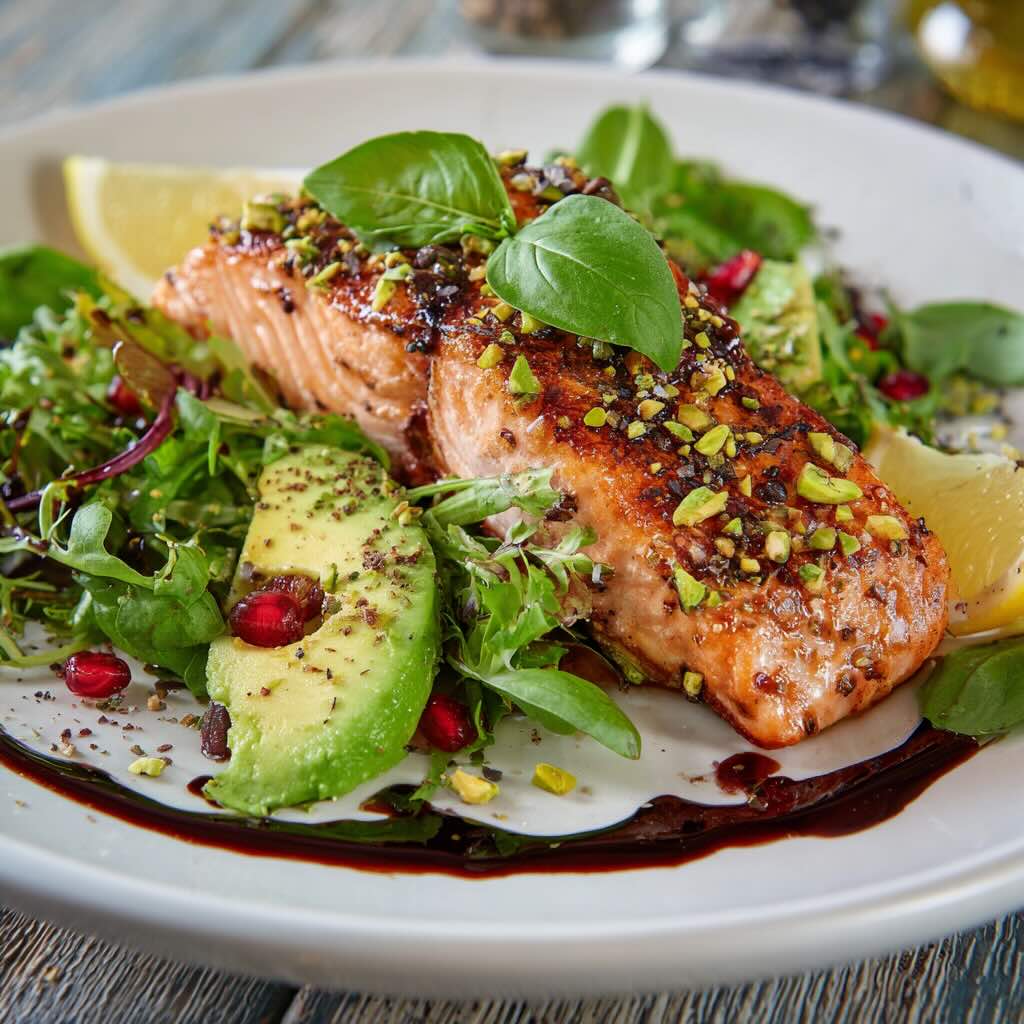
Salmon Bowl-pistachio-cacao-nibs
A Mediterranean-style bowl combining salmon, avocado, pistachios, cacao nibs, and early harvest olive oil — rich in omega-3 fats, polyphenols, and fibre.
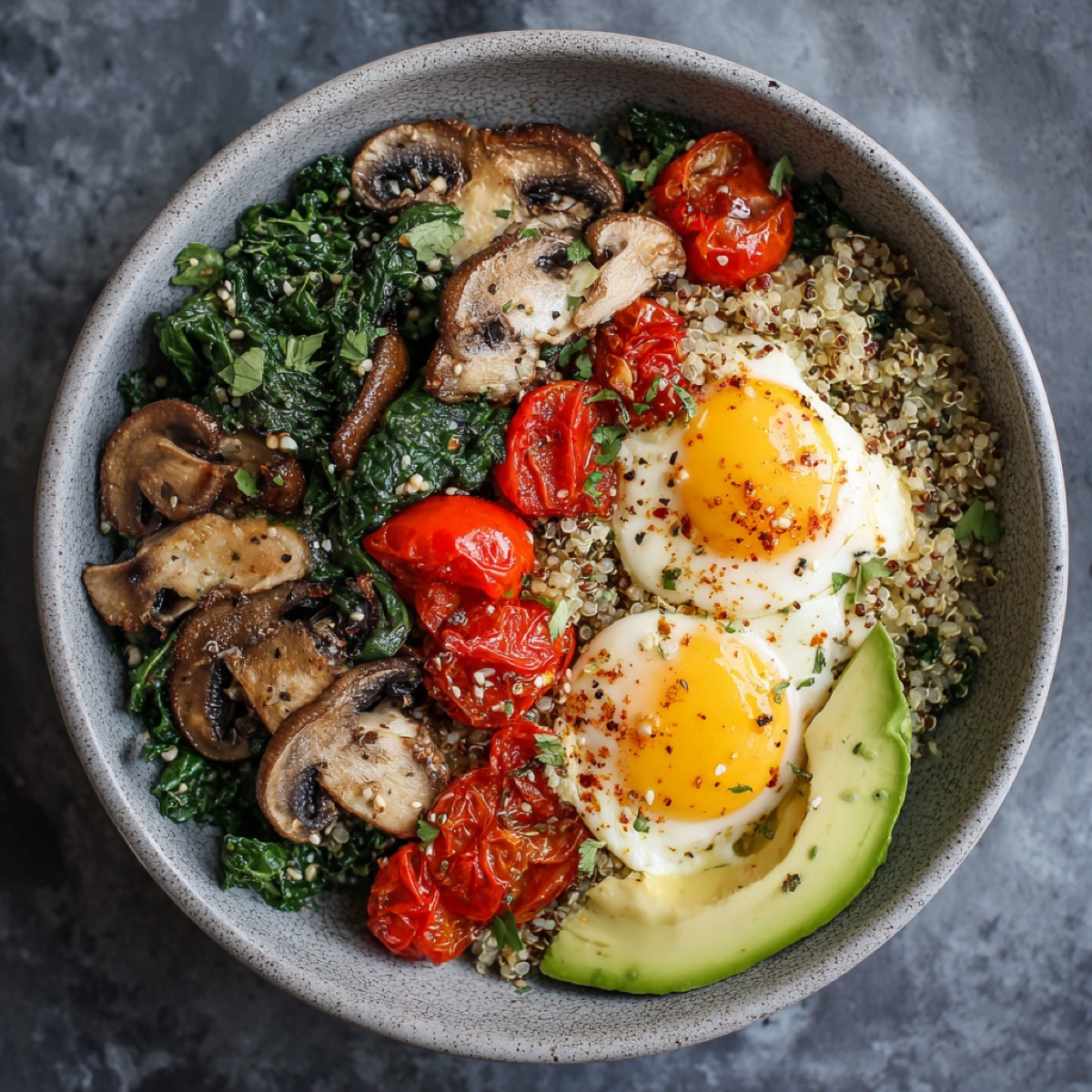
Savoury Greens & Egg Breakfast Skillet
A warm savoury breakfast skillet with eggs, greens, and slow carbohydrates for steady morning energy.
Foods
4 food relationships
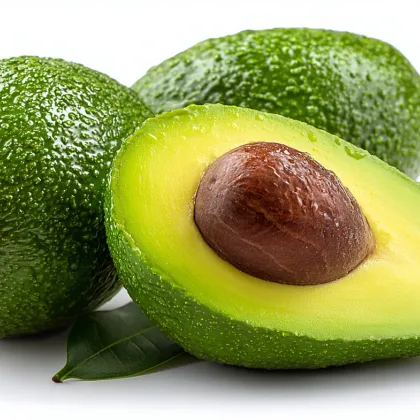
Avocado
Fibre-rich fruit with mostly monounsaturated fat, vitamin E and carotenoids
Legacy food association · relationship unreviewedAvocado → legacy tag association → Oleic Acid
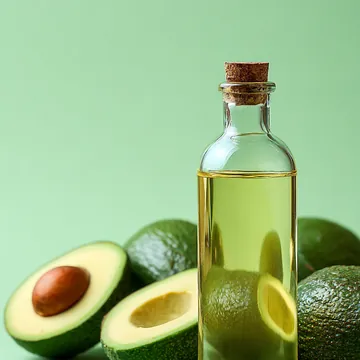
Avocado Oil
Monounsaturated culinary oil dominated by oleic acid
Legacy food association · relationship unreviewedAvocado Oil → legacy tag association → Oleic Acid

Sesame Seeds
Whole sesame seed with unsaturated fat, minerals and lignans
Legacy food association · relationship unreviewedSesame Seeds → legacy tag association → Oleic Acid

Tahini
Ground sesame-seed paste; composition depends on hull and roast
Legacy food association · relationship unreviewedTahini → legacy tag association → Oleic Acid
Biological Mechanisms and Implications
References
- Oleic acid is 18:1 n-9, the main dietary MUFA; it is not a synonym for the MUFA class or for omega-9 as a family
- Avocado oil identity ranges typically place oleic at about 60–80% of fatty acids, varying by cultivar and grade Fernandes et al. 2018
- USDA SR Legacy reports oleic acid in avocado flesh (FDC 171705) and in Oil, avocado (FDC 173573)