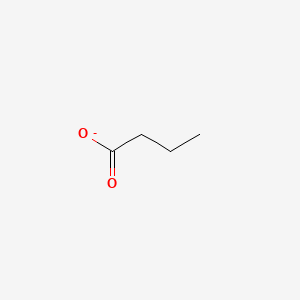
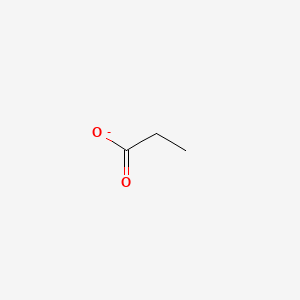
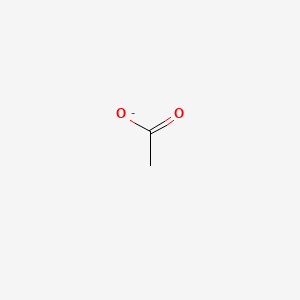
Short-Chain Fatty Acids (SCFAs)
Recipes

1 recipe containing this substance

Chocolate Quinoa Crisp Clusters

A delicious cereal-to-snack hybrid with satisfying crunch, steady energy, and a low glycemic profile. Perfect for breakfast or anytime snacking.

Foods

36 foods containing this substance

Amaranth

Pseudograin with GABA potential and complete protein

Asparagus

FOS prebiotic fiber and folate source

Bell Peppers

High vitamin C for iron absorption and norepinephrine support

Berries

General category of berry fruits rich in polyphenols

Black Goji

C3G anthocyanins for heavy metal chelation and neuroprotection

Cabbage

Base for sauerkraut; fiber and vitamin C

Capers

Highest quercetin content among common foods

Cherries

General cherry information; see tart cherry for sleep support

Chicory

High inulin content; coffee substitute

Cranberries

Polyphenols and resveratrol for microbiome and mitochondrial support

Dairy Products

General category of dairy foods providing protein, calcium, and probiotics

Ghee

Heat-stable clarified butter with butyrate and fat-soluble vitamins

Grapes

Resveratrol source for SIRT1 activation and NAD+ support

Kimchi

Fermented vegetables providing probiotics, GABA, and postbiotic compounds

Kombucha

Fermented tea providing probiotics and postbiotics

Leeks

Allium vegetable with prebiotic fiber (FOS)

Lupins

Legume protein source for vegan diets

Miso

Fermented soybean paste with probiotics and umami flavor

Natto

Fermented soybeans with unique Bacillus subtilis and vitamin K2

Oats

Beta-glucans, tryptophan, and B vitamins for gut and neurotransmitter support

Oranges

Vitamin C for iron absorption enhancement

Pickles

Fermented vegetables providing GABA-producing bacteria

Purple Potatoes

Anthocyanins (C3G) for heavy metal chelation and neuroprotection

Sauerkraut

Fermented cabbage providing Lactobacillus probiotics

Seaweed

Iodine, EPA (in red algae), magnesium, and trace minerals

Sourdough Bread

Fermented bread with GABA, improved amino acid bioavailability, and optimized Maillard products

Strawberries

Polyphenol-rich berries supporting cognitive function

Wheat

Whole grain providing B vitamins, fiber, and minerals

Wheat Germ

Choline source and B vitamin-rich grain component

Biological Mechanisms and Implications

Biological TargetTherapeutic AreasMechanism of Action
Gut MicrobiomeByproduct of fibre fermentation; supports intestinal barrier integrity; regulates immune responses; promotes synthesis of key neurotransmitters such as dopamine and serotonin
InflammationSupports immune regulation and anti-inflammatory processes

References

  • ADHD group exhibiting significantly lower levels of key SCFAs, including acetic, propionic, isobutyric, isovaleric, and valeric acids Steckler et al. 2024
  • A decreased microbial diversity (alpha diversity) has also been reported in ADHD Prehn-Kristensen et al. 2018
  • Butyrate and other SCFA deficiencies have been linked to many neurological disorders including ADHD Fan et al. 2019
  • Butyrate deficiencies linked to ASD and melatonin production, with relevance to ADHD populations due to symptom crossover Checa-Ros et al. 2021
  • Butyrate has anti-inflammatory effects, potentially reducing neuroinflammation associated with ADHD
  • Butyrate supports mitochondrial function, enhancing brain energy metabolism, which may help with cognitive impairments seen in ADHD Rose et al. 2018
  • Butyrate aids in reducing cholesterol and neuroinflammation Cavaliere et al. 2022
  • Propionate helps reduce neuroinflammation and enhance cognitive function while protecting the blood-brain barrier Hoyles et al. 2018
  • Propionate stimulates secretion of norepinephrine and might influence dopamine regulation Mirzaei et al. 2021
  • SCFAs support intestinal barrier integrity, regulate immune responses, and promote synthesis of key neurotransmitters such as dopamine and serotonin Silva et al. 2020