Endocannabinoid System (ECS)
Overview
The endocannabinoid system (ECS) is a key neuromodulatory system that helps regulate dopamine signaling, motivation, stress response, and inflammation, processes that are often disrupted in ADHD and other neurodevelopmental conditions. The BRAIN Diet targets ECS optimization through omega-3 fatty acids, polyphenols, and PE-rich foods that support endocannabinoid-like signaling and enhance ECS tone.
Recipes

Salmon Bowl-pistachio-cacao-nibs
A functional ECS-supportive bowl combining salmon, avocado, pistachios, cacao nibs, and early harvest olive oil to help preserve anandamide tone, improve membrane lipid composition, and support gut–brain signaling.
Therapeutic Areas

ADHD
Dietary strategies targeting inflammation, neurochemical balance, mitochondrial function, and gut-brain axis to support attention, focus, and executive function
Anxiety & GAD
Nutritional strategies targeting HPA axis regulation, stress response, neurochemical balance, and gut-brain communication to reduce anxiety and support emotional regulation
Depression & MDD
Food-first dietary interventions targeting neurochemical balance, inflammation, gut-brain axis, and metabolic health to support mood regulation and emotional resilience
Substances
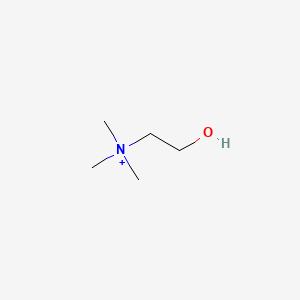
Choline
Acetylcholine precursor; methyl donor; phospholipid synthesis for membranes
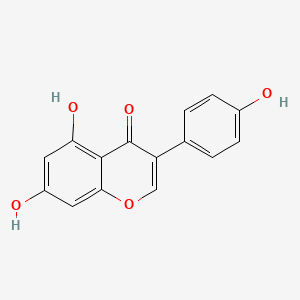
Genistein
Soy isoflavone; ECS modulation via FAAH inhibition; anti-inflammatory/neuroprotective
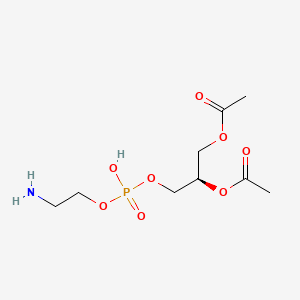
Phosphatidylethanolamine (PE)
Brain phospholipid; precursor to PC and NAPE → NAEs (PEA/OEA/AEA)
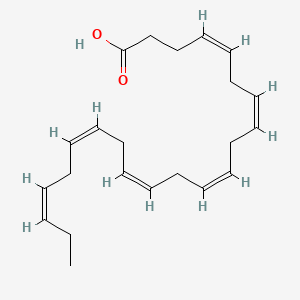
DHA (Docosahexaenoic Acid)
Accounts for ~10–15% of total brain fatty acids, 20–30% of neuronal phospholipids (PE, PS), and >90% of brain omega-3 PUFA; critical for membrane fluidity, synaptic vesicle fusion, neurodevelopment
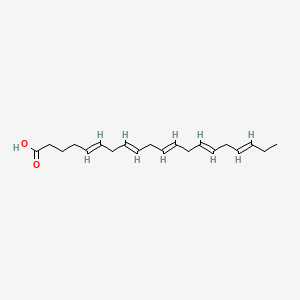
EPA (Eicosapentaenoic Acid)
Potent anti-inflammatory; precursor to E-series resolvins; modulates dopamine and serotonin signalling

Omega-3 Fatty Acids
(EPA, DHA) Anti-inflammatory, membrane, and neuromodulatory lipids central to BRAIN Diet
Biological Implications
The endocannabinoid system (ECS) is a key neuromodulatory system that helps regulate dopamine signaling and motivation, stress response, and inflammation, processes that are often disrupted in ADHD and other neurodevelopmental conditions (paper.txt, line 467).
A major pathway supporting this system is the CDP-ethanolamine pathway, which produces phosphatidylethanolamine (PE)—a key brain phospholipid and potential ADHD biomarker. PE can be converted into phosphatidylcholine (PC) or N-acyl phosphatidylethanolamines (NAPEs). These NAPEs are precursors to N-acyl ethanolamines (NAEs) like palmitoylethanolamide (PEA), oleoylethanolamide (OEA), and anandamide (AEA), bioactive lipids which act as neuromodulators with anti-inflammatory, neuroprotective, and mood-regulating effects. High plasma levels of AEA have been correlated to psychotic disorders and lower levels to MDD while higher levels have also been associated with ADHD (paper.txt, line 467).
Supporting NAPEs production through diet via PE-rich foods like eggs, fish roe, and liver may enhance ECS tone. Clinical trials have shown a doubling of plasma levels after dietary increases in oat bran due to its rich PE content (paper.txt, line 468).
Polyphenols such as genistein may further enhance ECS tone by inhibiting fatty acid amide hydrolase (FAAH), the enzyme responsible for AEA degradation. By preserving anandamide, genistein may amplify the ECS's ability to regulate dopamine, glutamate, and GABA signaling, all key pathways to regulate in ADHD (paper.txt, lines 468-469).
Although omega-3s are not direct endocannabinoids, they contribute to endocannabinoid-like signaling through the production of docosahexaenoyl ethanolamide (DHEA), EPEA, and other N-acyl ethanolamines, and can indirectly affect ECS system. While more research on the endocannabinoid pathways and ADHD is needed, its interactions with dopamine, mood regulation, and inflammation make it a relevant secondary target, particularly in cases of emotional dysregulation or stress sensitivity (paper.txt, line 470).
References
- The endocannabinoid system (ECS) is a key neuromodulatory system that helps regulate dopamine signaling Covey et al. 2017
- The ECS helps regulate motivation Laksmidewi and Soejitno 2021
- The CDP-ethanolamine pathway produces phosphatidylethanolamine (PE), which can be converted into phosphatidylcholine (PC) or N-acyl phosphatidylethanolamines (NAPEs) Garani, Watts, and Mizrahi 2021
- Clinical trials have shown a doubling of plasma levels after dietary increases in oat bran due to its rich PE content Sean Davies 2018
- Polyphenols such as genistein may further enhance ECS tone by inhibiting fatty acid amide hydrolase (FAAH), the enzyme responsible for AEA degradation Gibellini and Smith 2010
- Genistein may amplify the ECS's ability to regulate dopamine, glutamate, and GABA signaling Thors, Eriksson, and Fowler 2007
- Genistein has shown potential as a modulator of several biochemical pathways, including the endocannabinoid system and neuroinflammation Fuloria et al. 2022
- Omega-3s contribute to endocannabinoid-like signaling through the production of docosahexaenoyl ethanolamide (DHEA), EPEA, and other N-acyl ethanolamines Watson, Kim, and Das 2019