Oxalate
Overview
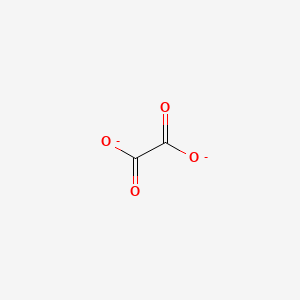
Oxalate is the dianion C2O4²⁻ of oxalic acid (C2H2O4); hydrogen oxalate is the intermediate protonation state. The image and InChIKey identify the dianion. Oxalic acid and its salts share documentation here but are not interchangeable analytical masses. Sodium/potassium and calcium salts have different solubility; total, soluble and insoluble oxalate must not be treated as identical measurements [1,4].
Calcium binding can reduce available calcium, but chemical binding does not quantify absorption from a food. A human isotope crossover measured substantially lower calcium absorption from the tested spinach than from milk. This is food-matrix evidence, not a universal absorption percentage for every oxalate-containing food or mineral [2].
Dietary Context
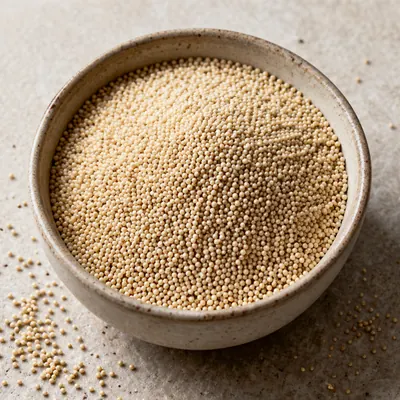
The amaranth-grain study measured oxalate before and after malting; its accessible original abstract supports qualitative occurrence. Full methods were not retrieved, so soluble versus total oxalate, extraction recovery and a comparable per-100-g quantity remain unestablished for this record [3]. Spinach occurrence is independently supported by the calcium/oxalate measurements in the human food study; its material must not be silently equated with every raw or cooked spinach entry [2].
Cooking experiments distinguish soluble oxalate losses into water from total oxalate. Whether cooking water is discarded is therefore important. Changes in measured composition do not themselves demonstrate improved human mineral absorption. Preparation, extraction, analytical method and wet/dry basis must accompany any quantitative comparison [4].
The existing Functional Property Oxalate content describes composition and conditional mineral interactions. It does not establish a beneficial PM dietary input. No new PM support mapping or avoidance prescription is inferred from food occurrence.
Foods

Recipes
6 recipes containing this substance
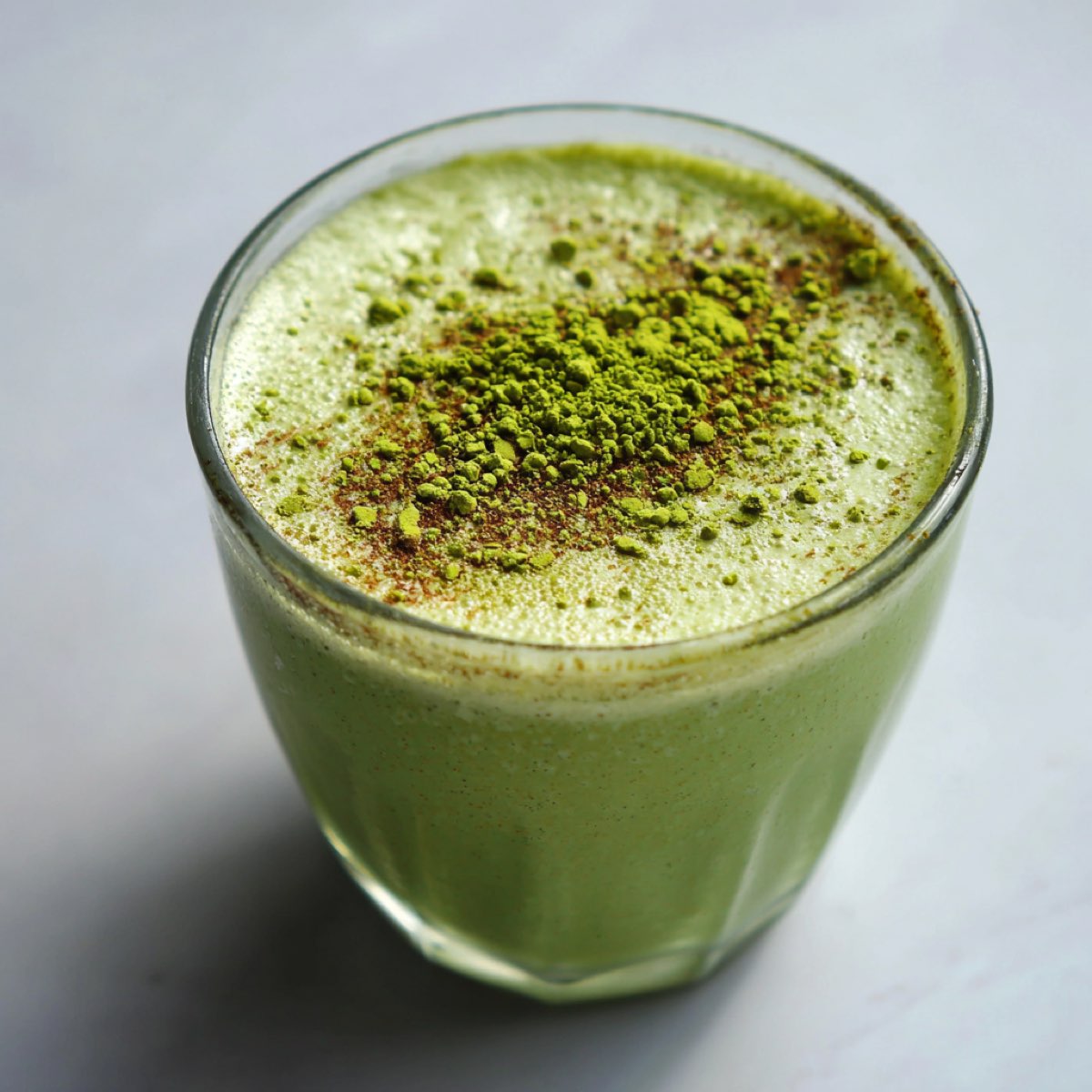
Matcha Mitochondria Smoothie
Mitochondrial energising smoothie rich in polyphenols, magnesium, and antioxidants
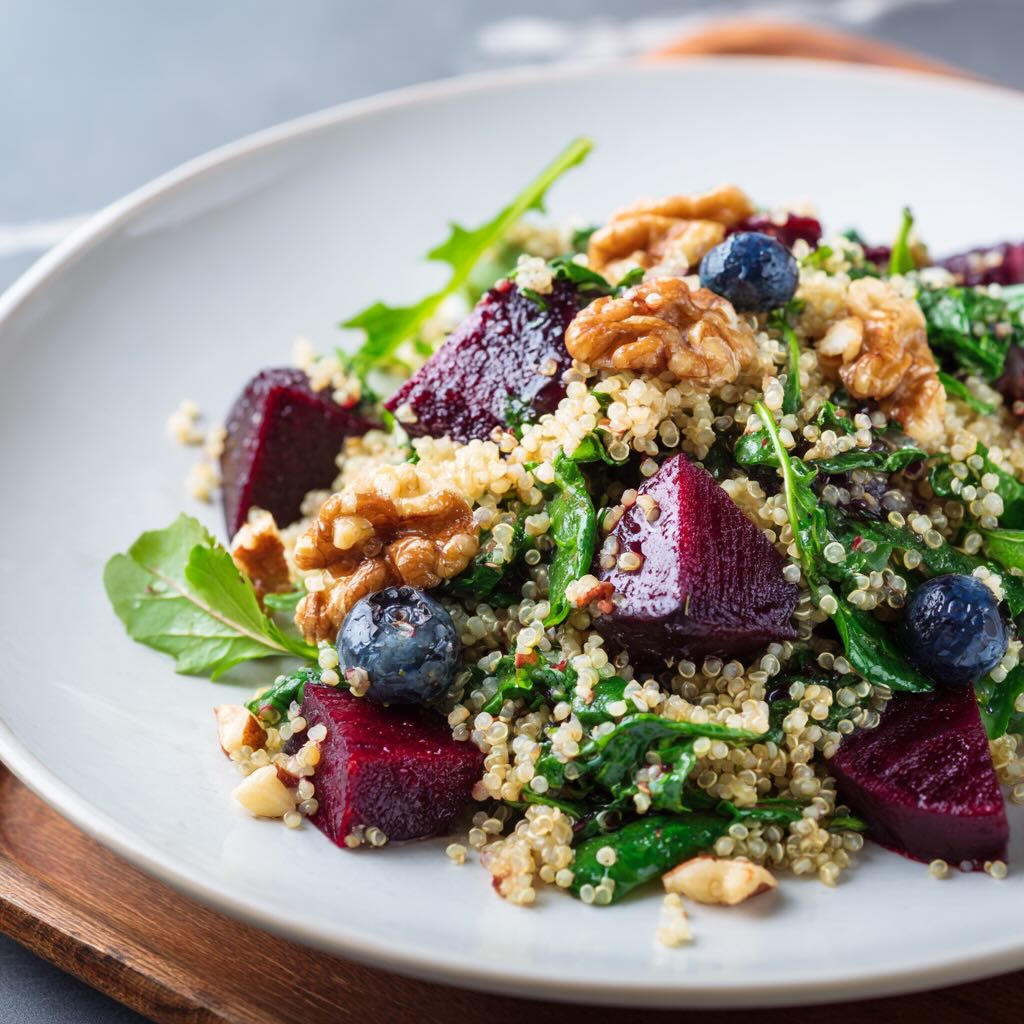
Mitochondrial Power Bowl
A nitrate-rich, polyphenol-dense bowl combining leafy greens, beets, berries, nuts, and early harvest olive oil
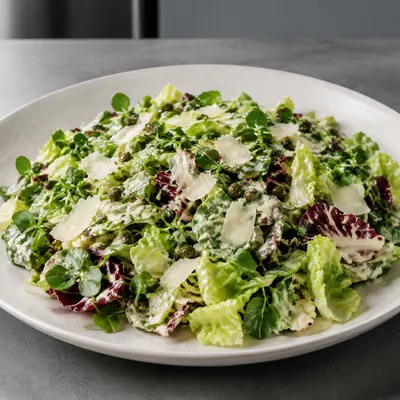
Mixed-Leaf Tahini Caesar Salad
A Caesar-style mixed-leaf salad with a tahini, anchovy, caper and Parmesan dressing, using extra virgin olive oil retained from oil-packed capers.
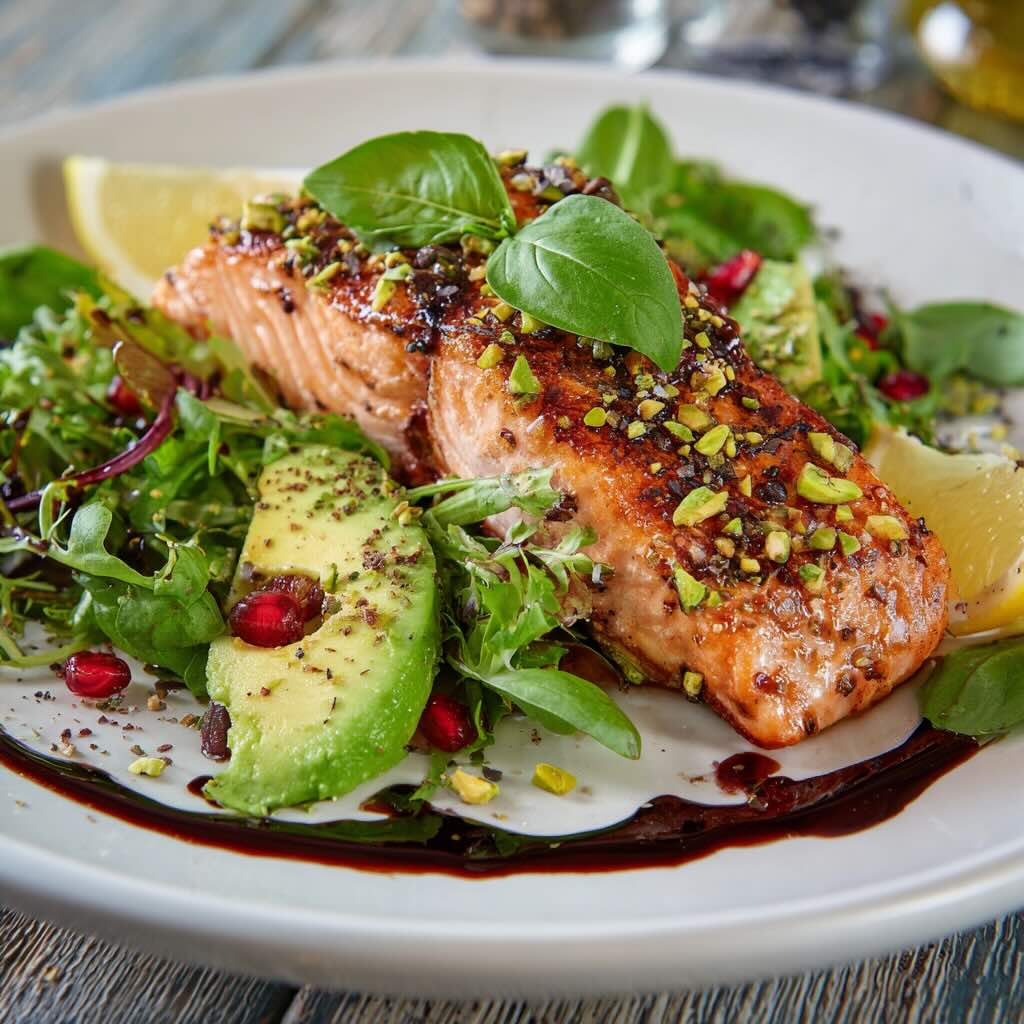
Salmon Bowl-pistachio-cacao-nibs
A Mediterranean-style bowl combining salmon, avocado, pistachios, cacao nibs, and early harvest olive oil — rich in omega-3 fats, polyphenols, and fibre.
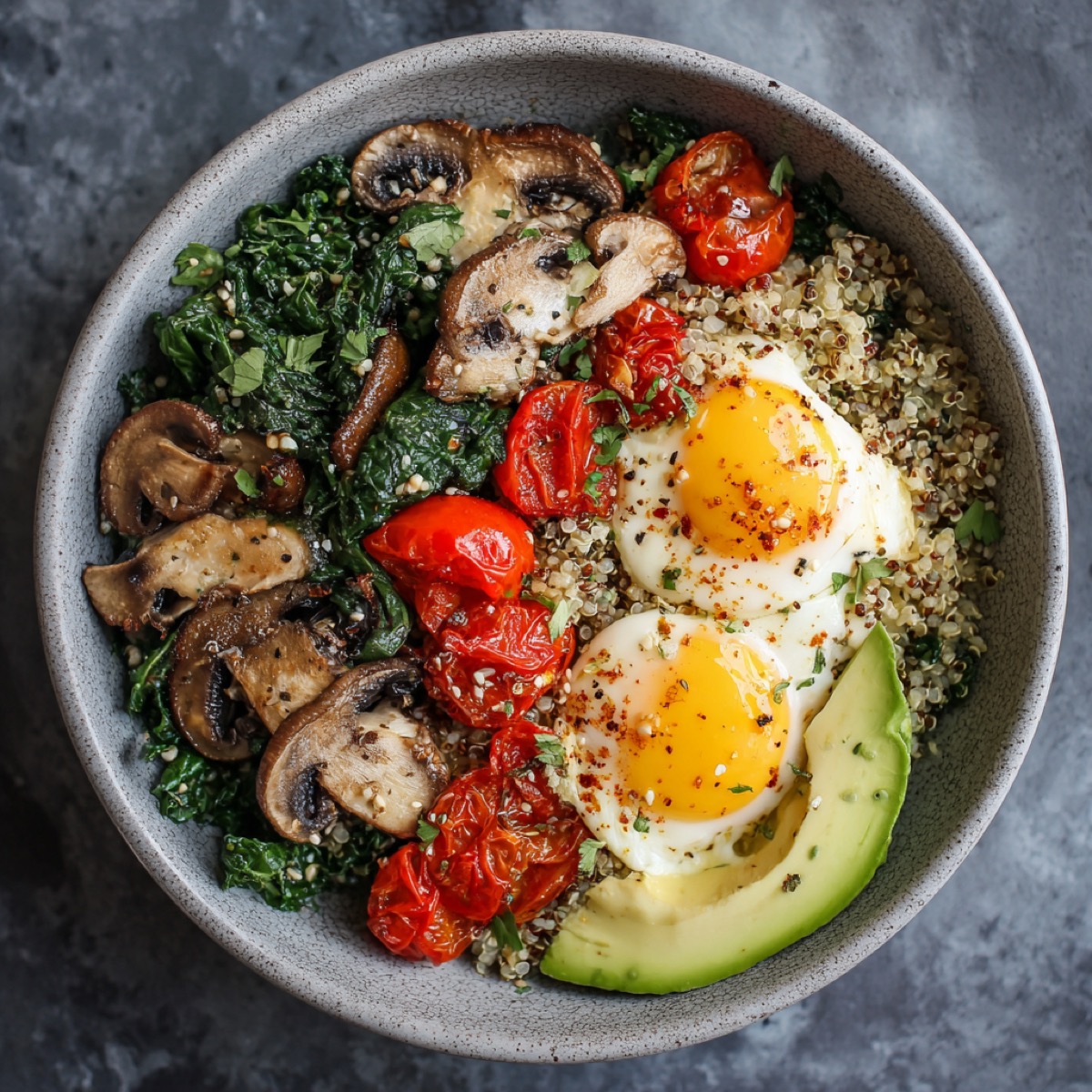
Savoury Greens & Egg Breakfast Skillet
A warm savoury breakfast skillet with eggs, greens, and slow carbohydrates for steady morning energy.
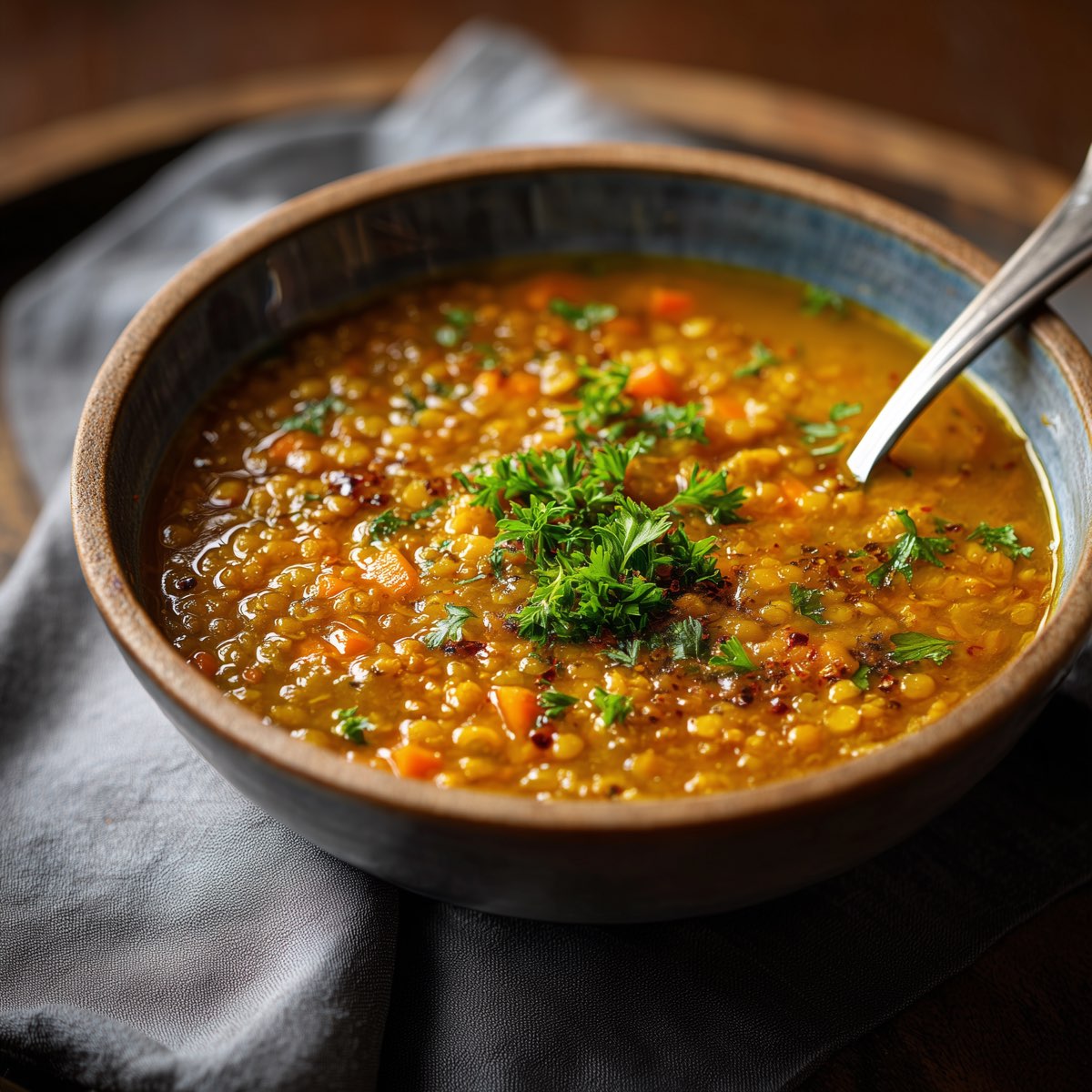
Turmeric Lentil Dahl
Turmeric- and ginger-spiced lentil dish rich in fibre, folate, and polyphenols
References
[1] PubChem (2026). Oxalate and oxalic acid chemical identities. Compound 71081 identifies the dianion; compound 971 identifies its acid.
[2] Heaney et al. (1988). Calcium absorbability from spinach. Human isotope comparison of the tested spinach and milk; food-specific absorption rather than binding alone.
[3] Hejazi et al. (2016). Improvement of the in vitro protein digestibility of amaranth grain through optimization of the malting process. Original abstract confirms grain oxalate and processing response, not human mineral absorption.
[4] Chai and Liebman (2005). Effect of Different Cooking Methods on Vegetable Oxalate Content. Preparation-dependent soluble oxalate loss; no uniform food-specific percentage or human absorption benefit inferred.