Acetic acid
Overview
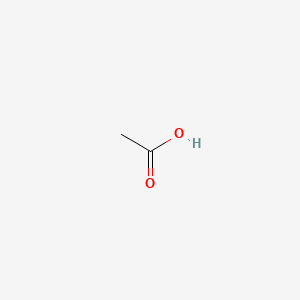
Acetic acid (ethanoic acid) is the characteristic acid of vinegar. The structure image is the neutral acid, InChIKey QTBSBXVTEAMEQO-UHFFFAOYSA-N. Acetate is the conjugate base recorded as a microbial fermentation metabolite. A vinegar meal is not that colonic metabolite, and faecal acetate measurements are not vinegar exposure.
The admitted BRS6 practice is vinegar with the studied starchy meal. In healthy volunteers, vinegar with a macronutrient-matched bread meal lowered the glycaemic and insulin indices and the paracetamol emptying-marker response. The marker is indirect. Meal-glucose appearance was not measured [1]. Further emptying delay in diabetic gastroparesis may be disadvantageous [2].
Dietary Context
Food sources
Direct food records are vinegar and vinegar pickles. Cider vinegar is identified by acetic acid. FDA labeling guidance says this vinegar should contain 4 g acetic acid per 100 mL at 20 °C, and that no vinegar standard of identity has been set under the FD&C Act. That figure is not a measured amount for the USDA cider-vinegar record, so the food page does not store it as a per-100 g value [3].
Vinegar pickles carry acetic acid from the vinegar brine. The USDA dill-pickle record does not report how much acetic acid is in the edible portion. Portion size and whether the brine is eaten change exposure [3].
Supplement versus food
The gastric-delivery evidence is vinegar taken with a starchy meal, not an acetic acid capsule or a measured acid dose separated from the vinegar [1,2]. Containing acetic acid does not mean a pickle portion reproduces that meal comparison.
Research Spotlights & Evidence Checks
Foods
2 foods

Vinegar
Apple cider vinegar for glucose regulation and bean soaking pH optimization

Vinegar Pickles
Acid preservation in vinegar brine — acetic acid exposure, shelf stability, and distinct biology from lacto-fermented vegetables
Recipes
1 recipe containing this substance

Turkey Wing Stew
A collagen-rich, glycine-heavy slow-cooked stew made from affordable turkey wings — rich in protein, tryptophan, and B vitamins.
Biological Regulatory Systems
| Biological Regulatory System | Evidence-qualified relationship | Evidence |
|---|---|---|
| Metabolic & Neuroendocrine Regulation (BRS6) | Vinegar with the studied starchy meal has a supported, context-dependent gastric-delivery link. The exposure is vinegar, not isolated acetic acid. | [1,2] |
References
[1] Liljeberg and Björck (1998). Delayed gastric emptying rate may explain improved glycaemia in healthy subjects to a starchy meal with added vinegar. Vinegar with a matched bread meal lowered glycaemic and insulin indices and the paracetamol emptying marker. Appearance flux was not measured.
[2] Hlebowicz et al. (2007). Effect of apple cider vinegar on delayed gastric emptying in patients with type 1 diabetes mellitus: a pilot study. Further emptying delay in diabetic gastroparesis. This bounds the practice rather than supporting it for that group.
[3] U.S. Food and Drug Administration (1995). CPG Sec 525.825 Vinegar, Definitions - Adulteration with Vinegar Eels. Labeling guidance that cider vinegar should contain 4 g acetic acid per 100 mL. Not a measured USDA food quantity.