Phytate
Overview
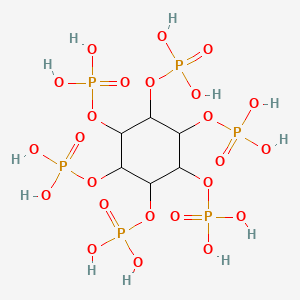
Phytic acid is myo-inositol hexakisphosphate (InsP6): an inositol ring bearing six phosphate groups. Its protonated reference formula is C6H18O24P6. “Phytate” describes deprotonated and salt forms; the structure image represents the acid reference, not every mineral salt. Lower inositol phosphates and free myo-inositol are distinct substances. The search aliases on this page do not make their measured masses interchangeable [1].
The phosphate groups can bind mineral ions. Binding chemistry is not itself a measurement of human absorption: meal composition, mineral form, phytate content and processing matter. Human cereal-porridge experiments found improved iron absorption after phytase treatment in responsive matrices, with exceptions; this does not establish universal mineral depletion or a reason to avoid all phytate-containing foods [2].
Dietary Context
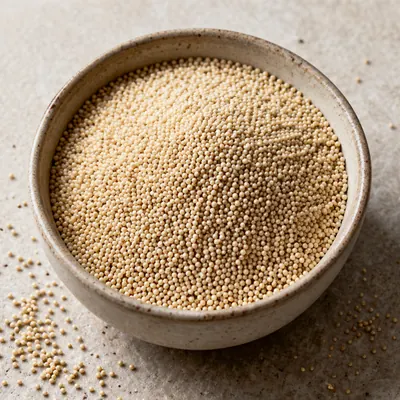
Phytic acid was measured in the amaranth-grain malting study. This supports qualitative occurrence in the studied grain, not a universal per-100-g value. The accessible original abstract reports reductions during germination but does not establish human mineral absorption [3].
Analytical reports may express phytic acid, phytate phosphorus or a particular salt; these require explicit analyte and mass-basis reconciliation before comparison. Processing reductions are protocol-specific. Phytase hydrolysis changes the inositol-phosphate distribution; household soaking cannot be assumed to reproduce a validated enzymatic process [2].
The existing Functional Property Phytate content describes this constituent's presence. It is not a dietary admission or proof of benefit. The existing cereal-dephytinisation context in dopaminergic signalling concerns upstream iron provision, not phytate as an admitted dopamine-supporting input. No new substance-to-PM support relationship is asserted here.
Foods
1 food
Amaranth
Comparatively lysine-rich pseudograin providing protein, magnesium and iron
Recipes
References
[1] PubChem (2026). Phytic acid, compound 890. Chemical reference identity; acid, ion and salt forms require distinction.
[2] Hurrell et al. (2003). Degradation of Phytic Acid in Cereal Porridges Improves Iron Absorption by Human Subjects. Human absorption evidence for specified phytase-treated cereal matrices, not all foods or minerals.
[3] Hejazi et al. (2016). Improvement of the in vitro protein digestibility of amaranth grain through optimization of the malting process. Qualitative grain occurrence and processing evidence; original abstract verified, full analytical methods not retrieved.