Chicken Liver

Overview
Chicken liver is poultry offal. Raw liver supplies vitamin A (3,296 µg RAE per 100 g, nearly all of it retinol), vitamin B12 (16.6 µg), folate (588 µg), vitamin B2 (1.8 mg), iron (9 mg) and choline (194.4 mg) [1].
One raw liver weighs 44 g and supplies about 1,450 µg of this vitamin A [1].
Other Nutritional Highlights
Chicken liver supplies preformed vitamin A, which is retinol and retinyl esters. Beta-carotene from plants is the vitamin A form the body converts into retinol. That conversion is not the reason to limit liver [2].
Preformed retinol is stored. The adult upper level is 3,000 µg a day, and it applies to retinol and retinyl esters from animal foods and supplements. It does not apply to beta-carotene [2]. Raw chicken liver provides 3,296 µg vitamin A per 100 g, so a 100 g portion is already above that daily upper level. One 44 g liver, about 1,450 µg, is below it [1,2].
For liver as a food group, UK guidance is to eat liver or liver products no more than once a week, to avoid them in pregnancy, and not to combine a weekly liver meal with a vitamin A supplement [3].
Food Context
Preparation
- Use it fresh and cook it through. Liver is perishable.
Essential Amino Acid Profile
Protein profile: Complete essential amino acid profile.
Recipes
Nutrient Tables (per 100 g)
Selected food and preparation: Chicken, liver, all classes, raw. per 100 g edible portion.
Core nutrients
| Nutrient | Amount per 100 g | % reference intake per 100 g |
|---|---|---|
| Energy | 119 kcal | — |
| Protein | 16.9 g | — |
| Total fat | 4.8 g | — |
| Saturated fat | 1.6 g | — |
| Carbohydrates | 0.7 g | — |
Key vitamins and minerals
Vitamins and minerals supplying at least 10% of an adult reference intake per 100 g, derived from the composition panel.
| Nutrient | Amount per 100 g | % reference intake per 100 g |
|---|---|---|
| Iron | 9 mg | 49.9% |
| Zinc | 2.7 mg | 24.3% |
| Phosphorus | 297 mg | 42.4% |
| Manganese | 0.3 mg | 11.1% |
| Selenium | 54.6 µg | 99.3% |
| Copper | 0.5 mg | 54.7% |
| Choline | 194.4 mg | 35.3% |
| Folate | 588 µg | 147% |
| Vitamin B12 | 16.6 µg | 690.8% |
| Vitamin B6 | 0.9 mg | 65.6% |
| Vitamin B2 | 1.8 mg | 136.8% |
| Vitamin B1 | 0.3 mg | 25.4% |
| Vitamin B3 | 9.7 mg | 60.8% |
| Vitamin B5 | 6.2 mg | 124.7% |
| Vitamin C | 17.9 mg | 19.9% |
| Vitamin A | 3296 µg | 366.2% |
Full vitamins and minerals
Amounts apply to the preparation named above. Only amounts meeting 10% of the adult reference intake are highlighted in the summary. A dash means no RI percentage is available.
| Nutrient | Amount per 100 g or stated basis | % reference intake |
|---|---|---|
| Iron | 9 mg | 49.9% |
| Zinc | 2.7 mg | 24.3% |
| Magnesium | 19 mg | 4.5% |
| Phosphorus | 297 mg | 42.4% |
| Manganese | 0.3 mg | 11.1% |
| Selenium | 54.6 µg | 99.3% |
| Calcium | 8 mg | 0.8% |
| Potassium | 230 mg | 6.8% |
| Copper | 0.5 mg | 54.7% |
| Sodium | 71 mg | — |
| Choline | 194.4 mg | 35.3% |
| Folate | 588 µg | 147% |
| Vitamin B12 | 16.6 µg | 690.8% |
| Vitamin B6 | 0.9 mg | 65.6% |
| Vitamin B2 | 1.8 mg | 136.8% |
| Vitamin B1 | 0.3 mg | 25.4% |
| Vitamin B3 | 9.7 mg | 60.8% |
| Vitamin B5 | 6.2 mg | 124.7% |
| Vitamin C | 17.9 mg | 19.9% |
| Vitamin A | 3296 µg | 366.2% |
| Vitamin E | 0.7 mg | 4.7% |
Bioactive compounds
| Compound / class | Amount per 100 g | Notes |
|---|---|---|
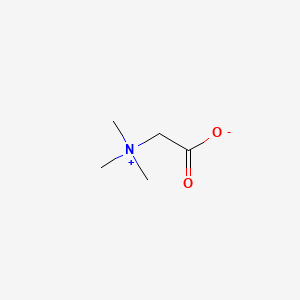
| Betaine | 21 mg per 100 g edible portion (measured) | — |
- Betaine: Pan-fried chicken liver. The main nutrient panel describes raw chicken liver.
Technical provenance
Betaine: Pan-fried chicken liver, NDB 05661, printed page 15. The USDA confidence code concerns total choline.
Substances
7 substances in this food
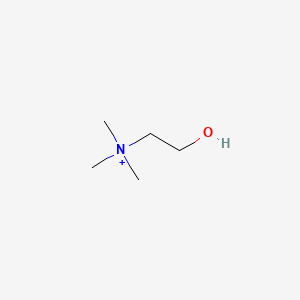
Choline
USDA FoodData Central reports 194.4 mg choline per 100 g in Chicken, liver, all classes, raw (FDC 171060).
Iron
USDA FoodData Central reports 8.99 mg iron per 100 g in Chicken, liver, all classes, raw (FDC 171060).
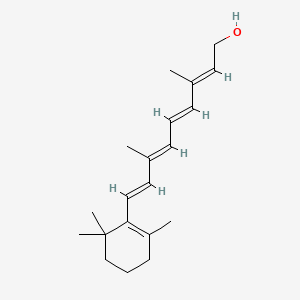
Vitamin A (Retinoids; β-Carotene precursor)
USDA FoodData Central reports 3,296 µg RAE vitamin A per 100 g in Chicken, liver, all classes, raw (FDC 171060), of which 3,290 µg is retinol and 56 µg is beta-carotene.
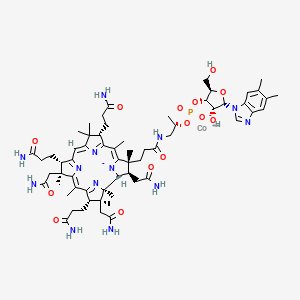
Vitamin B12 (Cobalamin)
USDA FoodData Central reports 16.58 µg vitamin B12 per 100 g in Chicken, liver, all classes, raw (FDC 171060).
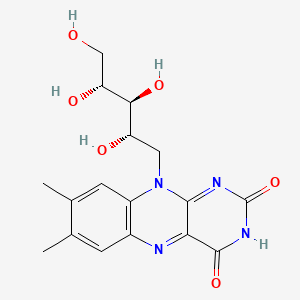
Vitamin B2 (Riboflavin)
USDA FoodData Central reports 1.778 mg riboflavin per 100 g in Chicken, liver, all classes, raw (FDC 171060).
Vitamin B9 (Folate)
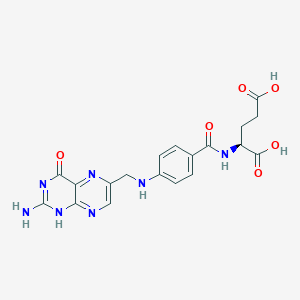
USDA FoodData Central reports 588 µg folate per 100 g in Chicken, liver, all classes, raw (FDC 171060). The recorded analyte is folate.
Betaine
Trimethylglycine in beets, spinach, wheat germ and quinoa; methyl donor for BHMT, with brain effects not yet established.
References
[1] USDA Agricultural Research Service (2019). Chicken, liver, all classes, raw. FoodData Central SR Legacy record for raw chicken liver (FDC 171060), including 3,296 µg RAE vitamin A per 100 g (3,290 µg retinol) and a 44 g portion for one liver.
[2] National Institutes of Health Office of Dietary Supplements (2025). Vitamin A and Carotenoids: Health Professional Fact Sheet. Provitamin A carotenoids are converted into retinol. Animal foods, including organ meats, supply preformed retinol and retinyl esters. The adult upper level is 3,000 µg RAE per day and applies to that preformed vitamin A, not to beta-carotene.
[3] NHS (2020). Vitamin A. Food-group page, last reviewed 3 August 2020. It treats liver and liver products as a particularly rich retinol source, sets a once-a-week limit, advises avoidance in pregnancy, and describes beta-carotene from plants separately as a form the body can convert into retinol.
Food composition → admitted dietary relationships
These links join food composition to existing PM admissions. They do not establish that a portion reproduces an intervention, delivers an intact cofactor to tissue, or improves a clinical outcome. Derived supply retains its conversion and delivery limits.
- Iron → BRS1-FM1-PM3 · Type A / direct
Food form & relationship limits
Human intake-to-dopamine responsiveness and clinical benefit were not established; the direct dopamine-metabolite evidence assessed here is preclinical deficiency evidence.
Chicken, liver, all classes, raw; raw.
- Vitamin B2 → BRS1-FM1-PM3 · Type A / derived
Food form & relationship limits
Rat enzyme capacity, not measured human neurotransmitter clearance, synaptic output or benefit above adequacy. No conclusion about which flavin analogue is effective is taken from the internally inconsistent abstract. The same experiment is shared across the three monoamine PMs, not independent replication.
Chicken, liver, all classes, raw; raw.
- Iron → BRS1-FM1-PM4 · direct
Food form & relationship limits
Human intake-to-noradrenaline responsiveness and clinical benefit were not established; the cited dopamine-metabolite and developmental evidence is not a noradrenaline-dosing trial.
Chicken, liver, all classes, raw; raw.
- Vitamin B2 → BRS1-FM1-PM4 · Type A / derived
Food form & relationship limits
Rat enzyme capacity, not measured human neurotransmitter clearance, synaptic output or benefit above adequacy. No conclusion about which flavin analogue is effective is taken from the internally inconsistent abstract. The same experiment is shared across the three monoamine PMs, not independent replication.
Chicken, liver, all classes, raw; raw.
- Iron → BRS1-FM1-PM5 · Type A / direct
Food form & relationship limits
Iron is required by the hydroxylase. That is not evidence that extra dietary iron raises brain serotonin when iron status is adequate.
Chicken, liver, all classes, raw; raw.
- Vitamin B2 → BRS1-FM1-PM5 · Type A / derived
Food form & relationship limits
Rat enzyme capacity, not measured human neurotransmitter clearance, synaptic output or benefit above adequacy. No conclusion about which flavin analogue is effective is taken from the internally inconsistent abstract. The same experiment is shared across the three monoamine PMs, not independent replication.
Chicken, liver, all classes, raw; raw.
- Choline → BRS1-FM2-PM6 · Type A / direct
Food form & relationship limits
Choline is required and diet supplies it, but additional intake has not been shown here to raise acetylcholine synthesis in the human brain or improve attention.
Chicken, liver, all classes, raw; raw.
- Choline → BRS1-FM5-PM12 · Type A / direct
Food form & relationship limits
This is membrane-precursor provision through the Kennedy route. Choline was not isolated in the gerbil spine experiment; no increased human synapse number or benefit from extra intake is established.
Chicken, liver, all classes, raw; raw.
- Vitamin B9 (folate) → BRS2-FM1-PM1 · Type A / derived
Food form & relationship limits
This conversion pathway does not show that increasing folate intake increases tissue remethylation flux. Folic acid lowers blood homocysteine, which is a circulating marker.
Chicken, liver, all classes, raw; raw.
- Vitamin B12 (cobalamin) → BRS2-FM1-PM1 · Type A / derived
Food form & relationship limits
Provision of vitamin B12 does not show that increasing intake raises tissue remethylation flux. Added vitamin B12 further lowered blood homocysteine beyond folic acid in pooled trials, which remains a circulating marker.
Chicken, liver, all classes, raw; raw.
- Vitamin B2 → BRS2-FM1-PM1 · Type A / derived
Food form & relationship limits
Foundational human-enzyme cofactor provenance supports capacity; it is not a measurement of dietary riboflavin-induced remethylation flux, brain methylation or benefit above adequacy. FMN is also required; FAD is the endpoint of the displayed activation chain, not its sole functional cofactor.
Chicken, liver, all classes, raw; raw.
- Choline → BRS2-FM1-PM2 · Type A / derived
Food form & relationship limits
Choline oxidation can supply betaine, but increasing choline intake has not been shown to increase tissue BHMT flux. Human evidence is an eight-man depletion pilot, with the challenge response in four clinically depleted participants; tissue BHMT flux was not measured. Rat donor rescue and specific inhibition support the chain. This does not establish ordinary-diet limitation, response in every tissue or benefit above adequacy. Folate’s indirect constraint on BHMT remains unresolved.
Chicken, liver, all classes, raw; raw.
- Vitamin B9 (folate) → BRS2-FM1-PM4 · Type A / direct
Food form & relationship limits
Folic acid can lower blood homocysteine concentration. That concentration change is not a measured change in remethylation or transsulfuration rate.
Chicken, liver, all classes, raw; raw.
- Vitamin B12 (cobalamin) → BRS2-FM1-PM4 · Type A / direct
Food form & relationship limits
Added vitamin B12 can lower blood homocysteine further after folic acid. That is a concentration result, not a measured cycle-rate response.
Chicken, liver, all classes, raw; raw.
- Vitamin B2 (riboflavin) → BRS2-FM1-PM4 · Type A / direct
Food form & relationship limits
Riboflavin supports formation of the methyl donor. It is not the cofactor at the methionine-synthase catalytic site, and it has not been shown to change human cycle rates.
Chicken, liver, all classes, raw; raw.
- Choline → BRS2-FM3-PM7 · Type A / direct
Food form & relationship limits
Plasma tracing does not measure absolute hepatic flux, intermediary SAM, ordinary-food equivalence or benefit.
Chicken, liver, all classes, raw; raw.
- Iron → BRS3-FM2-PM4 · Type A / direct
Food form & relationship limits
Rat diet and tissue context; the kidney result is not a uniform response across organs or a human intake threshold. Human catalase haem identity supports capacity, not benefit from extra iron. Iron can also promote non-enzymatic oxidation; higher catalase activity is not a clinical benefit.
Chicken, liver, all classes, raw; raw.
- Vitamin B2 → BRS3-FM2-PM6 · Type A / derived
Food form & relationship limits
Human red-cell enzyme evidence supports flavin-dependent capacity. It does not establish neuronal or whole-body recycling flux, benefit above adequacy, or equivalence between an ordinary food and a 5 mg/day supplement.
Chicken, liver, all classes, raw; raw.
- Iron → BRS4-FM1-PM1 · Type A / direct
Food form & relationship limits
This identifies iron centres in the chain. It does not show that eating more iron, once iron status is adequate, raises electron transport.
Chicken, liver, all classes, raw; raw.
- Vitamin B2 (riboflavin) → BRS4-FM1-PM1 · Type A / derived
Food form & relationship limits
The review does not show that eating more riboflavin, once flavin mononucleotide (FMN) is adequate, raises electron transport. Riboflavin-responsive complex I disease is a separate clinical context.
Chicken, liver, all classes, raw; raw.
- Vitamin B2 → BRS4-FM1-PM10 · Type A / derived
Food form & relationship limits
Capacity admission only: no CoQ-specific intake target, rate limitation under adequate nutrition, increased synthesis from extra intake, mitochondrial delivery or clinical benefit is established.
Chicken, liver, all classes, raw; raw.
- Iron → BRS4-FM1-PM10 · Type A / direct
Food form & relationship limits
Capacity admission only: no CoQ-specific intake target, rate limitation under adequate nutrition, increased synthesis from extra intake, mitochondrial delivery or clinical benefit is established.
Chicken, liver, all classes, raw; raw.
- Vitamin A → BRS5-FM1-PM1 · Type A / derived
Food form & relationship limits
Conversion and response depend on vitamin A form, status, absorption, and host context; supplementation evidence is not a general dose-response claim for PM1.
Chicken, liver, all classes, raw; raw.